
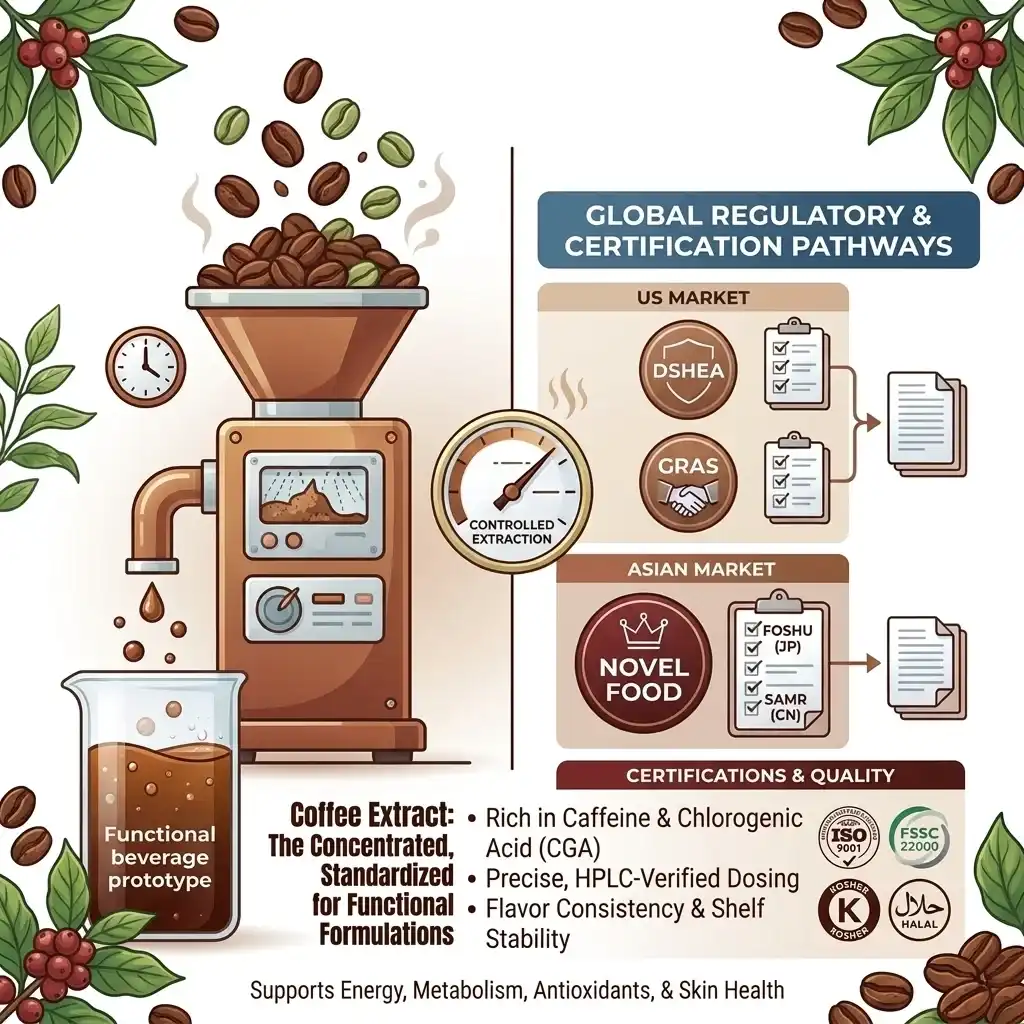
What Advantages Does Coffee Extract Offer for Developing Premium Beverage and Food Products?
This article provides a structured guide to Coffee Extract as a concentrated, standardized ingredient for functional beverages, nutraceuticals, and premium food and cosmetic applications. Derived from Coffea arabica or Robusta beans through controlled extraction, it delivers two key actives—caffeine and chlorogenic acid (CGA)—in precise, HPLC-verified amounts. The article explains what distinguishes coffee extract from instant coffee powder and green coffee bean extract, then details its advantages in beverage development, including flavor consistency at scale, precise caffeine dosing, application breadth, and 12–24 month shelf stability. It also covers regulatory alignment across US, EU, and Asian markets, and its role in baked goods, confectionery, weight-management and antioxidant nutraceuticals, and topical cosmetic formulations targeting cellulite, puffiness, and skin firmness. A procurement section outlines certification requirements (ISO9001, FSSC22000, Kosher, Halal), supplier infrastructure evaluation, analytical testing capability, documentation packages, and lead time considerations. Best practices for storage, formulation balancing, and QA integration are also provided, along with a FAQ covering caffeine standardization levels, clean-label suitability, and minimum order details.VIEW MORE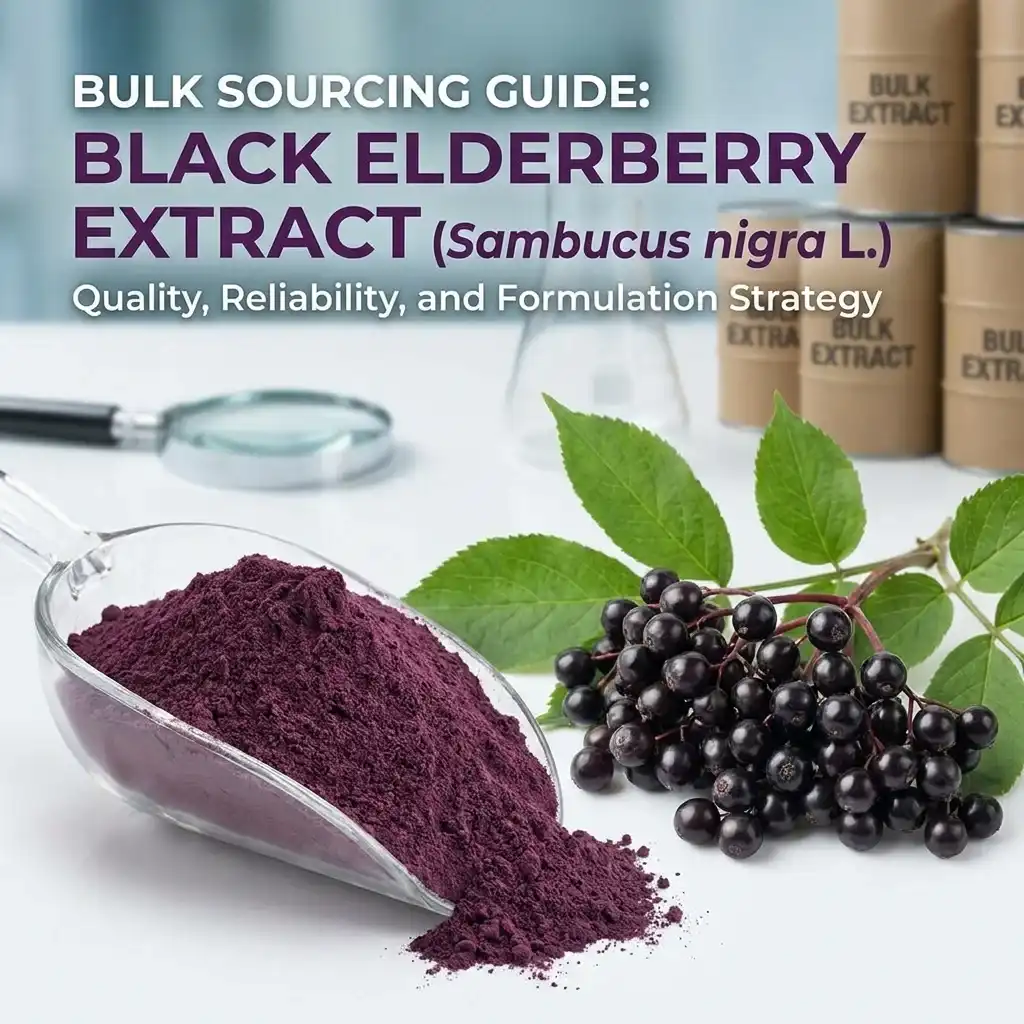
What Should Buyers Check When Sourcing Black Elderberry Extract in Bulk?
VIEW MOREWhen sourcing black elderberry extract in bulk, buyers should evaluate anthocyanin standardization levels, extraction method integrity, supplier certifications (ISO9001, FSSC22000, Kosher, Halal), third-party testing documentation, and supply chain traceability. Verifying COA accuracy, heavy metal compliance, microbial safety, and MOQ flexibility are equally critical. Procurement professionals must also assess a supplier's botanical sourcing practices, manufacturing capacity, and regulatory support capabilities to ensure consistent quality, regulatory market access, and long-term supply stability across international distribution channels.
Understanding Elderberry Extract and Its Growing Market Demand
Black Elderberry Extract comes from the deep purple fruit of the Sambucus nigra L. plant and is used a lot in nutraceuticals, pharmaceuticals, and functional foods. It has a lot of anthocyanins, especially cyanidin-3-glucoside and cyanidin-3-sambubioside, which are known to have antibacterial and protective properties. A study released in the Journal of International Medical Research (2016) showed that standardized elderberry extract shortened the length of flu by four days on average compared to a placebo. This further supports the scientific validity of using elderberry extract to support the immune system.
Why Extract Form Outperforms Raw Berry Preparations
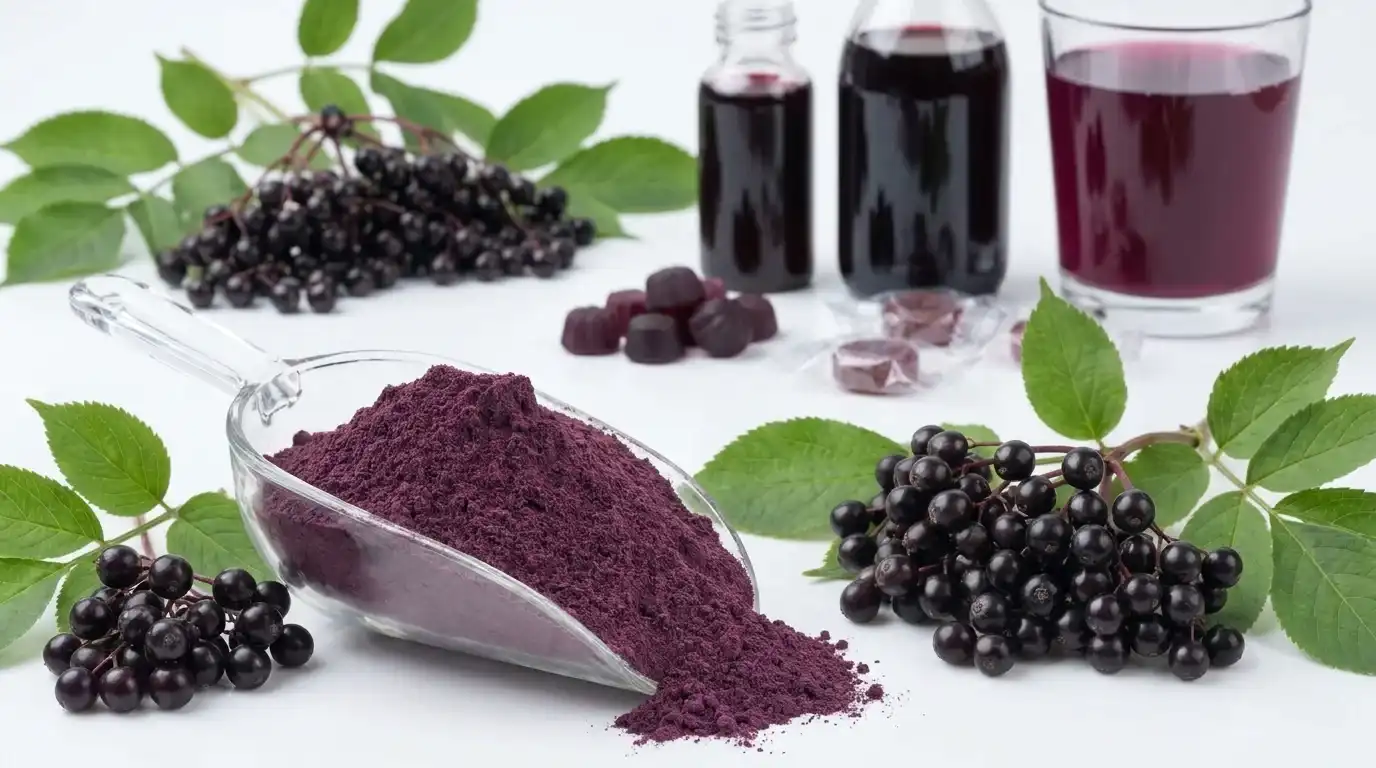
Standardized dry extract powder always works better than raw fruit juice or syrup in professional formulation settings when it comes to strength, shelf life, and accuracy of doses. A fine, deep purple powder that has been standardized to anthocyanins ≥5% via HPLC gives formulators a reliable medicinal window by getting rid of extra sugars and fibers that make encapsulation and pill compression harder. R&D teams can target specific bioactivity thresholds across multiple delivery formats, such as gummies, lozenges, cough syrups, and immune beverages, with products that come in 4:1 or 10:1 ratio extracts or as standardized 5%–15% anthocyanin powders.
The world market for elderberry supplements keeps growing, and after the pandemic, demand is still very high in North America. When it comes to B2B procurement, experts who know about these differences between product forms are much better able to choose the right standard for their needs.
Key Quality Parameters Every Bulk Buyer Must Verify
Quality control is a must when buying large amounts of plants. One tampered shipment can throw off production plans, lead to regulatory violations, or hurt a brand's image. The following things should be looked at by buying teams before they issue a purchase order for Black Elderberry Extract.
Here are the main signs of quality that tell the difference between high-end materials and cheap ones:
- Anthocyanin Standardization: Check the anthocyanin level using HPLC. The best material has at least 5% anthocyanins, less than 5% moisture, less than 5% ash, and 95% passage through an 80-mesh screen. These are the specs that directly affect how well it dissolves and how stable the final product is.
- Extraction Method Integrity: High-heat methods damage thermolabile pigments more than cold-press and alcohol extraction methods. Low-temperature vacuum evaporation during concentration stops the pyranium ring from breaking down even more in anthocyanins.
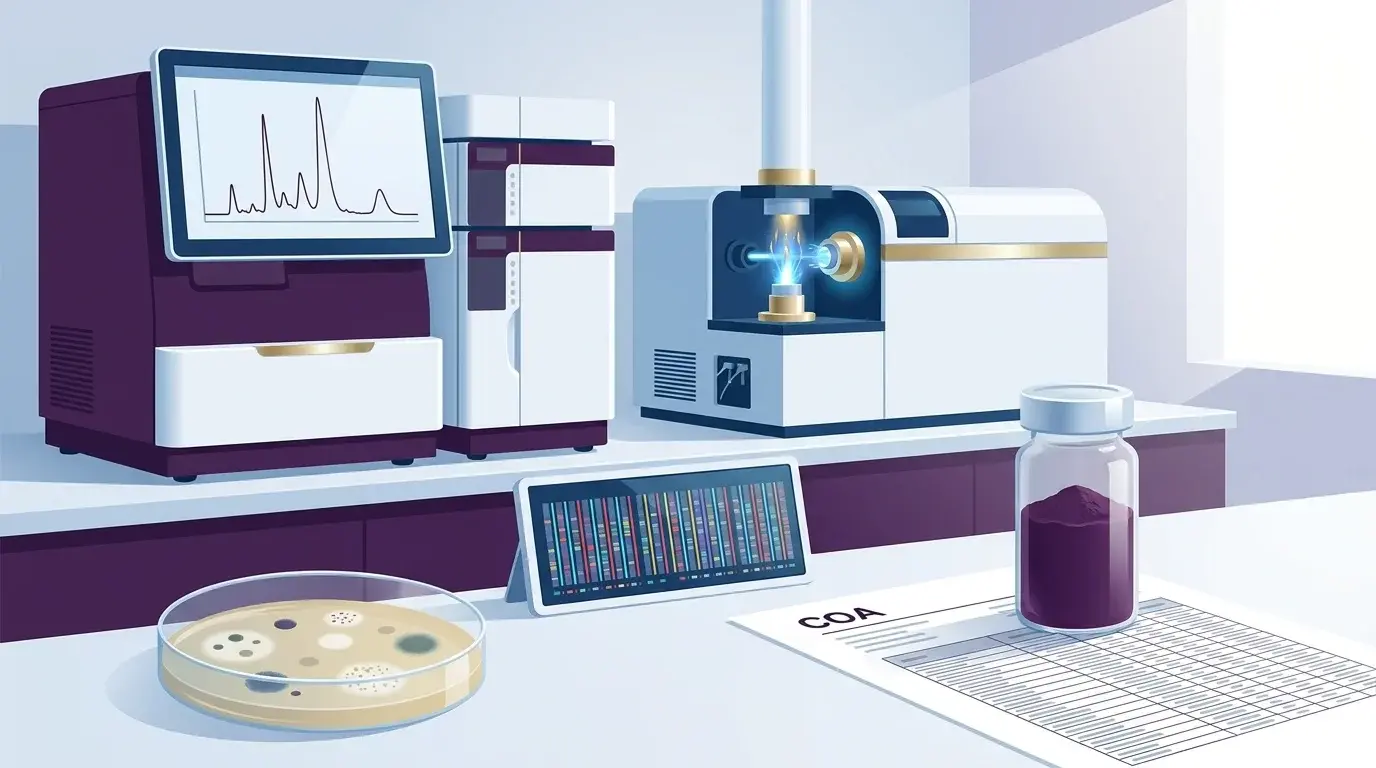
- Adulterant Detection: HPLC-DAD fingerprints and DNA barcoding are needed to tell the real thing from cheaper alternatives like black rice or mulberry extract, which is known to be a source of adulteration in the food market.
- Contaminant Screening: ICP-MS heavy metal tests (Pb, As, Cd, and Hg) must meet the standards set by both California Prop 65 and the EU. Standard requirements include microbial testing for E. coli, Salmonella, and Total Plate Count, as well as pesticide residue panels that cover more than 500 compounds.
- Solvent Residue Compliance: For medicine and food supplement uses, GC testing is needed to make sure that the amount of ethanol is within the limits set by USP <467>.
These checks make sure that the purity of the formulations further down the line is maintained and that each batch provides consistent defensive support. If buyers skip this step, they often don't find problems until after expensive production runs.
How to Evaluate Supplier Credibility and Manufacturing Capability
It takes more than looking through a product list to find a reputable Black Elderberry Extract maker. A reliable supplier has a manufacturing infrastructure that can be checked, clear quality management, and the technical skills to meet the complex needs of global procurement.
Certifications That Signal Genuine Compliance
ISO9001, FSSC22000, Kosher, and Halal are some of the internationally known standards that show how committed a supplier is to systematic quality management and legal access in multiple markets. Being a GFSI-benchmarked standard, FSSC22000 in particular shows strong food safety management that meets the audit needs of big US store chains and nutraceutical brands.
Vertical Integration as a Supply Stability Indicator
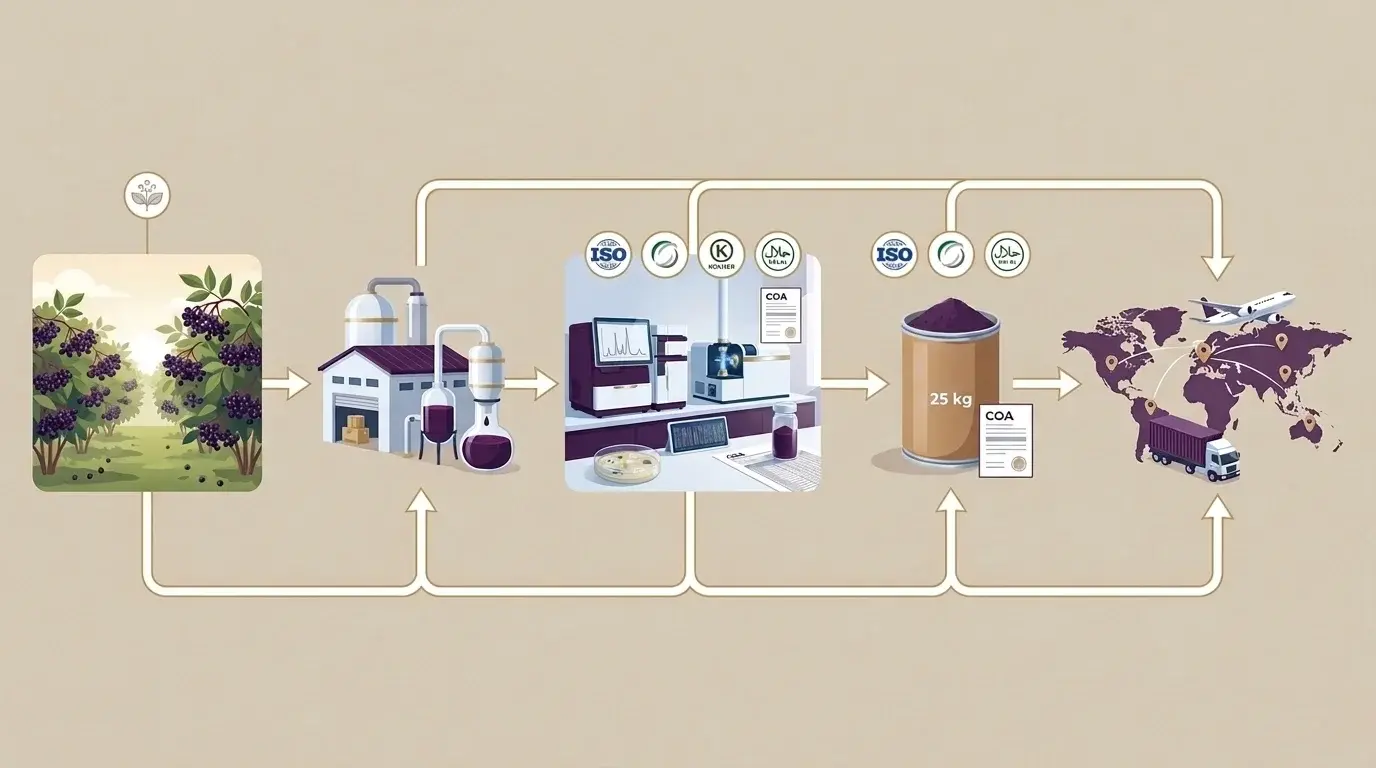
Suppliers who own cultivation bases and run integrated extraction facilities lower the risk and variability of the raw materials in the supply chain. With plantation-to-production tracking, the amount of anthocyanin can be improved during cultivation by choosing the right varieties and knowing when to collect them, instead of having to be fixed later on. This means that COA results will be more consistent across all annual procurement cycles.
Technical Documentation as a Trust Signal
A reliable seller gives you all the necessary paperwork right away, including the COA, MSDS, allergen statements, non-GMO statements, and, if needed, organic licenses. Suppliers that work with controlled markets in North America and Europe also keep regulatory dossiers that help their clients get new products registered faster.
Pricing, MOQ, and Logistics—What Bulk Buyers Need to Know
The price of Black Elderberry Extract powder depends on the level of anthocyanin standardization, the status of the organic certification, and the extract ratio. Higher-specification material, like 15% anthocyanin powder instead of 5%, costs a lot more. This is because it requires more raw materials and more time to analyze them.
Understanding the total cost of buying is more than just knowing the unit price. The buyers should think about the MOQ, the dependability of the wait time, and the packaging design. A standard packing unit of 25 kg/drum with double-layer PE protection is good for manufacturing bulk pharmaceuticals and supplements. It strikes a good balance between keeping the goods safe and making it easy to move them around in the storeroom. With a lead time of 10 days for standard specifications, inventory planning can be done quickly and without having to keep too much safety stock on hand.
Long-term supply contracts and volume-based pricing agreements usually lead to more competitive per-kilogram rates and more flexible scheduling for production. Formulators can test for compatibility and stability without risking any money by asking for a free sample before placing a full order. This is a common practice in the industry, and reputable suppliers are happy to accommodate it.
Matching Product Specifications to Your Formulation Strategy
The choice of where to get your product should be based on its clinical positioning, target regulatory market, and formulation design. A medicinal cough syrup meant for the EU needs a different amount of anthocyanin than an immune support candy that is meant for the US retail market.
Companies that focus on research and development (R&D) find it most helpful when suppliers offer OEM and private label manufacturing services along with Black Elderberry Extract extraction parameters that can be changed. These parameters include particle size specifications, standardization levels, and solubility profiles. This formulation relationship approach speeds up the time it takes to start a product and makes it easier to coordinate with many ingredient suppliers.
Finding the right balance between how much an ingredient costs and how reliable a seller is is the basis of a long-term buying strategy. Before going big, trial orders make sure that each batch is consistent, and long-term partnerships with technically skilled suppliers lower the cost of qualification for future procurement cycles.
Conclusion
To confidently buy bulk Black Elderberry Extract, you need a structured evaluation method that looks at things like analytical quality, supplier trustworthiness, regulatory paperwork, and compatibility with formulations. A good buying choice is based on standardizing anthocyanins, being clear about the extraction method, having a certified production infrastructure, and having flexible supply terms. When buyers put these factors first, they set up their brands so that their products always work well and they can stay competitive in the market.
FAQ
What anthocyanin level should premium black elderberry extract contain?
Premium material is typically standardized to 5%–15% anthocyanins via HPLC. Specifications of ≥5% represent a commercially viable entry point for immune support applications, while 10%–15% is preferred for high-potency pharmaceutical and clinical-grade formulations.
How can buyers confirm botanical authenticity in bulk shipments?
HPLC-DAD fingerprinting combined with DNA barcoding reliably distinguishes authentic Sambucus nigra from common adulterants. Requesting these test reports as part of the COA package is a standard best practice for procurement professionals.
Is sambunigrin a safety concern in professional-grade extract?
Professional extraction processes incorporating heat treatment effectively neutralize sambunigrin, the cyanogenic glycoside naturally present in raw elderberries. Certified suppliers document this neutralization within their safety data sheets.
What storage conditions prevent caking in elderberry powder?
Due to its hygroscopic nature, the powder should be stored in double-layer PE-lined fiber drums at temperatures below 25°C and relative humidity under 60%. Proper storage preserves anthocyanin stability and prevents clumping throughout the shelf life.
Partner With World-way for Certified Elderberry Extract Supply
world-way biotech inc. has served global supplement and pharmaceutical manufacturers since 1992, delivering ISO9001- and FSSC22000-certified ingredients to clients across 60+ countries. As a trusted black elderberry extract supplier, World-way offers free samples, a 10-day lead time, flexible standardization from 5%–15% anthocyanins, and full regulatory documentation support. Reach the procurement team directly at info@world-way.net to request specifications or initiate a sourcing conversation today.
References
1. Zakay-Rones, Z. et al. — Journal of International Medical Research, 2004.
2. Tiralongo, E. et al. — Nutrients, 2016.
3. Hawkins, J. et al. — Complementary Medicine Research, 2019.
4. Kinoshita, E. et al. — Phytochemistry, 2012.
5. United States Pharmacopeia — USP Dietary Supplements Compendium, 2023.
6. European Medicines Agency — Assessment Report on Sambucus nigra L., EMA/HMPC, 2014.
Corn Leaf Extract Expands Botanical Ingredient Options for Functional Food and Beverage Formulations
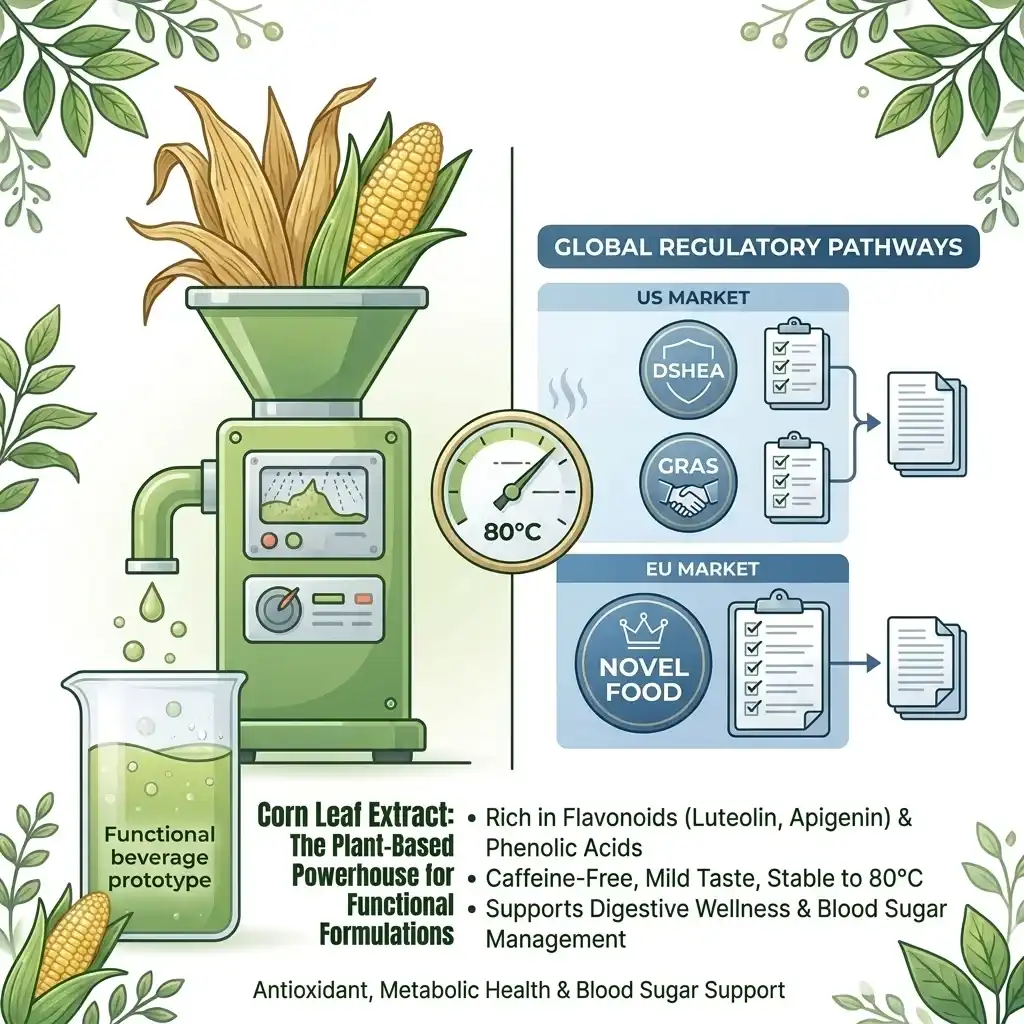
This article provides a structured guide to Corn Leaf Extract (Zea mays L.) as a plant-based ingredient for functional food, beverage, and supplement formulations. Derived from dried corn leaves, the extract contains flavonoids (5–15%), including luteolin and apigenin, alongside phenolic acids such as chlorogenic acid, caffeic acid, and ferulic acid. These compounds support antioxidant activity, metabolic health, and digestive wellness, with peer-reviewed research confirming α-glucosidase inhibition relevant to blood sugar management. The article compares corn leaf extract with corn silk extract and green tea extract, highlighting its milder taste, broader phenolic profile, and caffeine-free positioning. It also covers organic versus conventional certification considerations, quality specifications (greenish-yellow powder, 95% pass 80 mesh, moisture and ash ≤5.0%), supplier evaluation criteria including ISO9001, FSSC22000, Kosher, and Halal certifications, and vertical integration as a supply stability indicator. Formulation guidance addresses dosage (0.1–0.5% by weight in beverages), thermal stability up to 80°C, sensory profile, and regulatory considerations for US and EU markets. OEM and private label capabilities, technical documentation, and free sample availability are also detailed.VIEW MORE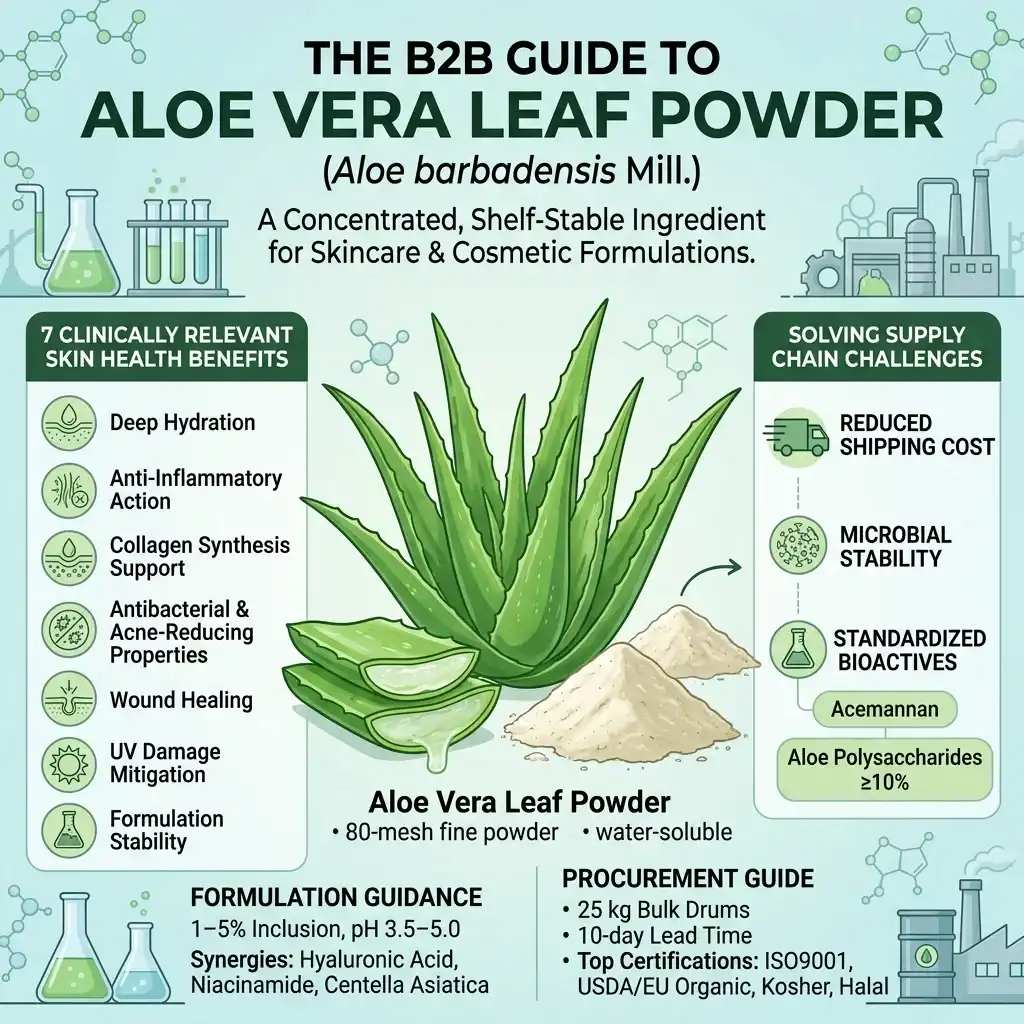
Top Benefits of Aloevera Leaf Powder for Skin Health
This article provides a comprehensive B2B guide to Aloe Vera Leaf Powder (Aloe barbadensis Mill.) as a concentrated, shelf-stable ingredient for skincare and cosmetic formulations. Produced through freeze-drying or spray-drying, the powder delivers a bioactive matrix of acemannan, aloe polysaccharides, vitamins, and antioxidants in a water-soluble, 80-mesh fine powder with polysaccharide content ≥10% (up to 50%). The article explains how the powder format solves key supply chain issues of liquid aloe—shipping cost, microbial instability, and variable bioactive concentration—and compares organic versus conventional grades, as well as inner leaf versus whole leaf powder. It then details seven clinically relevant skin health benefits, including deep hydration, anti-inflammatory action, collagen synthesis support, antibacterial and acne-reducing properties, wound healing, UV damage mitigation, and formulation stability. Formulation guidance covers inclusion rates (1–5% by weight), pH compatibility (3.5–5.0), and synergistic pairings with hyaluronic acid, niacinamide, and centella asiatica. Finally, a procurement guide outlines supplier evaluation criteria, certifications (ISO9001, FSSC22000, Kosher, Halal, USDA/EU Organic), technical documentation (COA, MSDS, non-GMO, allergen statements), and bulk purchasing logistics including 25 kg drum packaging and 10-day lead times.VIEW MORE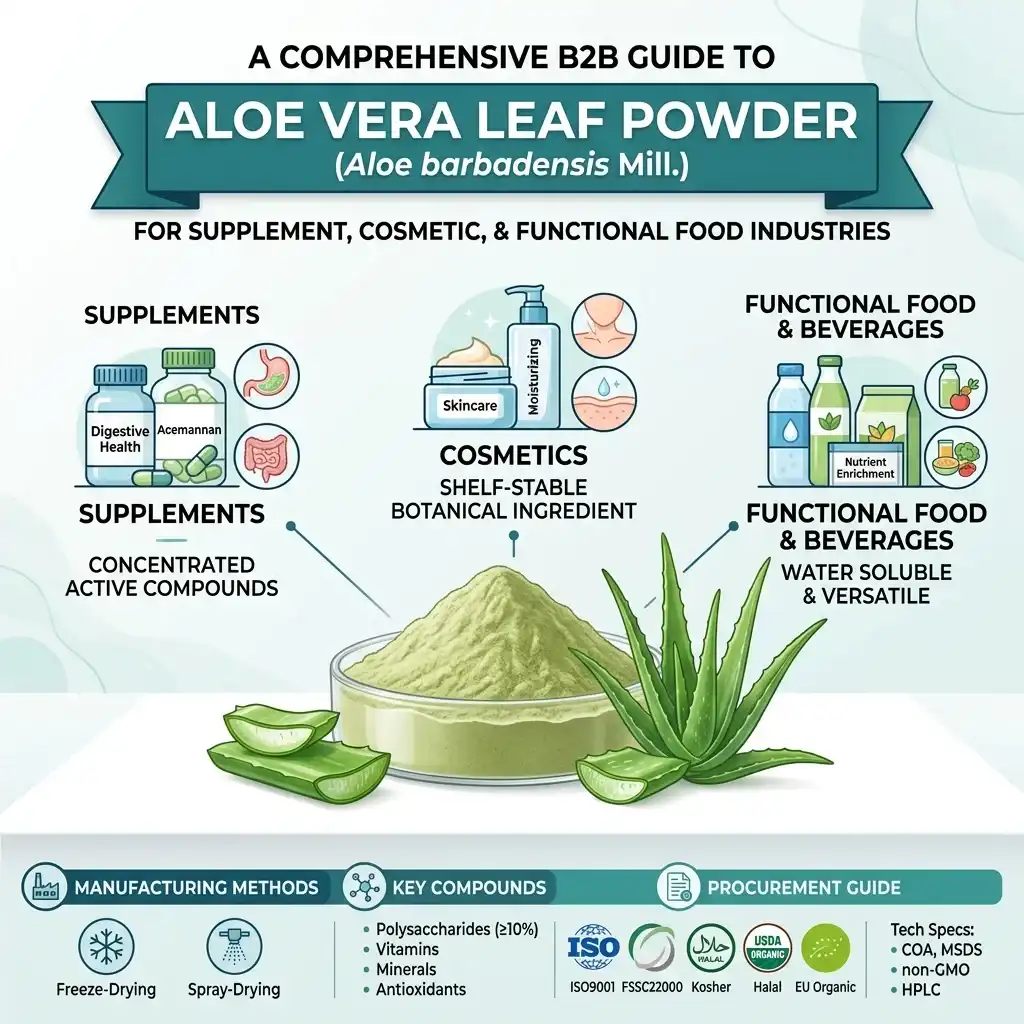
Everything You Need to Know About Aloevera Leaf Powder
This article provides a comprehensive B2B guide to Aloe Vera Leaf Powder (Aloe barbadensis Mill.) as a concentrated, shelf-stable botanical ingredient for the supplement, cosmetic, and functional food industries. Produced through controlled freeze-drying or spray-drying, the powder delivers standardized aloe polysaccharides (≥10%, up to 50%), vitamins, minerals, and antioxidants in a water-soluble, 80-mesh fine powder with ≤5% moisture and ash. The article covers manufacturing methods and their impact on bioactive retention, key nutritional components, and cross-sector applications including digestive health supplements, skincare formulations, and functional food and beverage systems. It also compares Aloe Vera Leaf Powder with liquid gel and juice formats, organic versus conventional grades, and whole leaf versus inner leaf powder, highlighting differences in stability, aloin content, and regulatory compliance. Finally, a procurement guide outlines certification benchmarks (ISO9001, FSSC22000, Kosher, Halal, USDA/EU Organic), technical documentation requirements (COA, MSDS, non-GMO, allergen statements, ICP-MS heavy metal screening, HPLC acemannan verification), supply chain integration, and bulk purchasing strategies including annual contracts, sample validation, packaging alignment, and 10-day lead time planning.VIEW MORE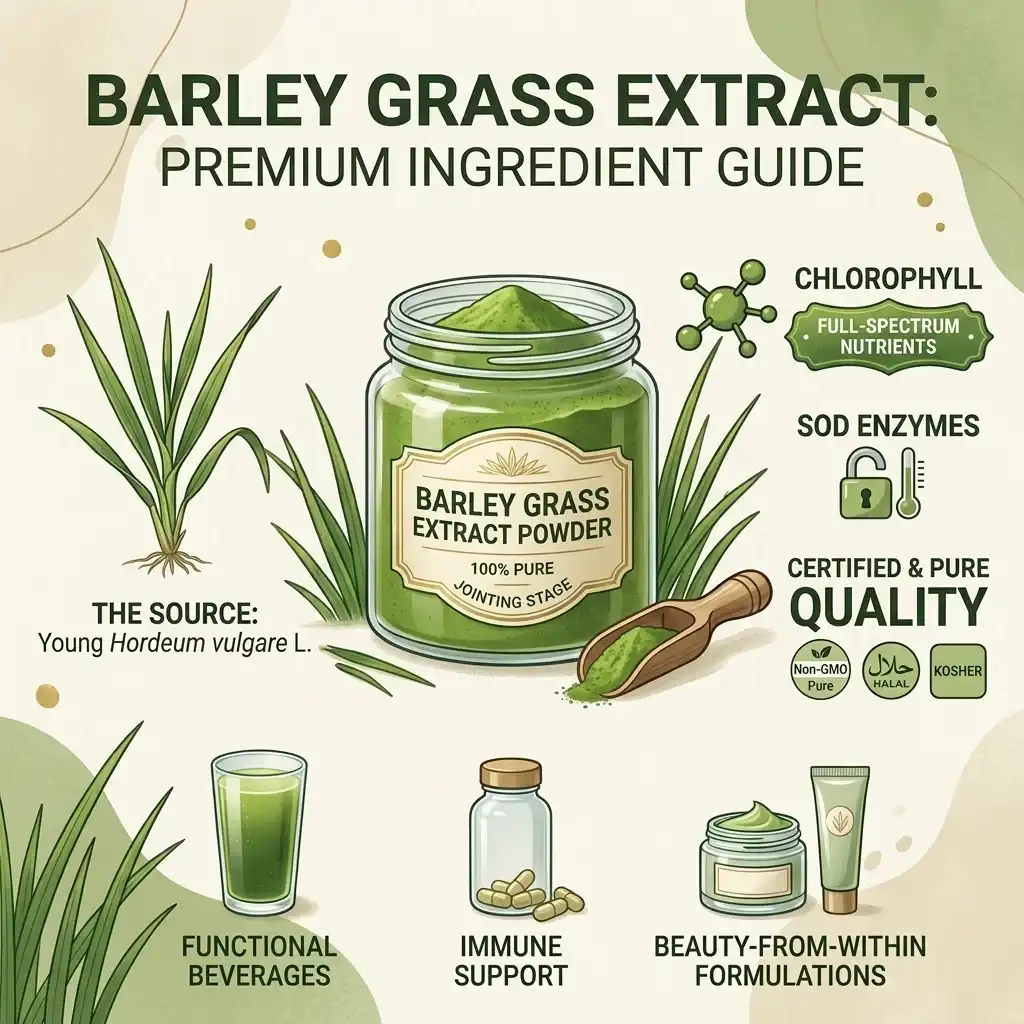
Barley Grass Extract: Benefits, Uses & Types Explained
VIEW MOREBarley grass extract is one of the most nutrient-dense botanical ingredients available to formulators today. Derived from the young leaves of Hordeum vulgare L. harvested at the jointing stage, this concentrated green ingredient delivers a broad spectrum of chlorophyll, SOD enzymes, vitamins, and minerals in a shelf-stable, water-soluble powder. Whether you're developing functional beverages, immune-support capsules, or beauty-from-within formulations, understanding its composition, applications, and sourcing dynamics is essential for making confident procurement decisions.
Understanding Barley Grass Composition & Health Benefits
What Goes Into a High-Quality Extract?
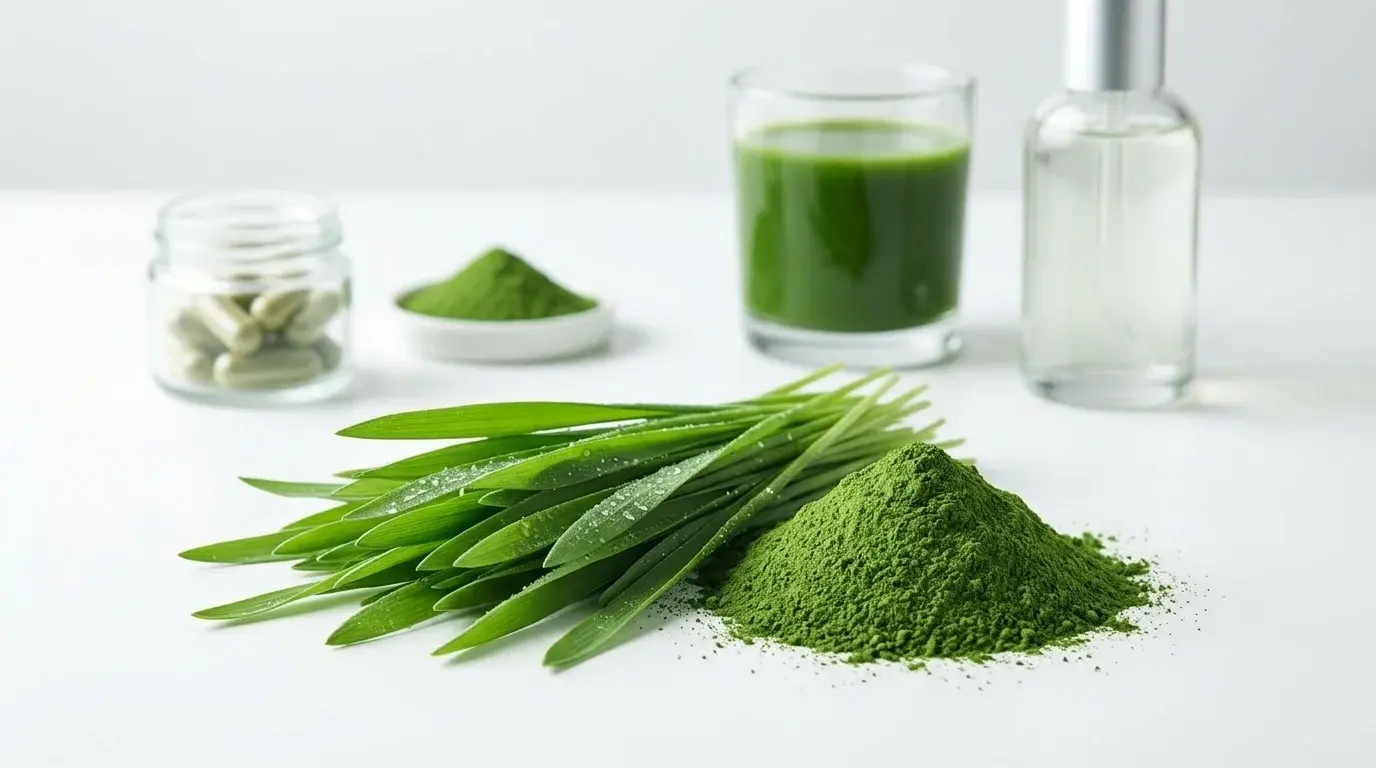
Barley Grass Extract from World-Way is made from fresh barley plants that have been freeze-dried and spray-dried at low temperatures. Standard milling kills bioactives that are sensitive to heat, but this method keeps them. Fine emerald-green powder (95% passes 80 mesh), with less than 5% moisture and less than 5% ash, is what is left over. It is put in 25 kg drums.
Some important bioactive ingredients include:
- Chlorophyll (1%–3%): This is the pigment that gives the extract its bright green color. It also helps the liver work and keeps the acid-base balance in the body.
- Superoxide Dismutase (SOD, >150 units/g): A strong antioxidant enzyme that gets rid of free radicals at the cellular level. This is one of the main benefits of high-end antioxidant products.
- Vitamins A, C, E, and B-complex: Together, these elements help the defense system, keep the skin healthy, and provide energy.
- Minerals — Ca, Fe, Mg, K: These are important structural and electrolyte minerals that keep bones healthy and the heart working well.
- β-glucan: A type of soluble fiber that has been linked to lowering cholesterol and boosting the immune system.
These nutrients don't work by themselves. Flavonoids like saponarin and lutonarin work together with SOD to give the extract its antioxidant and anti-inflammatory properties. According to a study published in the journal Food Chemistry in 2018, saponarin, a flavonoid that is only found in young barley leaves, protects the liver and fights free radicals in a big way.
For people who make health goods, Barley Grass Extract's alkaline profile meets the need for pH-balancing products, which is a growing market segment in the U.S. functional nutrition market.
Comparing Barley Grass Extract With Other Superfood Ingredients
Where Does It Stand Against Wheatgrass, Spirulina, and Chlorella?
Purchasing managers often compare https://www.worldwaybio.com/immune-anti-inflammatory-antioxidant/barley-grass-extracthttps://www.worldwaybio.com/immune-anti-inflammatory-antioxidant/barley-grass-extractto other green ingredients that are on the market. Each has its own profile:
- Wheatgrass and Barley Grass Extract both have about the same amount of chlorophyll, but Barley Grass Extract has much more SOD activity and β-glucan, which makes it a better immunity and antioxidant choice.
- Spirulina is the better choice for uses that need a lot of protein because it has more protein (60–70%) and phycocyanin. Barley Grass Extract is better at alkalizing and has more fiber than spirulina.
- Chlorella is prized for its ability to detoxify because of Chlorella Growth Factor (CGF), but it has a stronger taste that makes it harder to make drinks that taste good.
Barley Grass Extract is the best base ingredient for RTD drinks, meal replacements, and enzyme powder mixes because it dissolves easily and has a mild, slightly sweet taste.
Certified Organic Barley Grass Extract is more expensive than ordinary Barley Grass Extract, but it gives you access to USDA-certified and EU Organic product lines, where claims on the package directly affect your decision to buy. Some of World-Way's goods are certified as FSSC22000, Kosher, or Halal, and all batches are managed according to ISO9001 quality standards.
Barley Grass Extract Applications Across Industries
From Nutraceuticals to Skincare
One of this ingredient's best commercial qualities is that it can be used in many different ways. Here are the main types of applications that are currently driving purchase volume:
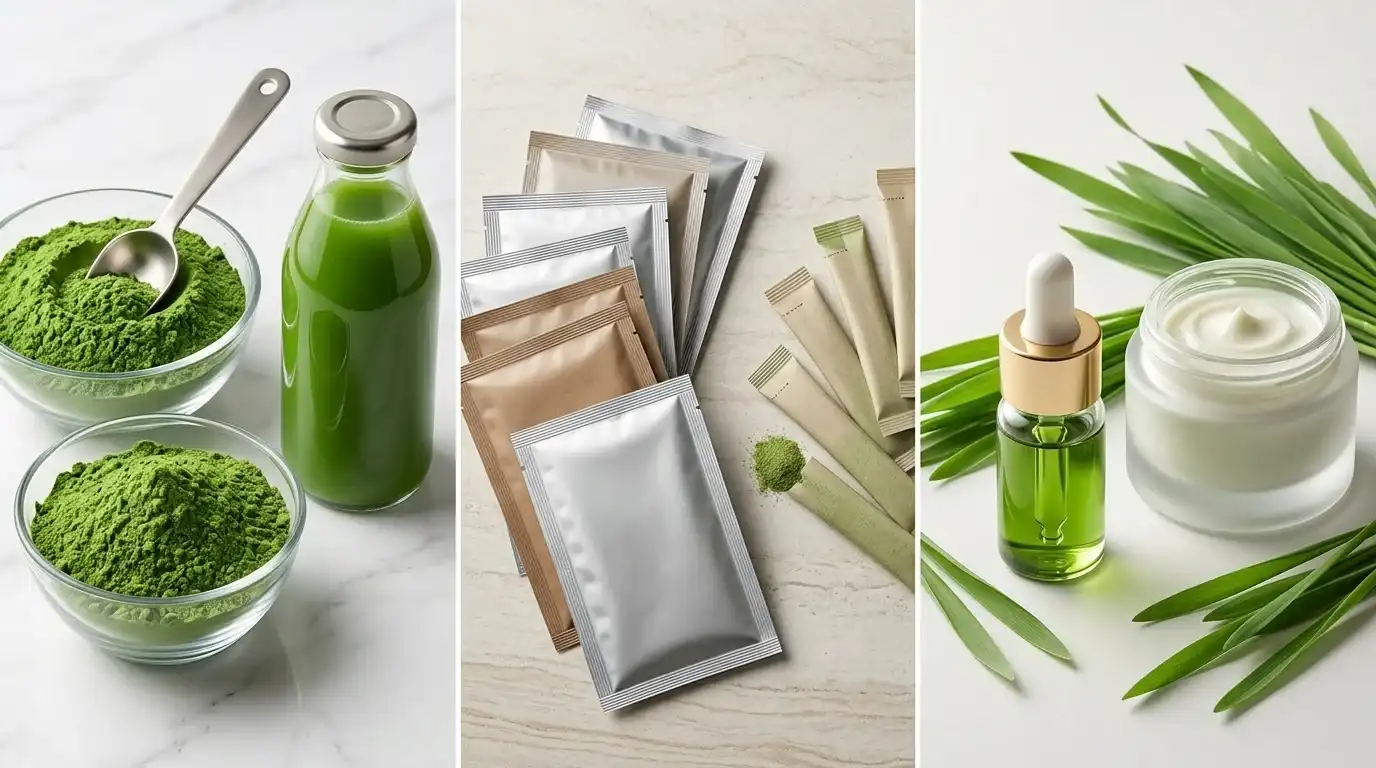
- Solid beverage and RTM blends: The extract dissolves in 95–100% water, which gets rid of the scratchy taste that comes with whole-leaf powders. Along with spirulina and wheatgrass, it mixes easily into green superfood blends.
- Meal replacements and enzyme powders: The extract comes in 10:1 and 50:1 concentrated forms and delivers high levels of phytochemicals in small dosage forms, which lowers the number of capsules needed and makes it easier for customers to follow through.
- Topical cosmeceuticals and oral beauty formulations: The high chlorophyll and SOD content fights oxidative stress pathways that cause skin to age. More and more, "beauty from within" brands use this ingredient in their liquid collagen shots and beauty products that are based on veggies.
- Functional foods and beverages: β-glucan and B-vitamin content backs up claims of digestive health; this is a regulated category that is becoming more popular in the U.S. market.
The extract is also more stable in water solutions with a normal pH, which is important for the shelf life of RTD product lines. SOD activity, on the other hand, is sensitive to heat and breaks down above 60°C. For this reason, goods that claim to have enzymatic activity should only come in cold-fill or powder blending forms.
Purchasing Guide: Sourcing This Ingredient at Scale
What B2B Buyers Should Evaluate
Decisions about where to get ingredients in bulk are based on more than just price per kilogram. A dependable provider must show uniformity in both the standardization of bioactive substances and the regulatory paperwork.
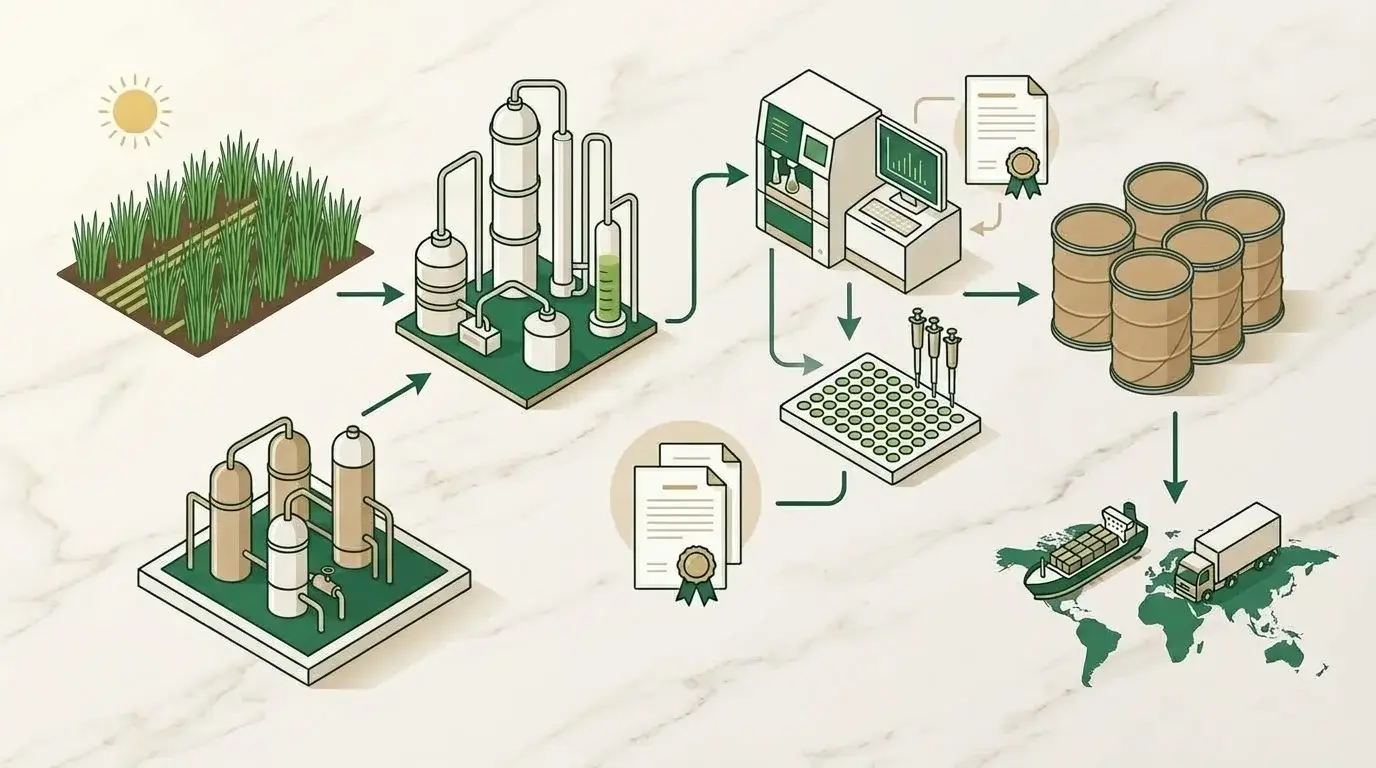
Established in 1992 in Changsha, Hunan, world-way biotech inc. has a fully integrated supply chain that includes its own 67-hectare plantation bases and a 3,000-ton-per-year extraction facility with HPLC-MS, GC-MS, and ICP-MS analytical equipment. When they are in charge of global market compliance, procurement managers and QA leaders need this level of traceability.
When a business-to-business client is looking at Barley Grass Extract suppliers, they should always ask for the following paperwork:
- One Certificate of Analysis (COA) for each lot
- Statement on allergens and MSDS
- Declaration of non-GMO
- ELISA test results (<20 ppm) to confirm gluten status
- Organic certificates that can be used
World-Way's normal packaging is 25 kg/drum, and they offer free samples for trial purposes. The lead time is 10 days. The product has been approved as ISO9001, FSSC22000, Kosher, and Halal, which are the most important standards for U.S., European, and Middle Eastern markets.
Conclusion
In the market for ingredients worldwide, Barley Grass Extract holds a flexible and scientifically sound place. Its well-balanced biological profile includes chlorophyll, SOD, β-glucan, vitamins, and minerals, which makes it useful for a wide range of products, from immune boosters to functional drinks and skin care mixtures. This extract is a good investment for formulators, product developers, and procurement managers who want a standard, multi-certified green ingredient that is easy to get and comes with good technical support. From planting to production, World-Way uses a combined method that makes sure the quality is the same in every batch and every market.
FAQ
Does barley grass extract contain gluten?
Pure extract from the leaf stage, before the grain forms, is theoretically free of gluten. Buyers should ask for ELISA test results (detection limit <20 ppm) for each batch to make sure that there was no cross-contamination during processing or harvesting.
Which extract concentration is right for capsule applications?
The 50:1 compressed form gives you the phytochemicals of a much bigger raw leaf volume in a 500mg capsule. This makes it perfect for high-density detox or antioxidant-support SKUs where the number of pills can make people less likely to follow through.
Will SOD activity survive thermal processing?
Proteins make up SOD, and they break down above 60°C. Enzymes will stop working in foods that need to be pasteurized with heat. It is best to use cold-fill manufacturing or dry blending when SOD claims are part of how the product is positioned.
What is the shelf life of the powder form?
The extract stays stable for 24 months if it is kept below 25°C in containers lined with AL foil and the relative humidity is below 45%. Because it absorbs water, it needs to be stored in a controlled setting.
How does the 10:1 ratio compare to raw powder?
A 10:1 extract takes 10 parts of raw leaf and turns them into 1 part of extract, leaving behind the insoluble cellulose. This makes final formulas easier to mix, more bioavailable, and more consistent in dose.
Partner With World-Way for Premium Barley Grass Extract Supply
World-Way Biotech Inc. is a reliable company that makes Barley Grass Extract for nutrition brands, food companies, and cosmetics companies in more than 60 countries. We can help you start your next product because our production is vertically integrated, we have multi-market certifications, our lead time is 10 days, and we offer free samples. To talk about formulation needs, unique specs, or bulk prices, email our expert team at info@world-way.net.
References
1. Zeng, Y. et al. "Antioxidant and hepatoprotective activities of saponarin from young barley leaves." Food Chemistry, 2018.
2. Paulíčková, I. et al. "Evaluation of barley grass as a functional food component." Czech Journal of Food Sciences, 2007.
3. Ehrenbergerová, J. et al. "Effect of growth conditions on the content of GABA and other amino acids in barley sprouts." Plant Foods for Human Nutrition, 2008.
4. Yu, Y. M. et al. "The flavonoids of the young green barley leaves inhibit production and secretion of interleukin-1β from lipopolysaccharide-stimulated murine macrophages." Journal of Nutritional Biochemistry, 2002.
5. Kanauchi, O. et al. "Modulation of intestinal environment by long-term administration of germinated barley foodstuff." International Journal of Molecular Medicine, 2003.
6. Kamiya, T. et al. "SOD-like activity of barley grass extract on oxidative stress response." Bioscience, Biotechnology, and Biochemistry, 2012.
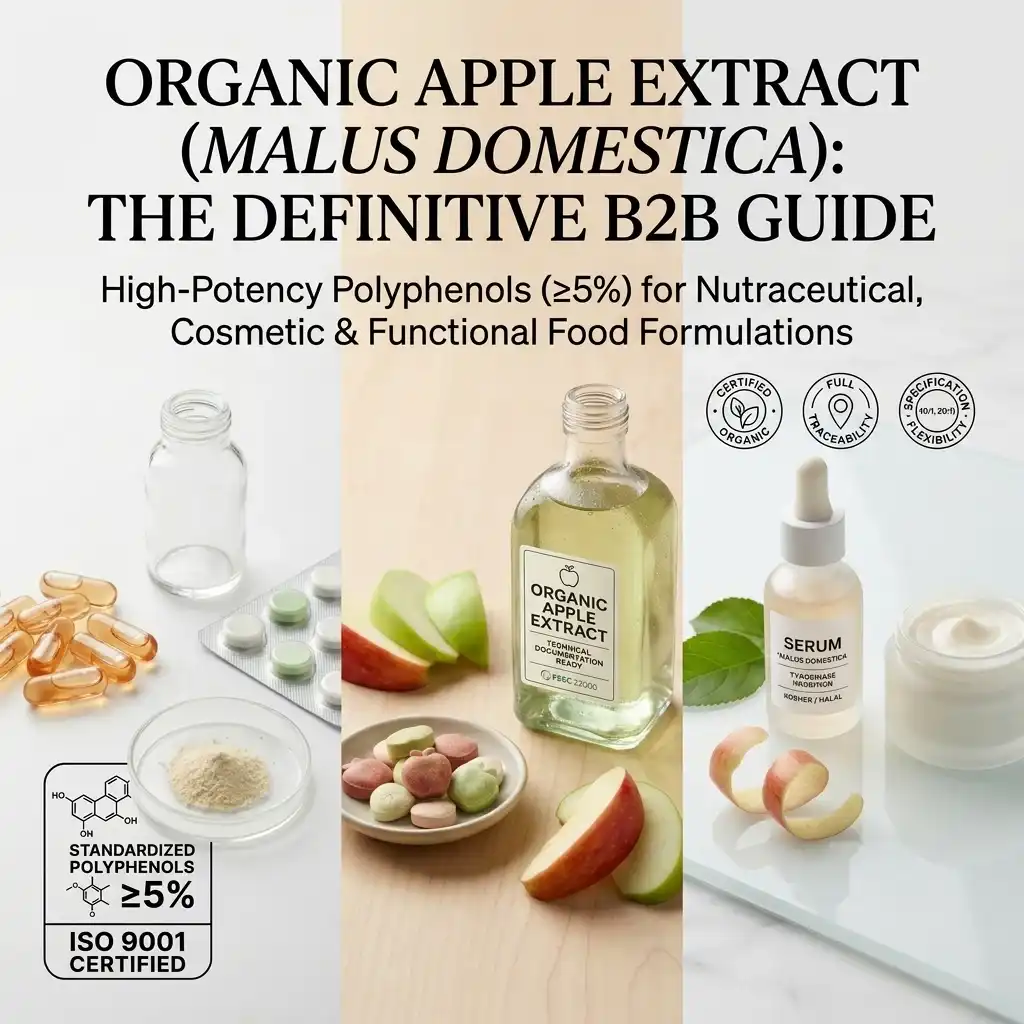
Discover the Natural Power of Organic Apple Extract
VIEW MOREOrganic apple extract has quietly become one of the most sought-after botanical ingredients in the global nutraceutical, cosmetic, and functional food industries. Derived from Malus domestica, this concentrated ingredient delivers a powerful matrix of apple polyphenols — including phloridzin, chlorogenic acid, and catechins — that raw apple products simply cannot match in potency or formulation flexibility. Whether you are an R&D director evaluating antioxidant actives or a procurement manager sourcing clean-label ingredients at scale, understanding what sets a premium apple extract apart is essential to making confident sourcing decisions.
What Makes Organic Apple Extract Nutritionally Distinct
Not every ingredient that comes from apples is the same. Organic Apple Extract is different from regular Apple Extract because the fruit used for it is grown without using chemical fertilizers or pesticides, and the process of extracting it is designed to concentrate beneficial substances instead of diluting them.
A Rich Profile of Bioactive Compounds
World-Way's Apple Extract powder is standardized to polyphenols ≥5%. It has active ingredients like phloridzin (a chalcone that is only found in apples), chlorogenic acid, and procyanidins ranging from 3% to 15%, depending on the requirement. These chemicals play a big role in antioxidant activity. A study in the Journal of Agricultural and Food Chemistry shows that apple polyphenols have ORAC values that can be measured and stop lipid peroxidation at amounts that are physiologically relevant. The fine, off-white to light brown powder goes through an 80-mesh screen 95% of the time, with less than 5% moisture and less than 5% ash. This makes sure that the uniformity from batch to batch that formulation teams rely on.
In addition to being an antioxidant, chlorogenic acid helps the body's glucose metabolism by changing how much glucose is made by the liver, and phloridzin blocks SGLT. These are two actions that have gotten a lot of attention from people who are making supplements for metabolic health.
Skin Health and Tyrosinase Inhibition
The extract's ability to stop tyrosinase from working makes it a scientifically sound alternative to synthetic brightening agents that can be used in cosmetics and personal care products. Tyrosinase is the main enzyme in the production of melanin. Blocking it at its source can even out your skin tone, which is in line with the growing demand for plant actives. Because of this, World-Way's apple powder is used to make skin serums, beauty supplements, and sheet masks.
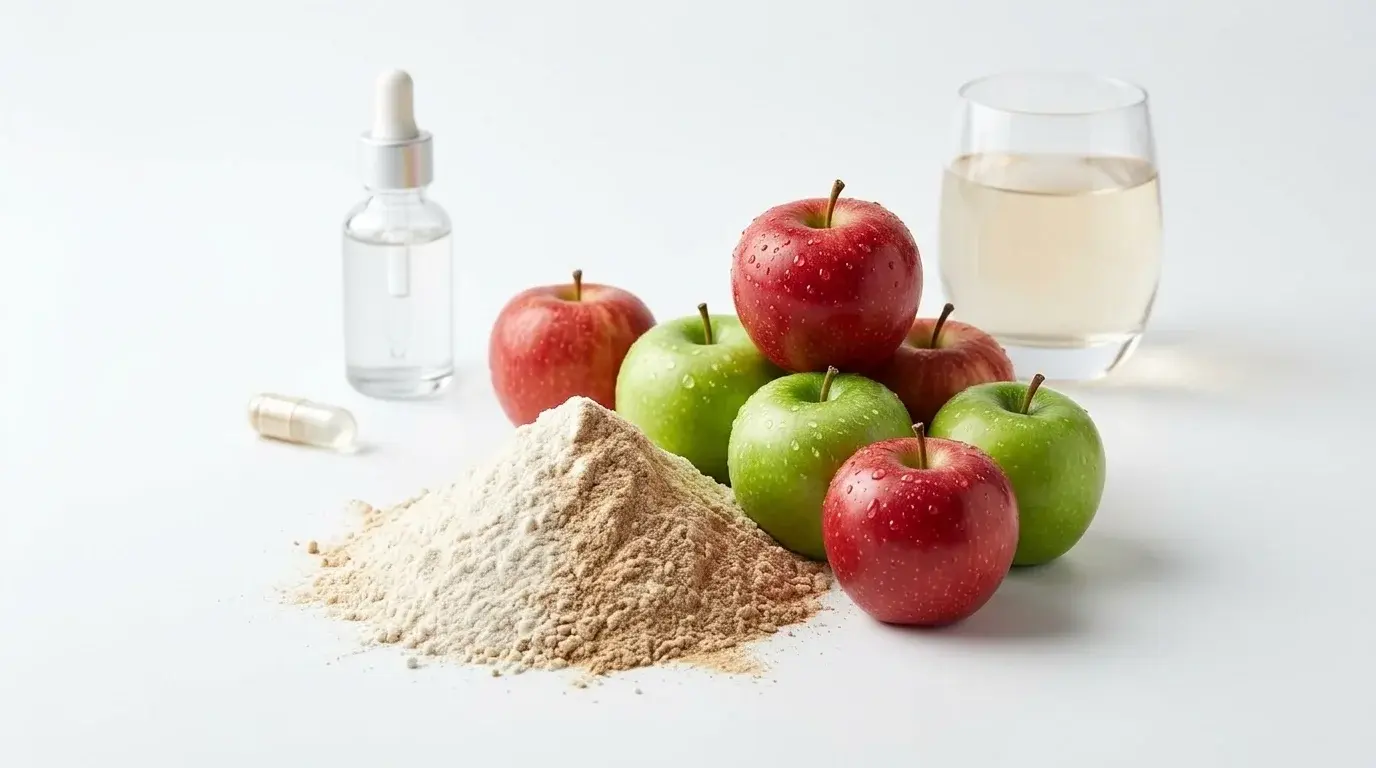
Organic Apple Extract vs. Other Apple-Derived Ingredients
When purchasing ingredients, people often want to know how Apple Extract stacks up against apple cider vinegar, apple juice concentrate, or plain fruit products. The answer is very important for the success of the formulation and the regulatory standing.
Apple cider vinegar's main active ingredient is acetic acid, and it has a very low normal polyphenol level. There is a lot of fructose in apple juice concentrate, which makes it hard to use in low-sugar products because it absorbs water. Even though generic apple powder is cheap, it is not standardized enough to be used in clinical or cosmetic settings.
In contrast, organic Apple Extract is created through membrane filtration or solvent extraction to concentrate particular bioactive markers while removing sugars and other unwanted substances. This makes a high-potency ingredient that can be used again and again and has a known amount of polyphenols. It meets the requirements for documentation and effectiveness in regulated markets. As label openness rules get stricter, this difference becomes more important for business buyers in the EU and the US.
Procurement Guide: Sourcing Apple Extract in Bulk
To find a lot of apple polyphenol extract, you have to use a specific set of factors to judge each seller. Price alone isn't a good indicator; what counts is where approved quality, manufacturing capacity, and the amount of regulatory paperwork meet.
When skilled R&D and buying teams look at a supplier, these are the main things they look for:
- Certifications and compliance: ISO9001, FSSC22000, Kosher, and Halal are all certifications that World-Way's Apple Extract has. These certificates show that the facility follows food safety and quality management systems that have been checked by foreign organizations. This is needed to get into the North American and European markets.
- Specification flexibility: It comes in 10:1 and 20:1 ratio extracts as well as pure freeze-dried powder, and the amount of polyphenols can be changed to fit the goal dose of your product. The packaging is 25 kg per drum, and the lead time is 10 days. You can get free samples to test their quality.
- Technical documentation readiness: World-Way offers regulatory dossiers, non-GMO declarations, allergen statements, and COAs. This is the full set of documentation that regulatory affairs teams need to register a product in more than one country.
- Vertical integration: World-Way runs its own planting bases that cover more than 67 hectares, an ultramodern extraction center that can process more than 3,000 tons of material every year, and an analytical lab with HPLC-MS, GC-MS, and ICP-MS equipment. This integrated system immediately leads to stable prices and a steady supply.
All of these criteria work together to lower the risk of procurement and shorten the time it takes to go from qualifying ingredients to commercial launch. If a supplier can't show this level of integration and paperwork detail, they add needless uncertainty to your supply chain.
Applications Across B2B Industries
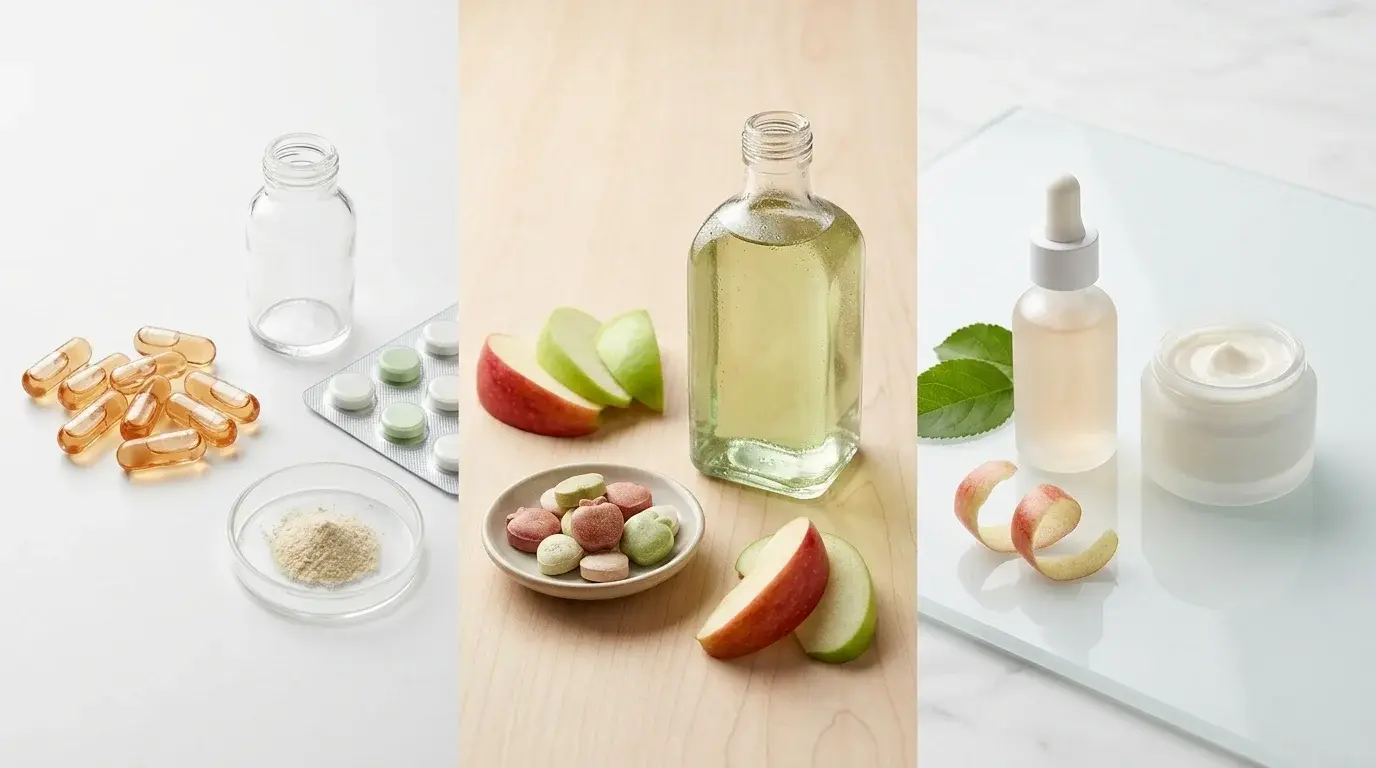
One of the best things about apple polyphenol extract for business is that it can be used in a lot of different types of products. Formulators in a number of different fields have used it to make great product lines.
Nutraceuticals and Dietary Supplements
Standardized Apple Extract comes in pill and tablet forms and is said to help with metabolism and provide antioxidants that can be measured. Supplement brands that aim to control blood sugar, improve gut health, and protect cells have used phloridzin-rich parts to make their goods stand out in a crowded market.
Functional Food and Beverage
Spray-dried apple powder from World-Way has a mild flavor and dissolves easily in water, which makes it a good choice for functional drinks, pressed candies, and baked goods that need extra nutrition. People who care about their health will like that it has a clean label, which means it doesn't have any fake ingredients. This fits with the natural product positioning that makes people want to buy in the U.S. market.
Cosmetics and Skincare
Anti-aging serums and brightening creams that contain polyphenols from apples are popular with customers, especially as the beauty industry moves away from synthetic actives. The tyrosinase inhibition mechanism has a scientifically measurable effect that appeals to both formulators and end users who want beauty goods that are backed by evidence.
Safety Profile and Regulatory Compliance
Malus domestica is the source of Apple Extract, which has a long history of safety. That means it is generally thought to be safe (GRAS) for use in food in the US, and the toxicological safety of its polyphenol components at useful dosage levels has been widely studied in peer-reviewed literature.
For products to be sold all over the world, sourcing teams should make sure that the paperwork their suppliers send them meets FDA labeling rules for dietary supplements, EU Novel Food rules (if they apply), and Codex Alimentarius standards for plant ingredients in food. World-Way's compliance infrastructure, which includes FSSC22000, ISO9001, Kosher, and Halal, gives multi-market product registration the proof it needs, without the delays that come with working with suppliers who aren't as regulated.
People who are known to be allergic to apples should be careful, and formulators who work with concentrated extracts should follow established dosage rules backed by clinical literature instead of drawing from data on how much whole fruit is eaten.

Conclusion
Organic Apple Extract is one of a kind botanical ingredients because it has a lot of scientific support, can be used in a lot of different ways, and has a clean label that works for nutraceuticals, cosmetics, and functional foods. The Apple Extract from World-Way is standardized to polyphenols ≥5% and made in ISO9001 and FSSC22000-certified facilities. It gives sourcing and research and development teams a solid, well-documented ingredient to build on. Vertical supply chain integration, flexible specification options, and full regulatory support make it a smart choice for brands that care about both effectiveness and compliance.
FAQ
What is the standard polyphenol content in World-Way's Apple Extract?
World-Way's Apple Extract is standardized to have polyphenols of at least 5%. Its main ingredients are phloridzin, chlorogenic acid, and catechins. Depending on the needs of the product, higher concentrations (up to 15% polyphenols) are possible.
What certifications does the product carry?
The item is certified as ISO9001, FSSC22000, Kosher, and Halal. These include managing food safety, setting up quality systems, and making sure that foreign markets follow nutrition rules.
Is a free sample available?
Yes, you can get free samples, and the wait time is usually 10 days. 25 kg per drum for business packing.
What applications is it suited for?
It is made to be used in functional drinks, cosmetics, bakery goods, pressed sweets, and dietary supplements—anywhere a normal antioxidant or skin-brightening plant active is needed.
How does organic apple extract differ from apple cider vinegar?
Acetic acid is the main ingredient in apple cider vinegar. Organic Apple Extract, on the other hand, concentrates antioxidants like phloridzin and chlorogenic acid. These have completely different roles to play in formulation.
Partner With World-Way for Reliable Apple Extract Supply
Since 1992, world-way biotech inc. has provided approved plant products backed by science to supplement, food, and cosmetic brands around the world. We are a reliable Apple Extract manufacturer with a fully integrated supply chain that runs from the plantation to production. We offer consistent quality, full regulatory documentation, and easy OEM customization. Get your free taste today and see what a difference 30 years of experience in extraction can make. Email us at info@world-way.net to talk about your needs.
References
1. Boyer, J., & Liu, R. H. (2004). Apple phytochemicals and their health benefits. Nutrition Journal, 3(1).
2. Knekt, P., et al. (2002). Flavonoid intake and risk of chronic diseases. American Journal of Clinical Nutrition, 76(3).
3. Wolfe, K., Wu, X., & Liu, R. H. (2003). Antioxidant activity of apple peels. Journal of Agricultural and Food Chemistry, 51(3).
4. Shoji, T., et al. (2005). Phloridzin and procyanidin B2 in apple polyphenol fractions and their biological activity. BioFactors, 23(4).
5. Gallus, S., et al. (2005). Does an apple a day keep the oncologist away? Annals of Oncology, 16(11).
6. Thilakarathna, S. H., & Rupasinghe, H. P. V. (2013). Flavonoid bioavailability and attempts for bioavailability enhancement. Nutrients, 5(9).
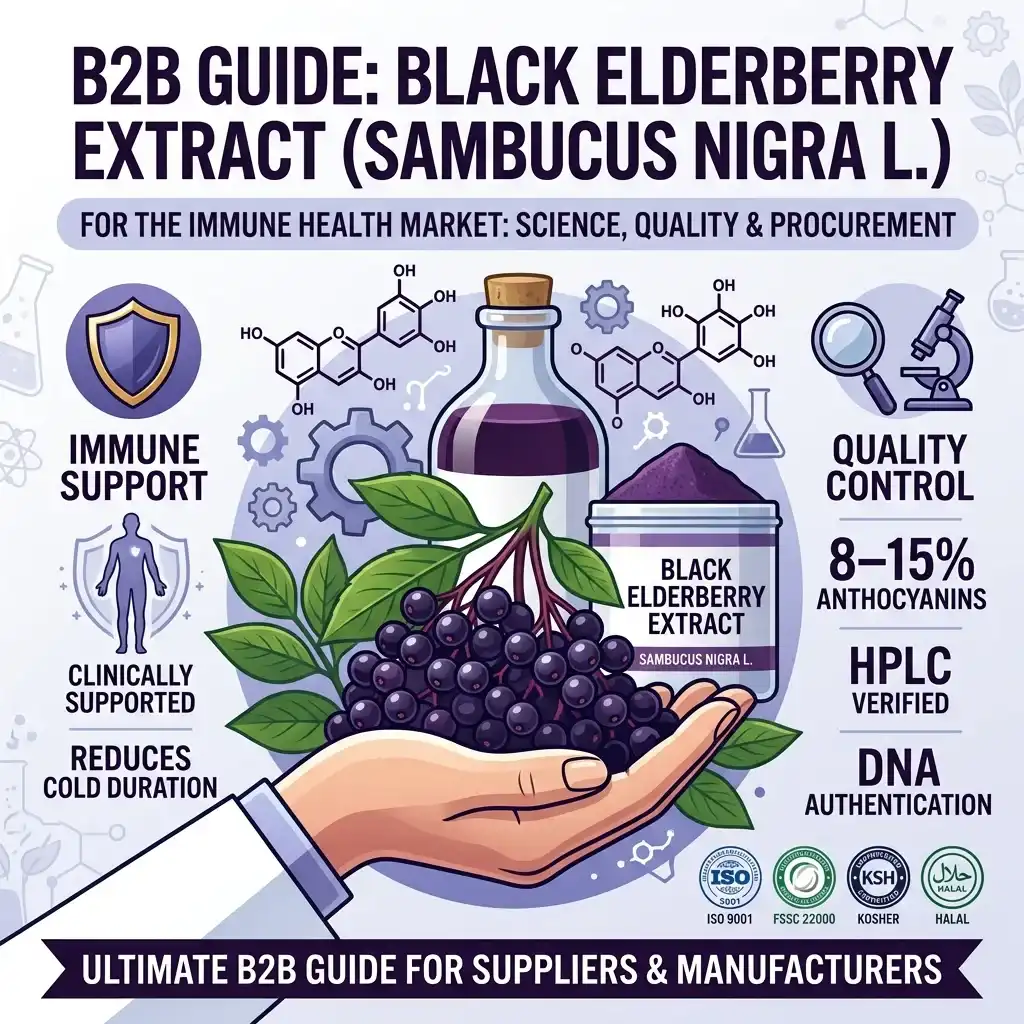
Black Elderberry Extract for Botanical Ingredient Blends and OEM Production
This article provides a comprehensive B2B guide to Black Elderberry Extract (Sambucus nigra L.) as a scientifically supported botanical ingredient for the immune health market. Rich in cyanidin-based anthocyanins (8–15%), flavonoids, and phenolic acids, the extract delivers measurable antioxidant and antiviral activity, with clinical trials supporting its role in reducing cold duration and inhibiting influenza A and B replication. The article covers standardization options (ratio extracts vs. fixed anthocyanin specifications), key quality parameters including HPLC verification, DNA authentication, heavy metal and pesticide compliance, and solvent residue limits. It also addresses formulation compatibility with echinacea, astragalus, and vitamin C, pH stability (3.0–4.5), clean-label positioning, and storage requirements. Finally, it outlines procurement strategies for bulk and OEM production, emphasizing vertically integrated suppliers, complete technical documentation, and certifications such as ISO9001, FSSC22000, Kosher, and Halal.VIEW MORE
How Do Manufacturers Use Beet Root Powder in Beverage Formulations?
This article examines Beet Root Powder as a standardized, water-soluble functional ingredient for beverage formulations, delivering dietary nitrates, betalains, and betaine in a shelf-stable format. Derived from Beta vulgaris L., it dissolves cleanly into liquids and serves a dual role as both a natural colorant and a performance ingredient, compatible with juice blends, functional waters, pre-workout drinks, and RTD wellness shots. The article covers its positioning across beverage categories, dosage and solubility best practices (500–3,000 mg per serving), color retention and taste considerations, and key commercial advantages including cardiovascular positioning, clean-label coloring, and cost-competitive bulk procurement. It also compares beet root powder with juice concentrate and other beet-derived forms, and outlines certification requirements such as ISO9001, FSSC22000, Kosher, and Halal. Finally, it highlights future trends in delivery formats and supply chain transparency, providing procurement and R&D teams with practical guidance for selecting a reliable, vertically integrated supplier.VIEW MORE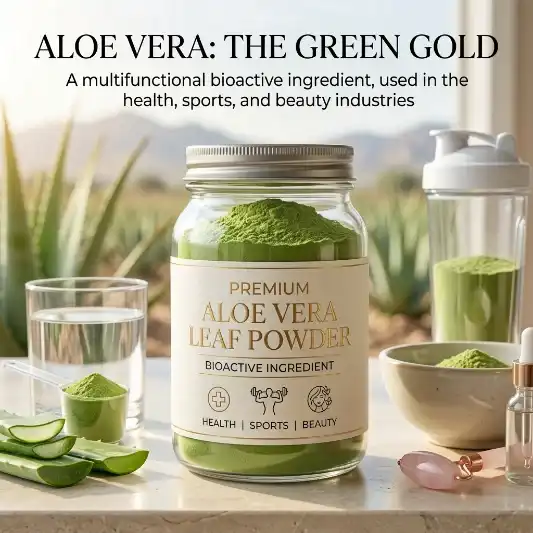
10 Surprising Health Benefits of Aloe vera Leaf Powder
VIEW MOREBioactive compounds in Aloe Vera Leaf Powder are very strong and change the way health, exercise, and beauty goods are made. Unlike fresh gel or liquid extracts, this steady powder form has the same amount of aloe polysaccharides (often at ≥10%), vitamins, minerals, and antioxidants that stay active while it is being made and while it is being stored. Knowing these ten benefits of this plant extract can help people who buy things find ingredients that are scientifically sound and can be used in many ways. It can also help businesses follow the rules set by regulators and meet customer needs for natural, useful ingredients in functional foods, skin care products, and nutraceuticals.
What Is Aloe Vera Leaf Powder and How Is It Made?
Aloe Vera Leaf Powder originates from Aloe barbadensis Mill., also known as aloe vera. Most of the time, this plant is grown in warm, humid places like Hainan, Yunnan, and Fujian provinces in China. Gathering ripe aloe leaves is the first step in making something. This is when they have the most carbohydrates. This often takes place three to five years after the plant has grown fully. Freeze-drying or spray-drying is used to control the loss of water in leaf powder. This keeps biological chemicals safe and makes an ingredient that can be kept for a long time. This is not the same as aloe juice or gel, which are very wet and need to be kept cool.
Manufacturing Process and Quality Parameters
The way World-Way does business is a good example of how things should be done. To get rid of the skin on the outside, fresh leaves are washed and clipped right away. After the pulp is taken out, the leaves are dried at controlled temperatures that keep chemicals that are sensitive to heat safe. The powder is put through 80-mesh screens to make sure that 95% of the pieces are round, which is important for making sure that recipes work. It is important that the moisture content and ash content are both less than or equal to 5%. These levels keep bacteria from growing and make sure the product stays stable over time. With this method, you can make a fine, light yellowish-white powder that has a polysaccharide content of 10% to 50%, depending on the extraction ratios.
Nutritional Profile and Bioactive Compounds
Many substances make up the powder, which is what makes it strong at healing. Acemannan and other polysaccharides in aloe help the body's defense system and encourage the growth of good germs. Controlled amounts of aloin (18% in some extracts) are good for your gut health, and aloe-emodin kills bacteria very well. There are also minerals in the powder, such as calcium, magnesium, and zinc, as well as vitamins B1, B2, B6, C, and E. You can use this item if you want to get a lot of benefits from a single plant source because it has a lot of minerals.
10 Surprising Health Benefits of Aloe Vera Leaf Powder
Either a clinical study or years of use by people have shown that this plant product can help many parts of the body. Product makers have good reasons to use this ingredient in a lot of different ways because it has these benefits.
Digestive System Support and Gut Health
Aloe's polysaccharides are prebiotic, which means they help good bacteria grow in the gut. A new study says that these chemicals help certain types of bacteria (Bifidobacterium and Lactobacillus) grow while keeping the gut barrier healthy. The mucilaginous parts of the powder protect the insides of the digestive system, which reduces the swelling that comes with having irritable bowel syndrome. This ingredient is useful in digestive health products that aim to protect the mucosa and change the bacteria. This makes the gut feel better and keeps it normal.
Advanced Skin Healing and Regeneration
Aloe vera Leaf Powder has a high carbohydrate content that helps wounds heal faster in more than one way. Studies in humans have shown that increased fibroblast and collagen production speeds up the healing process for small cuts, scrapes, and burns. Anti-inflammatory compounds inhibit cyclooxygenase (COX) activity, reducing heat and swelling. These properties can be used in topical cosmeceuticals, such as after-sun creams, burn gels, and post-surgery skincare products, where promoting cellular repair and reducing inflammation are essential.
Immune System Modulation
Acemannan is the main immunoactive polysaccharide that makes macrophages work harder and makes more cytokines, which makes the body's defenses stronger. More nitric oxide and tumor necrosis factor-alpha are being made. These are important chemicals that help the defense system talk to other cells. Since the powder makes the immune system stronger, it can be used in exercise products that help the immune system during certain times of the year and in general. It works especially well in goods that are aimed at health-conscious people who want to learn how to eat better to stay healthy.
Blood Sugar Regulation
Several tests on people have shown that aloe can help those who have high blood sugar keep their levels in check. Changing how glucose is used in the body and making insulin work better are two steps that are recommended. There are proper ways to measure these effects, and they shouldn't be used instead of medical care. However, they can be useful in metabolic health recipes. As long as the rules don't get in the way, buying teams can use the scientifically proven benefit of making products that help with blood sugar in their marketing and claims.
Cardiovascular Health Support
Low LDL cholesterol and fat levels may be improved by aloe polysaccharides, according to a new study. HDL values stay the same. Oxidative stress is linked to the buildup of plaque in the arteries. Antioxidants, like vitamins C and E, fight this stress. This protein is often found in heart health items and foods that are good for older people who want to keep their circulatory systems healthy because they are good for the heart.
Oral Health and Hygiene
As an antimicrobial, the powder kills mouth bacteria such as Streptococcus mutans and Porphyromonas gingivalis, which are major causes of gum disease and cavities. The anti-inflammatory effect makes gums less swollen and bleed. Because of these traits, the product can be used to make natural toothpaste, mouthwash, and oral gel. More and more people like antimicrobials from plants better than those made in factories.
Antioxidant Protection Against Cellular Damage
The powder has many different chemicals that work together to protect against free radicals. These include vitamins C and E, beta-carotene, and polyphenolic compounds. Free radicals play a part in getting older, getting chronic diseases, and how the body responds to stress from the outside world. They are taken care of by this network of antioxidants. This ingredient can be found in anti-aging vitamins, performance nutrition products that target oxidative stress from exercise, and beauty-from-within products that protect skin from photoaging because it can stop a lot of different kinds of damage.
Anti-Inflammatory Effects Across Body Systems
Inflammatory chemicals like prostaglandins and leukotrienes can't do their job because aloe chemicals change the cyclooxygenase and lipoxygenase pathways. This effect on the body as a whole reduces inflammation, which is good for many conditions characterized by long-term inflammation, such as skin irritation and painful joints. Scientists use this process to find ways to use the powder in goods for sensitive skin, sports recovery, and joint health, with one of their main goals being to lower inflammation.
Hydration and Moisture Retention
Aloe vera Leaf Powder contains polysaccharides that are hygroscopic, which means they can hold water molecules with their structure. When applied to the face, this helps the skin stay hydrated and better protected. These compounds may also help nasal tissues throughout the body remain moist. Powder that helps maintain skin moisture is ideal for dry-skin recipes, moisturizing masks, and beauty products designed to hydrate the skin from the inside out.
Detoxification and Liver Support
Aloe chemicals may help the liver work better by making bile move more easily and improving the activity of antioxidant enzymes in liver cells, according to early research. A lot more research needs to be done on humans, but research on animals suggests that it might be possible to help the body's natural cleaning processes. If you make cleanse and detox products, this new area of health benefits could be good for you. But claims have to follow the rules set by the government and match the present body of evidence.
图片尺 寸 350x350寸 350
 x350
Aloe Vera Leaf Powder vs. Other Aloe Products: Making the Right Choice for Your Business
When you know the differences between product types, you can buy things that are best for both making and end uses. Aloe vera comes in a number of different forms, including fresh gel, stable juice, whole leaf extract, and dry powder. Each has good and bad points.
Stability and Shelf Life Considerations
Aloe gel that is still fresh is mostly water and goes bad fast if it is not kept cool. Because of this, it is not helpful in most work environments. Juice that has been processed and fixed will last longer, but it will have more liquid in it, which makes it harder to make powders. Whole leaf powder can be kept for up to two years in places that keep the temperature below 25°C and don't get too wet. This is because it is most stable when made from whole leaves. This benefit of stability cuts down on waste, makes it easier to keep track of goods, and lets you set fluid production plans without having to worry about raw materials breaking down.
Formulation Flexibility and Processing Efficiency
You don't have to do any extra work to add the powder form to drinks, pills, tablets, powder mixes, or drinks that have been restored. The powder has a controlled particle size (95% passing 80 mesh) and a standard moisture content (≤5.0%), which makes it easy to move through packing machines and spread out evenly in liquid systems. There is a clear solution made from World-Way's powder when it mixes with water. This is an important quality for drinks because cloudiness can make people not like the product as much. When working with liquid extracts, you need special pumps and measuring tools. This processing speed makes it easier to make things.
Concentration and Dosing Precision
Standardized polysaccharide content, proven by HPLC testing, lets you guess the exact amounts you need to make vitamins and follow the rules. The extraction rates at World-Way are between 100:1 and 200:1. These concentrations help you find the best value for money and health benefits. This rule is very different from fresh gel or juice, where each batch is different because of the plants that were used. This exact dosage helps sourcing teams make products with the right therapeutic placement, which backs up what the label says and makes sure that all customers have the same experience.
Certification and Compliance Advantages
A good powder company will keep a full set of certificates for Aloe vera Leaf Powder, such as ISO9001, FSSC22000, Kosher, Halal, and, if needed, organic certifications. Every year, these licenses are checked to ensure that the Aloe vera Leaf Powder meets safety and quality standards around the world. The set of paperwork includes Certificates of Analysis, MSDS, food statements, and non-GMO declarations. This makes it easy to provide documentation to officials in various markets and is very helpful for businesses that sell Aloe vera Leaf Powder globally, where regulations may differ.
Procurement Guide: How to Source High-Quality Aloe Vera Leaf Powder in Bulk
When you do strategic buying, you plan how you will look at a supplier's quality systems, expert help, and how well their supply chain works. These guidelines can help you decide what to buy so that you can form relationships that lower risk and increase value.
Certification Verification and Quality Systems
As a first step in your evaluation, check the supplier's certificates to make sure they are still good instead of relying on what they say on their website. Valid certificates have the names of the organizations that issued them, clear subject lines, and dates when they end. GFSI benchmarking recognizes FSSC22000 approval as a sign of strong food safety management. It includes base programs, HACCP concepts, and management system standards. Foods that are certified as Kosher or Halal show that they follow religious food rules. This is important for products that are meant for certain groups of people. If there are audit records, you should ask for them. They show nonconformances and steps to fix them, which shows how open and dedicated the provider is to always getting better.
Analytical Testing and Quality Control Protocols
Ask for full Certificates of Analysis that include tests for identity, strength, toxins, and bacteria limits. HPLC should be used to check the carbohydrate level and make sure it meets the needs. If asked, chromatograms can be given. An ICP-MS test for heavy metals should show that the amounts of lead, arsenic, cadmium, and mercury are below the standards set by the world's governments. Pesticide residues, which contain more than 400 different chemicals, are checked to make sure that crop supplies are safe. Microbe tests should show that the total plate counts are less than 1000 CFU/g and that there are no pathogens, such as E. coli, Salmonella, and Staphylococcus aureus. Manufacturers who have their own labs with HPLC-MS, GC-MS, and ICP-MS tools show that they know how to do real-time quality control.
Supply Chain Transparency and Traceability
Start thinking about how to buy things at the level of creation. If you compare suppliers who own or have contracted-managed farm bases to brokers who buy on the spot market, they offer more stable supplies and better quality. World-Way's businesses cover growing areas in southern China. Find out how the plants were grown, when they were picked, and how they were handled afterward. All of these things have an impact on the amount of active chemicals that are present. Traceability tools link a lot of finished products to specific groups of crops. So, problems with the quality can be fixed quickly, and boasts of organic or local origin can be backed up.
Bulk Ordering Strategies and Logistics Management
You should talk about price plans that are fair and take into account the amount of sales. Usually, the lowest amount you can buy is between 25 kg and 500 kg, but it depends on the seller. The price drops as the number rises. Goods stay dry and clean while they're being shipped in standard 25 kg fiber drums with food-grade plastic covers. Stock items with lead times of 10 days or less make it easy to keep track of supplies. However, production plans may need to be pushed back for items with special requirements. See what they can do by checking out the stores at both the seller and the site. The things may not be as good if they are stored badly or if they are exposed to air. For a lot of use, you might want to set up inventory plans that are handled by a provider. In this way, you can keep things handy without having to pay for storage space.
Custom Manufacturing and Private Label Services
Better service providers can help with creating and private-label manufacturing, which makes it faster for new goods to hit the market. It is very helpful to use these services when mixing aloe powder with other plants or nutrients that work well with it. You should be able to change the particles' size, make them more liquid through co-processing, and check how stable they are in conditions that make them age faster. To protect your recipe investments, ask for case studies or references from customers who have had custom projects go well. Also, make sure you know how intellectual property will be protected.
Conclusion
There's proof that Aloe vera Leaf Powder is good for you. It can improve skin care, support the immune system, and promote heart health. It can be used in many ways, such as in vitamins, cosmetics, and health-promoting foods. When making strategic purchases, it’s important to evaluate suppliers based on the accuracy of their certifications, the thoroughness of their testing, the transparency of their supply chain, and the quality of their technical support. Building a relationship with a supplier can reduce risk while still allowing for the introduction of new products. World-Way Biotech achieves this through its own cultivation bases, advanced extraction technology, comprehensive quality management, and friendly customer service. Choosing suppliers with a proven track record of quality, compliance, and technical expertise helps you stay competitive in markets that demand natural ingredients validated by scientific research.
FAQ
What is the typical shelf life of aloe vera leaf powder under proper storage conditions?
If you store Aloe Vera Leaf Powder the right way, it will work for 24 months after you make it. Containers must be stored in cool, dry places that are below 25°C and have a relative humidity of less than 60%. The biggest risk of breakdown is coming into contact with water, since hygroscopic polysaccharides soak up water from the air. This makes it easy for microbes to grow and enzymes to break down. The first-in-first-out rule should be used to change inventory, and old inventory should be tested often to make sure it still meets requirements.
How does polysaccharide standardization impact product efficacy and regulatory compliance?
HPLC analysis is often used to check the standardized polysaccharide content. This makes sure that the same amount is used for each batch of output and that the biological effects are always the same. This uniform helps the review process for regulators and backs up claims that food items have the right structure and function. Specifiers that say "polysaccharides ≥10%" mean that the product will work at a basic level. Higher standards (20%, 30%, or 50%) let you use smaller amounts or place the product more effectively in the body. When you buy something, the contract should say how to test it, what the acceptance criteria are, and how to turn down batches that don't meet those criteria.
Can aloe vera leaf powder be incorporated into both water-based and oil-based formulations?
When you mix good powder with water, you get clear solutions that can be used in drinks, syrups, and gelatin makeup. When working with oil, you need to either use pre-dispersion methods or extraction forms that have been mixed with carriers that break down in oil. The way World-Way does it keeps the polysaccharide structure while drying the powder. This makes a powder that dissolves fully in water. Because pH, temperature, and other ingredients can change how the product spreads and how stable it is in the end, formulators should test to see if it works in their own systems.
Partner with World-Way for Premium Aloe Vera Leaf Powder Supply
It is safe to buy Aloe Vera Leaf Powder from World-Way Biotech. They've been taking plants out for 30 years and work with more than 500 companies in 60 different countries. All of our goods are of the same high quality, and big orders are delivered on time thanks to our fully connected supply chain. It includes owned cultivation bases in the best growth areas and factories that are ISO9001 and FSSC22000 approved. There must be standardized polysaccharides of at least 10%, controlled particle size with 95% passing 80 mesh, and full certification coverage, which includes Kosher and Halal. Our research and development team, which is led by well-known farming scientists, helps with creation and can prepare your product in a way that fits its needs. You can get free samples to see for yourself how good the quality is. We also offer fast shipping (10 days) and all the technical paperwork you need to support regulatory applications all over the world. If you are in charge of purchasing and need a reliable source for Aloe Vera Leaf Powder for long-term strategic buying, please email our team at info@world-way.net to talk about details, prices, and business opportunities that will help you come up with new products faster.
References
1. Hamman, J.H. (2008). "Composition and Applications of Aloe vera Leaf Gel." Molecules, 13(8), 1599-1616.
2. Sahu, P.K., Giri, D.D., Singh, R., Pandey, P., Gupta, S., Shrivastava, A.K., Kumar, A., & Pandey, K.D. (2013). "Therapeutic and Medicinal Uses of Aloe vera: A Review." Pharmacology & Pharmacy, 4(8), 599-610.
3. Radha, M.H. & Laxmipriya, N.P. (2015). "Evaluation of Biological Properties and Clinical Effectiveness of Aloe vera: A Systematic Review." Journal of Traditional and Complementary Medicine, 5(1), 21-26.
4. Hęś, M., Dziedzic, K., Górecka, D., Jędrusek-Golińska, A., & Gujska, E. (2019). "Aloe vera (L.) Webb.: Natural Sources of Antioxidants – A Review." Plant Foods for Human Nutrition, 74(3), 255-265.
5. Cock, I.E. (2008). "Medicinal and Aromatic Plants – Australia," in Encyclopedia of Life Support Systems (EOLSS), Developed under the Auspices of UNESCO. Oxford, UK: EOLSS Publishers.
6. Yagi, A. & Takeo, S. (2003). "Anti-inflammatory Constituents, Aloesin and Aloemanol, in Aloe species and Effects of Tanshinon VI in Salvia miltiorrhiza on Heart." Yakugaku Zasshi: Journal of the Pharmaceutical Society of Japan, 123(7), 517-532.
Does Schisandra Extract Powder Have Benefits?
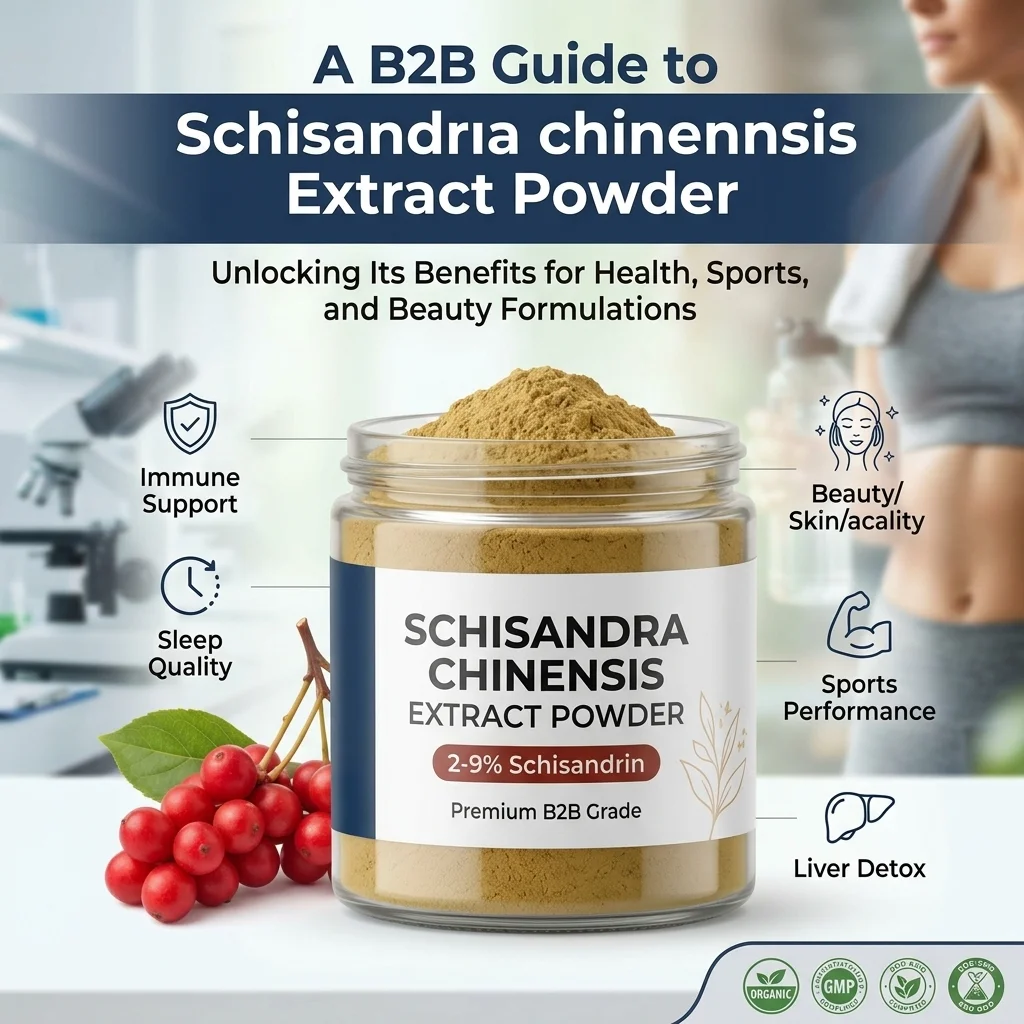
This article provides a comprehensive overview of Schisandra Extract Powder as a scientifically supported adaptogenic ingredient for the health, sports, and beauty industries. Derived from Schisandra chinensis and standardized to 2–9% schisandrins, the extract offers consistent potency and superior formulation stability compared to raw berry powder. The article covers the extraction process, key bioactive lignans, and major health benefits—including liver detoxification, antioxidant and anti-inflammatory effects, stress reduction, cognitive enhancement, immune support, and sleep quality improvement. It also compares extract powder with whole berry powder, discusses organic versus conventional certification options, and outlines supplier evaluation criteria. Finally, a practical procurement guide addresses bulk purchasing economics, contract structures, logistics, dosage recommendations, safety considerations, and quality assurance protocols for B2B buyers seeking a reliable, certified supplier.VIEW MORE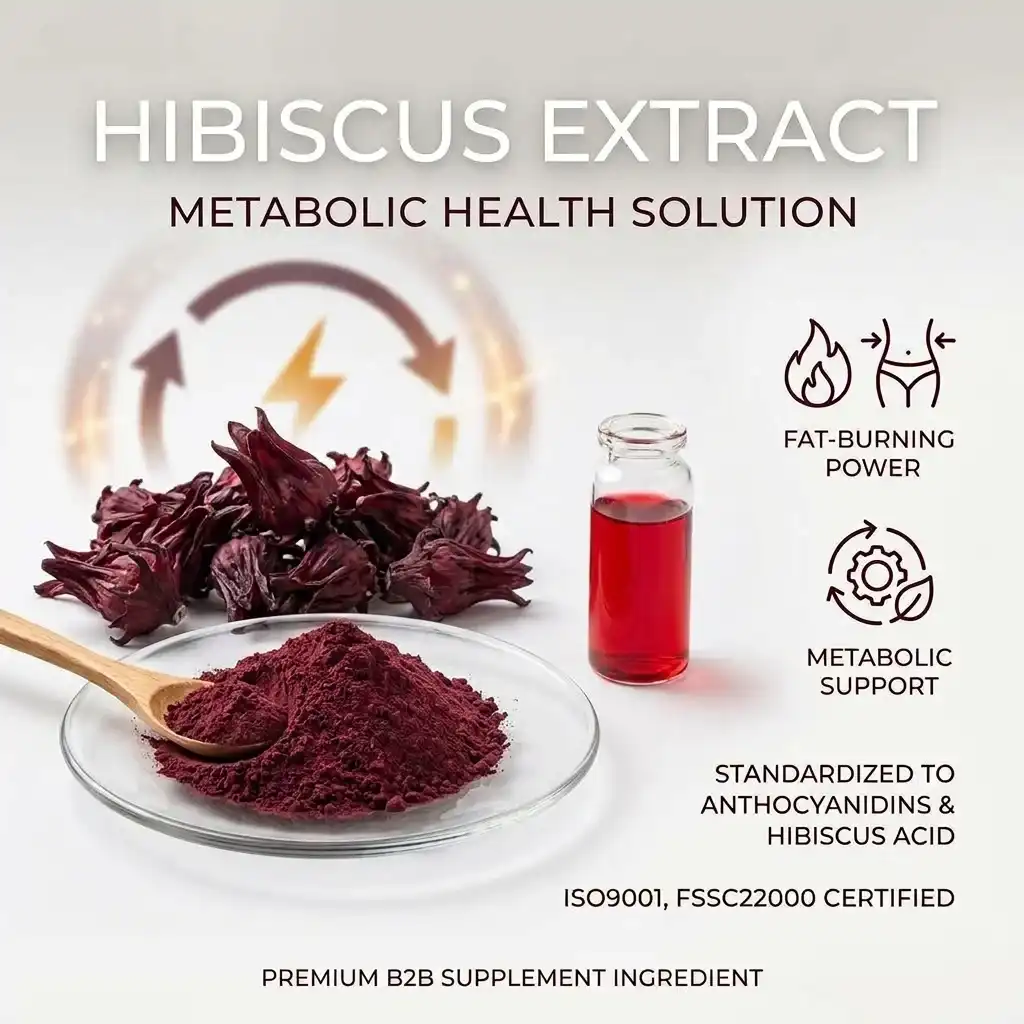
Can Hibiscus Extract Improve Metabolism and Fat Burning?
This article explores Hibiscus Extract as a scientifically supported ingredient for metabolic health and weight management. Rich in anthocyanidins and hibiscus acid, it activates AMPK to promote fat burning and inhibits carbohydrate absorption. The article covers key formulation parameters—including dosage (100–500 mg/day) and beverage pH requirements—as well as B2B procurement essentials such as certifications, supply chain integration, and safety documentation. It concludes with a supplier example to guide R&D and procurement teams in building next-generation weight-management products.VIEW MORE


- 1
- 2
- 3
- 4
- 5