
Knowledge
Barley Grass Extract: Benefits, Uses & Types Explained
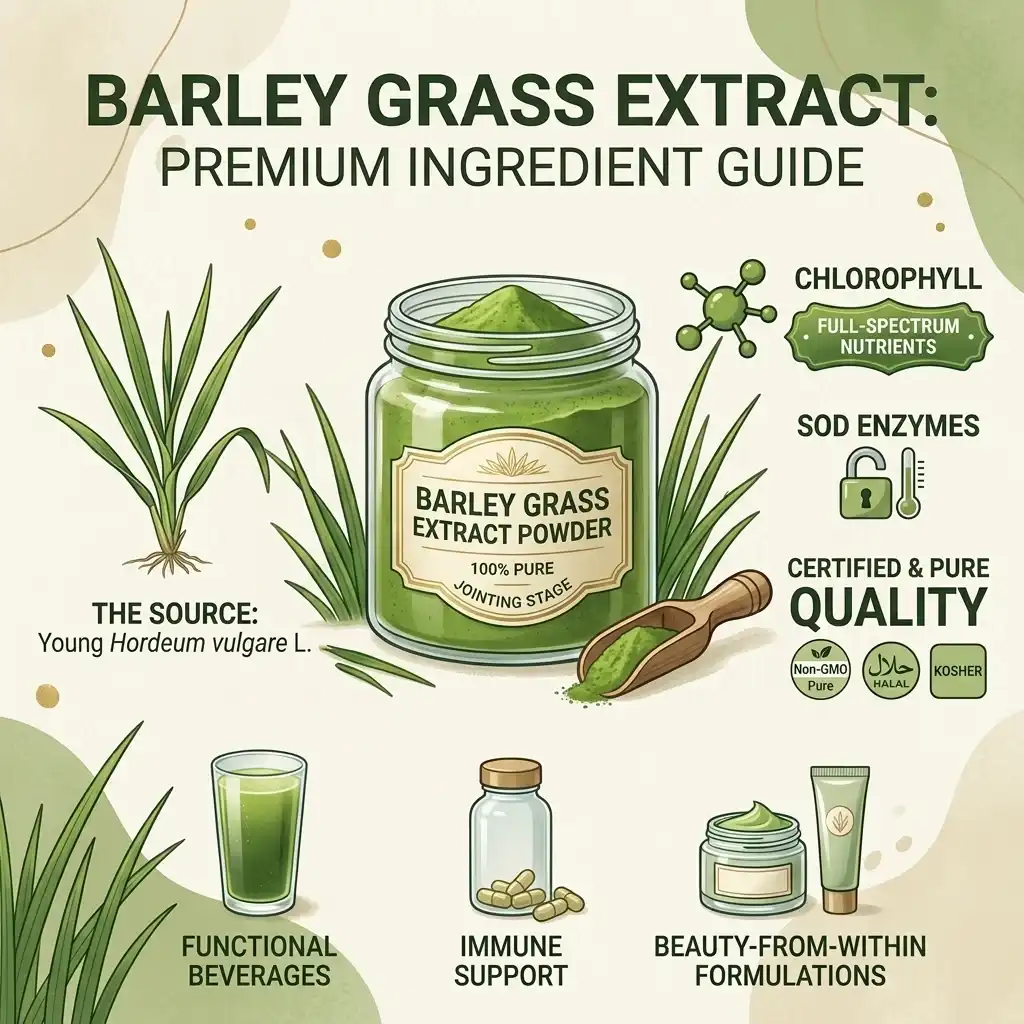
VIEW MOREBarley grass extract is one of the most nutrient-dense botanical ingredients available to formulators today. Derived from the young leaves of Hordeum vulgare L. harvested at the jointing stage, this concentrated green ingredient delivers a broad spectrum of chlorophyll, SOD enzymes, vitamins, and minerals in a shelf-stable, water-soluble powder. Whether you're developing functional beverages, immune-support capsules, or beauty-from-within formulations, understanding its composition, applications, and sourcing dynamics is essential for making confident procurement decisions.
Understanding Barley Grass Composition & Health Benefits
What Goes Into a High-Quality Extract?
Barley Grass Extract from World-Way is made from fresh barley plants that have been freeze-dried and spray-dried at low temperatures. Standard milling kills bioactives that are sensitive to heat, but this method keeps them. Fine emerald-green powder (95% passes 80 mesh), with less than 5% moisture and less than 5% ash, is what is left over. It is put in 25 kg drums.
Some important bioactive ingredients include:
- Chlorophyll (1%–3%): This is the pigment that gives the extract its bright green color. It also helps the liver work and keeps the acid-base balance in the body.
- Superoxide Dismutase (SOD, >150 units/g): A strong antioxidant enzyme that gets rid of free radicals at the cellular level. This is one of the main benefits of high-end antioxidant products.
- Vitamins A, C, E, and B-complex: Together, these elements help the defense system, keep the skin healthy, and provide energy.
- Minerals — Ca, Fe, Mg, K: These are important structural and electrolyte minerals that keep bones healthy and the heart working well.
- β-glucan: A type of soluble fiber that has been linked to lowering cholesterol and boosting the immune system.
These nutrients don't work by themselves. Flavonoids like saponarin and lutonarin work together with SOD to give the extract its antioxidant and anti-inflammatory properties. According to a study published in the journal Food Chemistry in 2018, saponarin, a flavonoid that is only found in young barley leaves, protects the liver and fights free radicals in a big way.
For people who make health goods, Barley Grass Extract's alkaline profile meets the need for pH-balancing products, which is a growing market segment in the U.S. functional nutrition market.
Comparing Barley Grass Extract With Other Superfood Ingredients
Where Does It Stand Against Wheatgrass, Spirulina, and Chlorella?
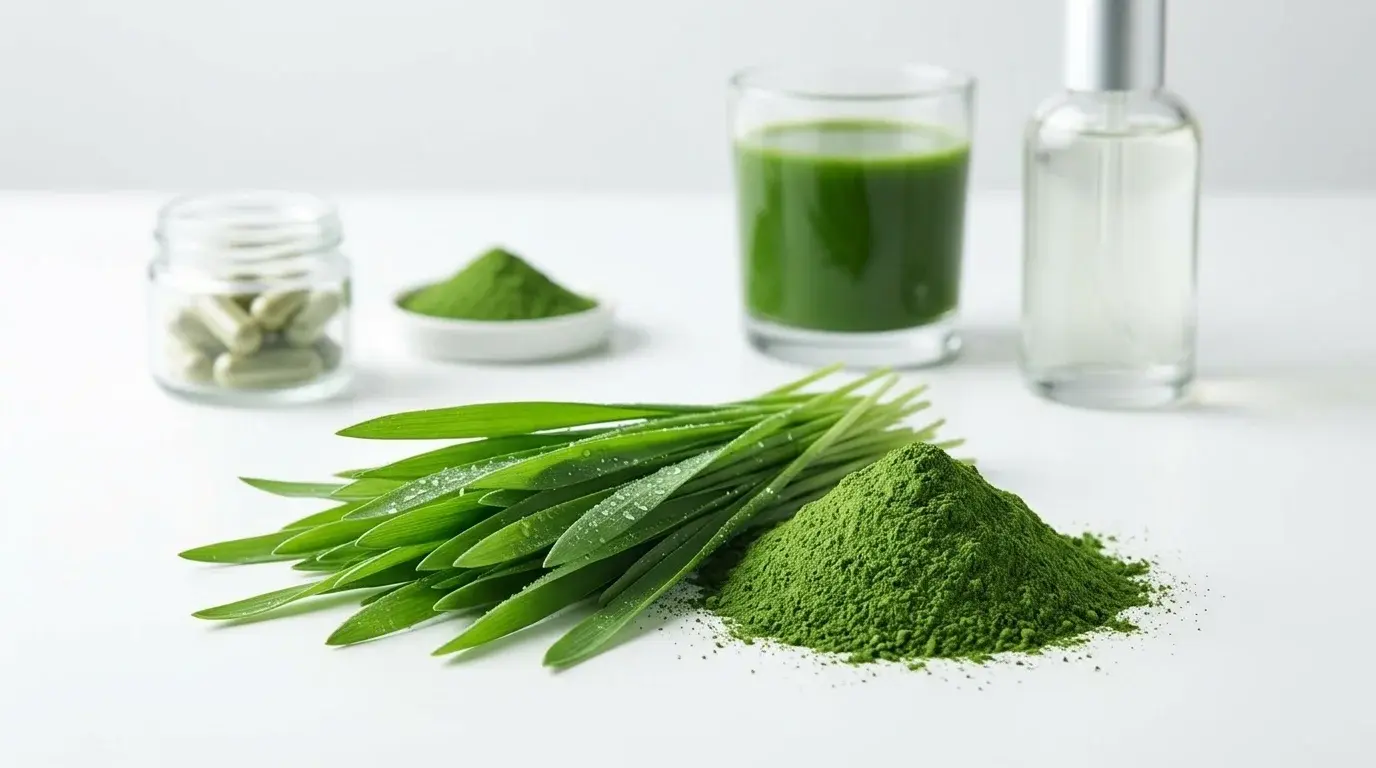
Purchasing managers often compare https://www.worldwaybio.com/immune-anti-inflammatory-antioxidant/barley-grass-extracthttps://www.worldwaybio.com/immune-anti-inflammatory-antioxidant/barley-grass-extractto other green ingredients that are on the market. Each has its own profile:
- Wheatgrass and Barley Grass Extract both have about the same amount of chlorophyll, but Barley Grass Extract has much more SOD activity and β-glucan, which makes it a better immunity and antioxidant choice.
- Spirulina is the better choice for uses that need a lot of protein because it has more protein (60–70%) and phycocyanin. Barley Grass Extract is better at alkalizing and has more fiber than spirulina.
- Chlorella is prized for its ability to detoxify because of Chlorella Growth Factor (CGF), but it has a stronger taste that makes it harder to make drinks that taste good.
Barley Grass Extract is the best base ingredient for RTD drinks, meal replacements, and enzyme powder mixes because it dissolves easily and has a mild, slightly sweet taste.
Certified Organic Barley Grass Extract is more expensive than ordinary Barley Grass Extract, but it gives you access to USDA-certified and EU Organic product lines, where claims on the package directly affect your decision to buy. Some of World-Way's goods are certified as FSSC22000, Kosher, or Halal, and all batches are managed according to ISO9001 quality standards.
Barley Grass Extract Applications Across Industries
From Nutraceuticals to Skincare
One of this ingredient's best commercial qualities is that it can be used in many different ways. Here are the main types of applications that are currently driving purchase volume:
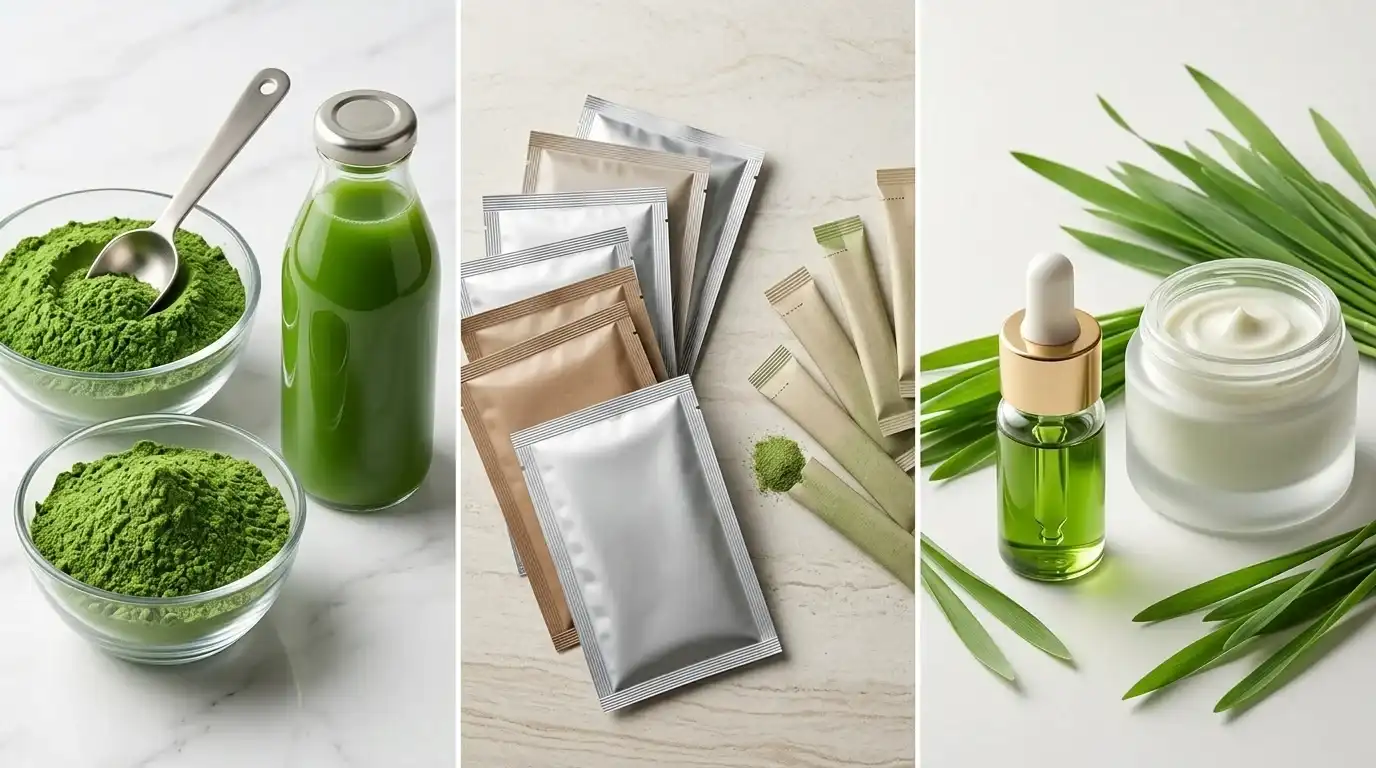
- Solid beverage and RTM blends: The extract dissolves in 95–100% water, which gets rid of the scratchy taste that comes with whole-leaf powders. Along with spirulina and wheatgrass, it mixes easily into green superfood blends.
- Meal replacements and enzyme powders: The extract comes in 10:1 and 50:1 concentrated forms and delivers high levels of phytochemicals in small dosage forms, which lowers the number of capsules needed and makes it easier for customers to follow through.
- Topical cosmeceuticals and oral beauty formulations: The high chlorophyll and SOD content fights oxidative stress pathways that cause skin to age. More and more, "beauty from within" brands use this ingredient in their liquid collagen shots and beauty products that are based on veggies.
- Functional foods and beverages: β-glucan and B-vitamin content backs up claims of digestive health; this is a regulated category that is becoming more popular in the U.S. market.
The extract is also more stable in water solutions with a normal pH, which is important for the shelf life of RTD product lines. SOD activity, on the other hand, is sensitive to heat and breaks down above 60°C. For this reason, goods that claim to have enzymatic activity should only come in cold-fill or powder blending forms.
Purchasing Guide: Sourcing This Ingredient at Scale
What B2B Buyers Should Evaluate
Decisions about where to get ingredients in bulk are based on more than just price per kilogram. A dependable provider must show uniformity in both the standardization of bioactive substances and the regulatory paperwork.
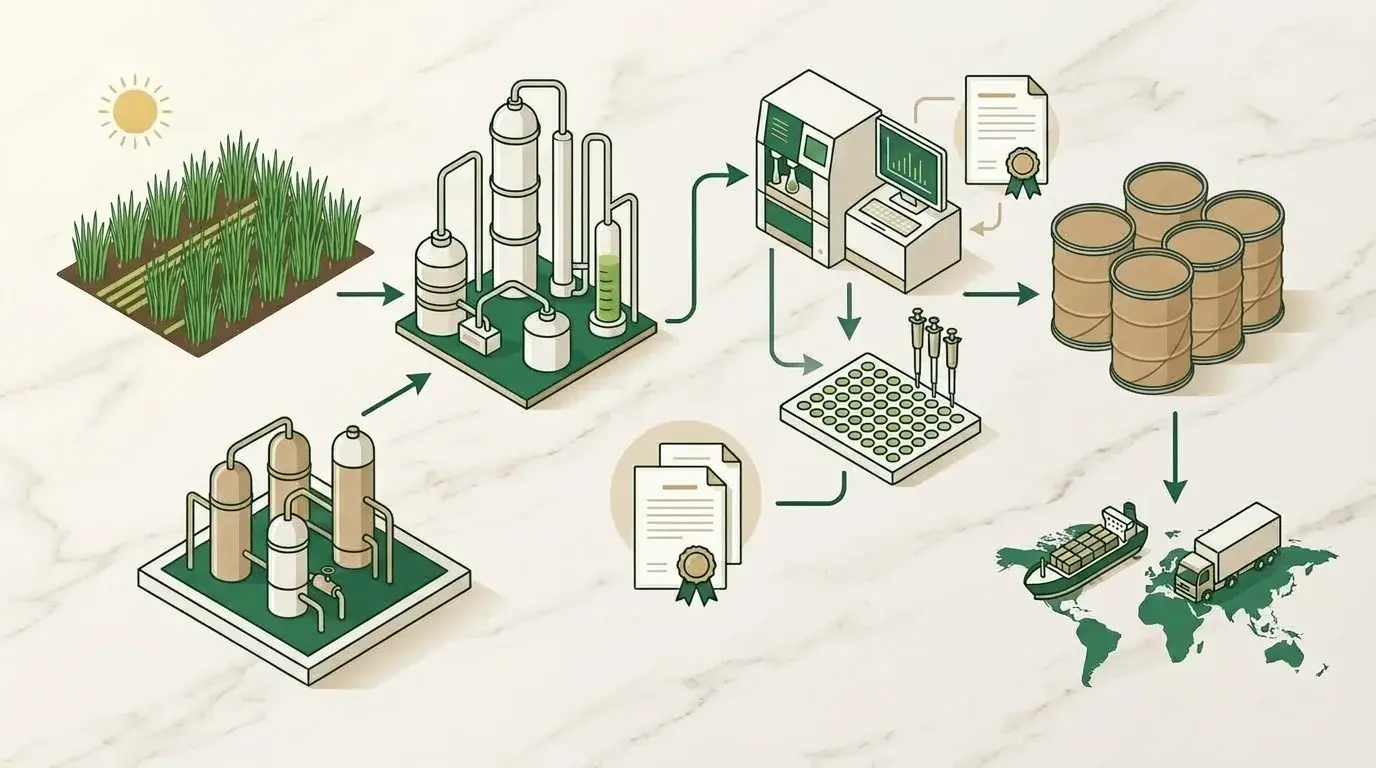
Established in 1992 in Changsha, Hunan, world-way biotech inc. has a fully integrated supply chain that includes its own 67-hectare plantation bases and a 3,000-ton-per-year extraction facility with HPLC-MS, GC-MS, and ICP-MS analytical equipment. When they are in charge of global market compliance, procurement managers and QA leaders need this level of traceability.
When a business-to-business client is looking at Barley Grass Extract suppliers, they should always ask for the following paperwork:
- One Certificate of Analysis (COA) for each lot
- Statement on allergens and MSDS
- Declaration of non-GMO
- ELISA test results (<20 ppm) to confirm gluten status
- Organic certificates that can be used
World-Way's normal packaging is 25 kg/drum, and they offer free samples for trial purposes. The lead time is 10 days. The product has been approved as ISO9001, FSSC22000, Kosher, and Halal, which are the most important standards for U.S., European, and Middle Eastern markets.
Conclusion
In the market for ingredients worldwide, Barley Grass Extract holds a flexible and scientifically sound place. Its well-balanced biological profile includes chlorophyll, SOD, β-glucan, vitamins, and minerals, which makes it useful for a wide range of products, from immune boosters to functional drinks and skin care mixtures. This extract is a good investment for formulators, product developers, and procurement managers who want a standard, multi-certified green ingredient that is easy to get and comes with good technical support. From planting to production, World-Way uses a combined method that makes sure the quality is the same in every batch and every market.
FAQ
Does barley grass extract contain gluten?
Pure extract from the leaf stage, before the grain forms, is theoretically free of gluten. Buyers should ask for ELISA test results (detection limit <20 ppm) for each batch to make sure that there was no cross-contamination during processing or harvesting.
Which extract concentration is right for capsule applications?
The 50:1 compressed form gives you the phytochemicals of a much bigger raw leaf volume in a 500mg capsule. This makes it perfect for high-density detox or antioxidant-support SKUs where the number of pills can make people less likely to follow through.
Will SOD activity survive thermal processing?
Proteins make up SOD, and they break down above 60°C. Enzymes will stop working in foods that need to be pasteurized with heat. It is best to use cold-fill manufacturing or dry blending when SOD claims are part of how the product is positioned.
What is the shelf life of the powder form?
The extract stays stable for 24 months if it is kept below 25°C in containers lined with AL foil and the relative humidity is below 45%. Because it absorbs water, it needs to be stored in a controlled setting.
How does the 10:1 ratio compare to raw powder?
A 10:1 extract takes 10 parts of raw leaf and turns them into 1 part of extract, leaving behind the insoluble cellulose. This makes final formulas easier to mix, more bioavailable, and more consistent in dose.
Partner With World-Way for Premium Barley Grass Extract Supply
World-Way Biotech Inc. is a reliable company that makes Barley Grass Extract for nutrition brands, food companies, and cosmetics companies in more than 60 countries. We can help you start your next product because our production is vertically integrated, we have multi-market certifications, our lead time is 10 days, and we offer free samples. To talk about formulation needs, unique specs, or bulk prices, email our expert team at info@world-way.net.
References
1. Zeng, Y. et al. "Antioxidant and hepatoprotective activities of saponarin from young barley leaves." Food Chemistry, 2018.
2. Paulíčková, I. et al. "Evaluation of barley grass as a functional food component." Czech Journal of Food Sciences, 2007.
3. Ehrenbergerová, J. et al. "Effect of growth conditions on the content of GABA and other amino acids in barley sprouts." Plant Foods for Human Nutrition, 2008.
4. Yu, Y. M. et al. "The flavonoids of the young green barley leaves inhibit production and secretion of interleukin-1β from lipopolysaccharide-stimulated murine macrophages." Journal of Nutritional Biochemistry, 2002.
5. Kanauchi, O. et al. "Modulation of intestinal environment by long-term administration of germinated barley foodstuff." International Journal of Molecular Medicine, 2003.
6. Kamiya, T. et al. "SOD-like activity of barley grass extract on oxidative stress response." Bioscience, Biotechnology, and Biochemistry, 2012.
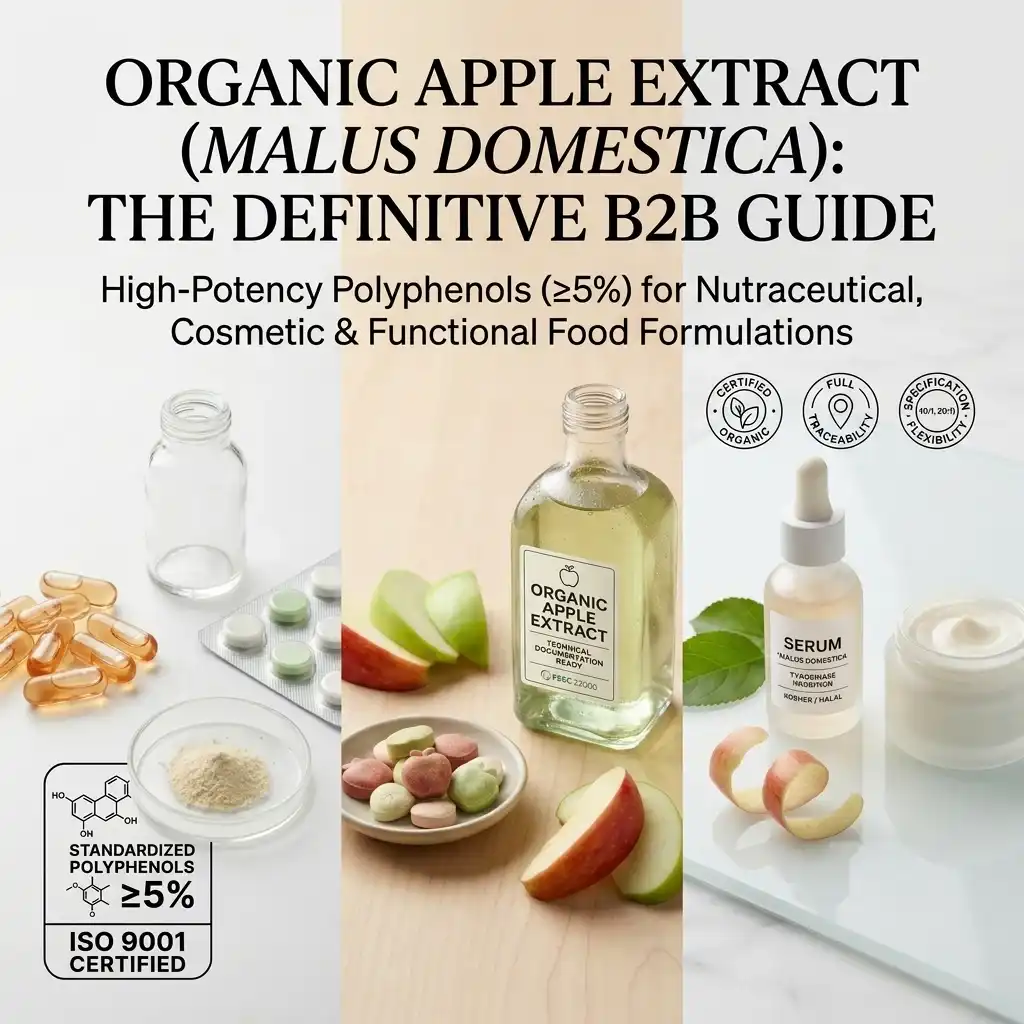
Discover the Natural Power of Organic Apple Extract
VIEW MOREOrganic apple extract has quietly become one of the most sought-after botanical ingredients in the global nutraceutical, cosmetic, and functional food industries. Derived from Malus domestica, this concentrated ingredient delivers a powerful matrix of apple polyphenols — including phloridzin, chlorogenic acid, and catechins — that raw apple products simply cannot match in potency or formulation flexibility. Whether you are an R&D director evaluating antioxidant actives or a procurement manager sourcing clean-label ingredients at scale, understanding what sets a premium apple extract apart is essential to making confident sourcing decisions.
What Makes Organic Apple Extract Nutritionally Distinct
Not every ingredient that comes from apples is the same. Organic Apple Extract is different from regular Apple Extract because the fruit used for it is grown without using chemical fertilizers or pesticides, and the process of extracting it is designed to concentrate beneficial substances instead of diluting them.
A Rich Profile of Bioactive Compounds
World-Way's Apple Extract powder is standardized to polyphenols ≥5%. It has active ingredients like phloridzin (a chalcone that is only found in apples), chlorogenic acid, and procyanidins ranging from 3% to 15%, depending on the requirement. These chemicals play a big role in antioxidant activity. A study in the Journal of Agricultural and Food Chemistry shows that apple polyphenols have ORAC values that can be measured and stop lipid peroxidation at amounts that are physiologically relevant. The fine, off-white to light brown powder goes through an 80-mesh screen 95% of the time, with less than 5% moisture and less than 5% ash. This makes sure that the uniformity from batch to batch that formulation teams rely on.
In addition to being an antioxidant, chlorogenic acid helps the body's glucose metabolism by changing how much glucose is made by the liver, and phloridzin blocks SGLT. These are two actions that have gotten a lot of attention from people who are making supplements for metabolic health.
Skin Health and Tyrosinase Inhibition
The extract's ability to stop tyrosinase from working makes it a scientifically sound alternative to synthetic brightening agents that can be used in cosmetics and personal care products. Tyrosinase is the main enzyme in the production of melanin. Blocking it at its source can even out your skin tone, which is in line with the growing demand for plant actives. Because of this, World-Way's apple powder is used to make skin serums, beauty supplements, and sheet masks.
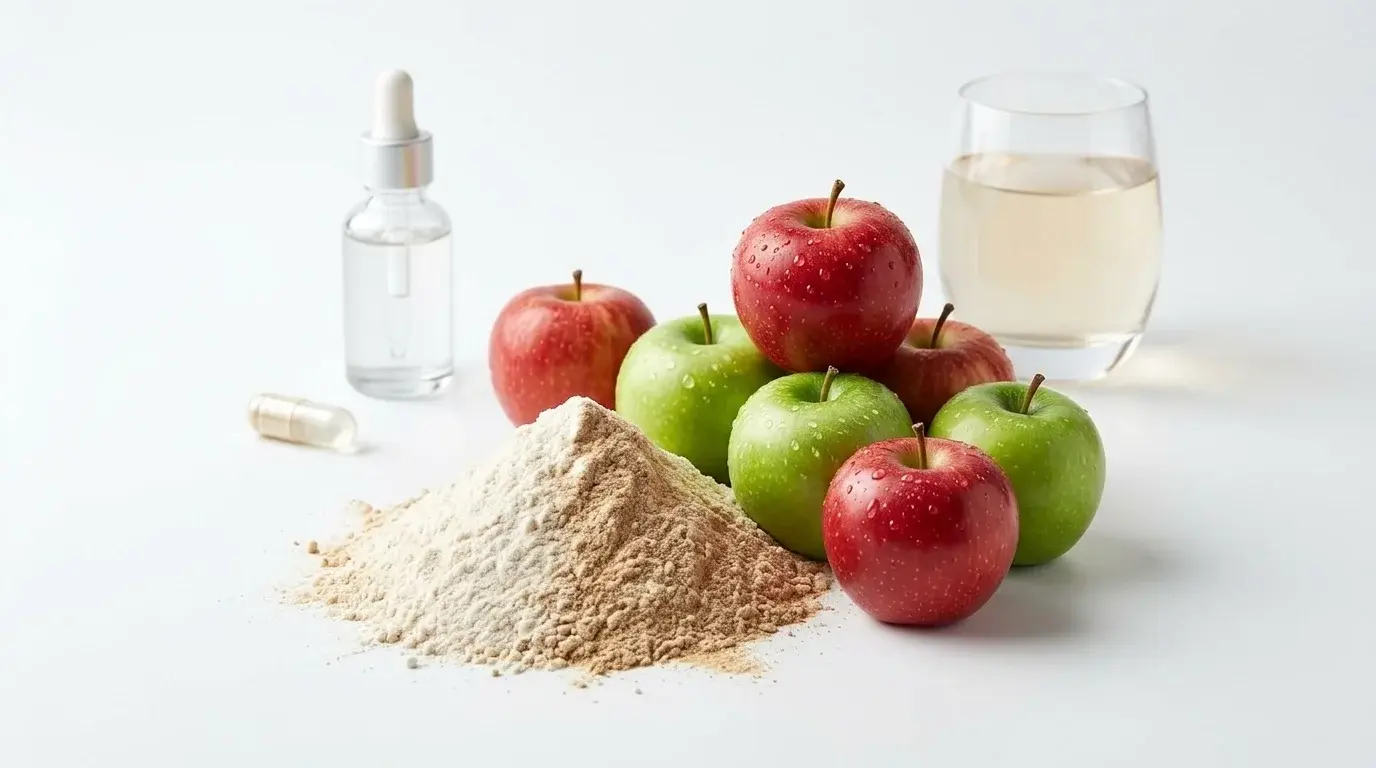
Organic Apple Extract vs. Other Apple-Derived Ingredients
When purchasing ingredients, people often want to know how Apple Extract stacks up against apple cider vinegar, apple juice concentrate, or plain fruit products. The answer is very important for the success of the formulation and the regulatory standing.
Apple cider vinegar's main active ingredient is acetic acid, and it has a very low normal polyphenol level. There is a lot of fructose in apple juice concentrate, which makes it hard to use in low-sugar products because it absorbs water. Even though generic apple powder is cheap, it is not standardized enough to be used in clinical or cosmetic settings.
In contrast, organic Apple Extract is created through membrane filtration or solvent extraction to concentrate particular bioactive markers while removing sugars and other unwanted substances. This makes a high-potency ingredient that can be used again and again and has a known amount of polyphenols. It meets the requirements for documentation and effectiveness in regulated markets. As label openness rules get stricter, this difference becomes more important for business buyers in the EU and the US.
Procurement Guide: Sourcing Apple Extract in Bulk
To find a lot of apple polyphenol extract, you have to use a specific set of factors to judge each seller. Price alone isn't a good indicator; what counts is where approved quality, manufacturing capacity, and the amount of regulatory paperwork meet.
When skilled R&D and buying teams look at a supplier, these are the main things they look for:
- Certifications and compliance: ISO9001, FSSC22000, Kosher, and Halal are all certifications that World-Way's Apple Extract has. These certificates show that the facility follows food safety and quality management systems that have been checked by foreign organizations. This is needed to get into the North American and European markets.
- Specification flexibility: It comes in 10:1 and 20:1 ratio extracts as well as pure freeze-dried powder, and the amount of polyphenols can be changed to fit the goal dose of your product. The packaging is 25 kg per drum, and the lead time is 10 days. You can get free samples to test their quality.
- Technical documentation readiness: World-Way offers regulatory dossiers, non-GMO declarations, allergen statements, and COAs. This is the full set of documentation that regulatory affairs teams need to register a product in more than one country.
- Vertical integration: World-Way runs its own planting bases that cover more than 67 hectares, an ultramodern extraction center that can process more than 3,000 tons of material every year, and an analytical lab with HPLC-MS, GC-MS, and ICP-MS equipment. This integrated system immediately leads to stable prices and a steady supply.
All of these criteria work together to lower the risk of procurement and shorten the time it takes to go from qualifying ingredients to commercial launch. If a supplier can't show this level of integration and paperwork detail, they add needless uncertainty to your supply chain.
Applications Across B2B Industries
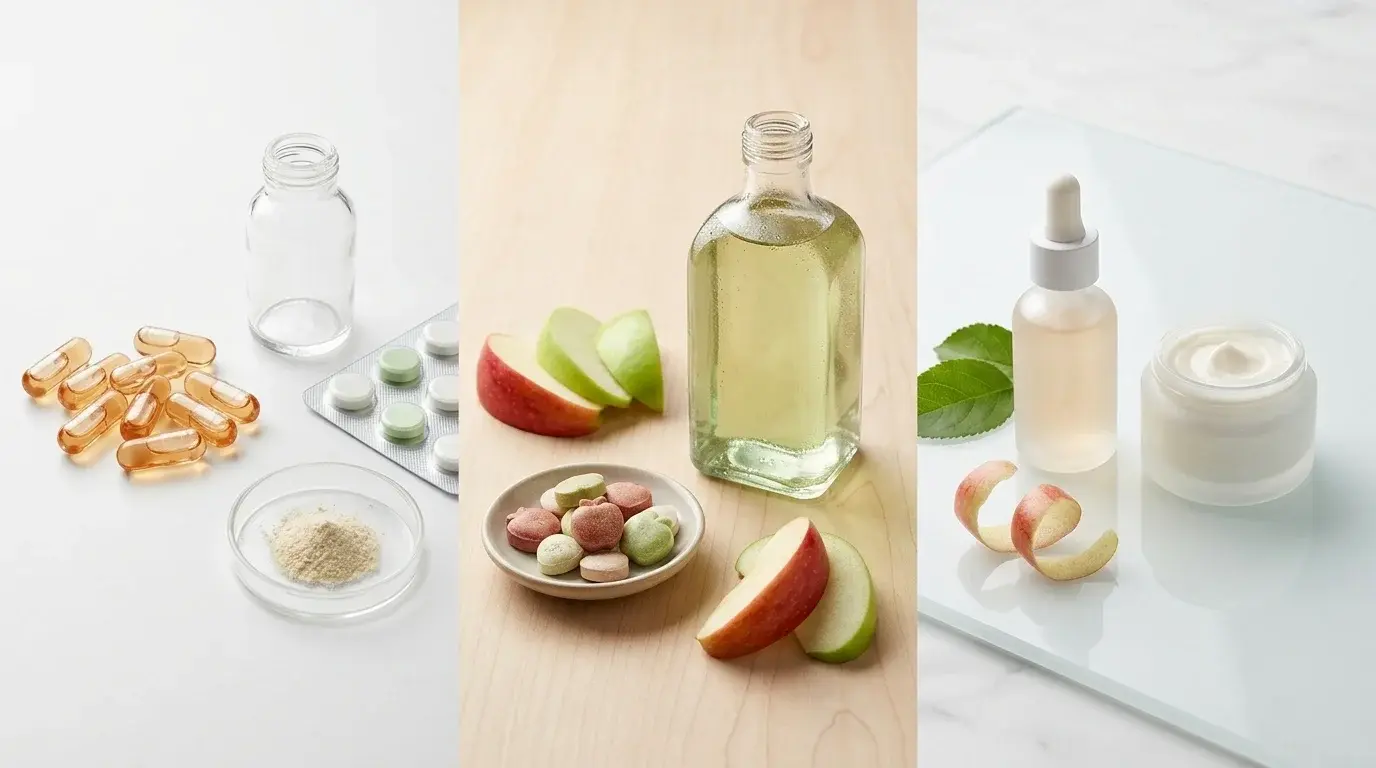
One of the best things about apple polyphenol extract for business is that it can be used in a lot of different types of products. Formulators in a number of different fields have used it to make great product lines.
Nutraceuticals and Dietary Supplements
Standardized Apple Extract comes in pill and tablet forms and is said to help with metabolism and provide antioxidants that can be measured. Supplement brands that aim to control blood sugar, improve gut health, and protect cells have used phloridzin-rich parts to make their goods stand out in a crowded market.
Functional Food and Beverage
Spray-dried apple powder from World-Way has a mild flavor and dissolves easily in water, which makes it a good choice for functional drinks, pressed candies, and baked goods that need extra nutrition. People who care about their health will like that it has a clean label, which means it doesn't have any fake ingredients. This fits with the natural product positioning that makes people want to buy in the U.S. market.
Cosmetics and Skincare
Anti-aging serums and brightening creams that contain polyphenols from apples are popular with customers, especially as the beauty industry moves away from synthetic actives. The tyrosinase inhibition mechanism has a scientifically measurable effect that appeals to both formulators and end users who want beauty goods that are backed by evidence.
Safety Profile and Regulatory Compliance
Malus domestica is the source of Apple Extract, which has a long history of safety. That means it is generally thought to be safe (GRAS) for use in food in the US, and the toxicological safety of its polyphenol components at useful dosage levels has been widely studied in peer-reviewed literature.
For products to be sold all over the world, sourcing teams should make sure that the paperwork their suppliers send them meets FDA labeling rules for dietary supplements, EU Novel Food rules (if they apply), and Codex Alimentarius standards for plant ingredients in food. World-Way's compliance infrastructure, which includes FSSC22000, ISO9001, Kosher, and Halal, gives multi-market product registration the proof it needs, without the delays that come with working with suppliers who aren't as regulated.
People who are known to be allergic to apples should be careful, and formulators who work with concentrated extracts should follow established dosage rules backed by clinical literature instead of drawing from data on how much whole fruit is eaten.

Conclusion
Organic Apple Extract is one of a kind botanical ingredients because it has a lot of scientific support, can be used in a lot of different ways, and has a clean label that works for nutraceuticals, cosmetics, and functional foods. The Apple Extract from World-Way is standardized to polyphenols ≥5% and made in ISO9001 and FSSC22000-certified facilities. It gives sourcing and research and development teams a solid, well-documented ingredient to build on. Vertical supply chain integration, flexible specification options, and full regulatory support make it a smart choice for brands that care about both effectiveness and compliance.
FAQ
What is the standard polyphenol content in World-Way's Apple Extract?
World-Way's Apple Extract is standardized to have polyphenols of at least 5%. Its main ingredients are phloridzin, chlorogenic acid, and catechins. Depending on the needs of the product, higher concentrations (up to 15% polyphenols) are possible.
What certifications does the product carry?
The item is certified as ISO9001, FSSC22000, Kosher, and Halal. These include managing food safety, setting up quality systems, and making sure that foreign markets follow nutrition rules.
Is a free sample available?
Yes, you can get free samples, and the wait time is usually 10 days. 25 kg per drum for business packing.
What applications is it suited for?
It is made to be used in functional drinks, cosmetics, bakery goods, pressed sweets, and dietary supplements—anywhere a normal antioxidant or skin-brightening plant active is needed.
How does organic apple extract differ from apple cider vinegar?
Acetic acid is the main ingredient in apple cider vinegar. Organic Apple Extract, on the other hand, concentrates antioxidants like phloridzin and chlorogenic acid. These have completely different roles to play in formulation.
Partner With World-Way for Reliable Apple Extract Supply
Since 1992, world-way biotech inc. has provided approved plant products backed by science to supplement, food, and cosmetic brands around the world. We are a reliable Apple Extract manufacturer with a fully integrated supply chain that runs from the plantation to production. We offer consistent quality, full regulatory documentation, and easy OEM customization. Get your free taste today and see what a difference 30 years of experience in extraction can make. Email us at info@world-way.net to talk about your needs.
References
1. Boyer, J., & Liu, R. H. (2004). Apple phytochemicals and their health benefits. Nutrition Journal, 3(1).
2. Knekt, P., et al. (2002). Flavonoid intake and risk of chronic diseases. American Journal of Clinical Nutrition, 76(3).
3. Wolfe, K., Wu, X., & Liu, R. H. (2003). Antioxidant activity of apple peels. Journal of Agricultural and Food Chemistry, 51(3).
4. Shoji, T., et al. (2005). Phloridzin and procyanidin B2 in apple polyphenol fractions and their biological activity. BioFactors, 23(4).
5. Gallus, S., et al. (2005). Does an apple a day keep the oncologist away? Annals of Oncology, 16(11).
6. Thilakarathna, S. H., & Rupasinghe, H. P. V. (2013). Flavonoid bioavailability and attempts for bioavailability enhancement. Nutrients, 5(9).
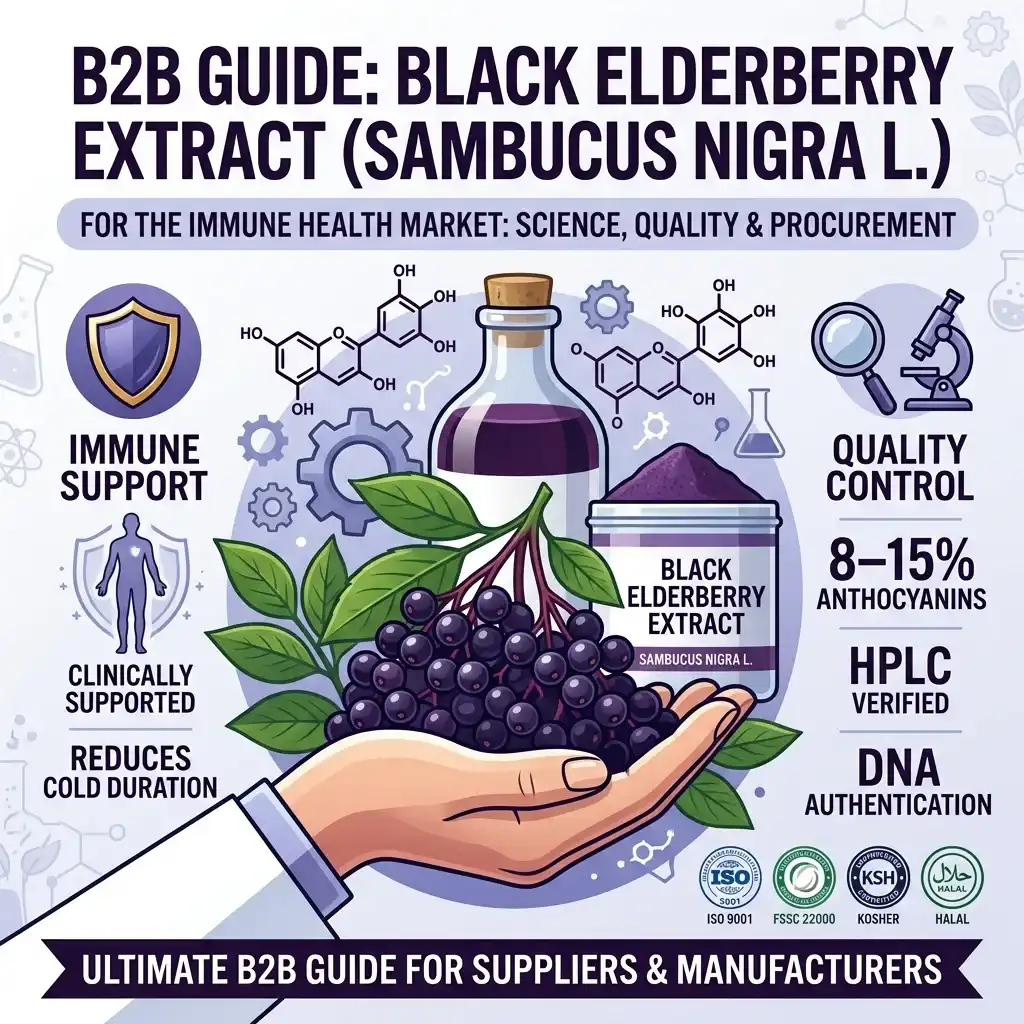
Black Elderberry Extract for Botanical Ingredient Blends and OEM Production
This article provides a comprehensive B2B guide to Black Elderberry Extract (Sambucus nigra L.) as a scientifically supported botanical ingredient for the immune health market. Rich in cyanidin-based anthocyanins (8–15%), flavonoids, and phenolic acids, the extract delivers measurable antioxidant and antiviral activity, with clinical trials supporting its role in reducing cold duration and inhibiting influenza A and B replication. The article covers standardization options (ratio extracts vs. fixed anthocyanin specifications), key quality parameters including HPLC verification, DNA authentication, heavy metal and pesticide compliance, and solvent residue limits. It also addresses formulation compatibility with echinacea, astragalus, and vitamin C, pH stability (3.0–4.5), clean-label positioning, and storage requirements. Finally, it outlines procurement strategies for bulk and OEM production, emphasizing vertically integrated suppliers, complete technical documentation, and certifications such as ISO9001, FSSC22000, Kosher, and Halal.VIEW MORE
How Do Manufacturers Use Beet Root Powder in Beverage Formulations?
This article examines Beet Root Powder as a standardized, water-soluble functional ingredient for beverage formulations, delivering dietary nitrates, betalains, and betaine in a shelf-stable format. Derived from Beta vulgaris L., it dissolves cleanly into liquids and serves a dual role as both a natural colorant and a performance ingredient, compatible with juice blends, functional waters, pre-workout drinks, and RTD wellness shots. The article covers its positioning across beverage categories, dosage and solubility best practices (500–3,000 mg per serving), color retention and taste considerations, and key commercial advantages including cardiovascular positioning, clean-label coloring, and cost-competitive bulk procurement. It also compares beet root powder with juice concentrate and other beet-derived forms, and outlines certification requirements such as ISO9001, FSSC22000, Kosher, and Halal. Finally, it highlights future trends in delivery formats and supply chain transparency, providing procurement and R&D teams with practical guidance for selecting a reliable, vertically integrated supplier.VIEW MORE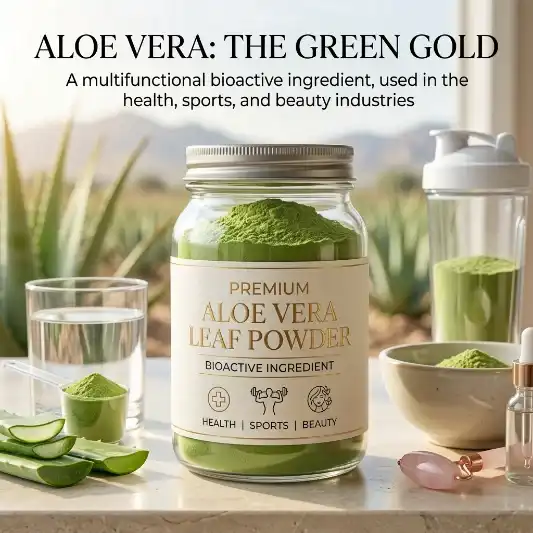
10 Surprising Health Benefits of Aloe vera Leaf Powder
VIEW MOREBioactive compounds in Aloe Vera Leaf Powder are very strong and change the way health, exercise, and beauty goods are made. Unlike fresh gel or liquid extracts, this steady powder form has the same amount of aloe polysaccharides (often at ≥10%), vitamins, minerals, and antioxidants that stay active while it is being made and while it is being stored. Knowing these ten benefits of this plant extract can help people who buy things find ingredients that are scientifically sound and can be used in many ways. It can also help businesses follow the rules set by regulators and meet customer needs for natural, useful ingredients in functional foods, skin care products, and nutraceuticals.
What Is Aloe Vera Leaf Powder and How Is It Made?
Aloe Vera Leaf Powder originates from Aloe barbadensis Mill., also known as aloe vera. Most of the time, this plant is grown in warm, humid places like Hainan, Yunnan, and Fujian provinces in China. Gathering ripe aloe leaves is the first step in making something. This is when they have the most carbohydrates. This often takes place three to five years after the plant has grown fully. Freeze-drying or spray-drying is used to control the loss of water in leaf powder. This keeps biological chemicals safe and makes an ingredient that can be kept for a long time. This is not the same as aloe juice or gel, which are very wet and need to be kept cool.
Manufacturing Process and Quality Parameters
The way World-Way does business is a good example of how things should be done. To get rid of the skin on the outside, fresh leaves are washed and clipped right away. After the pulp is taken out, the leaves are dried at controlled temperatures that keep chemicals that are sensitive to heat safe. The powder is put through 80-mesh screens to make sure that 95% of the pieces are round, which is important for making sure that recipes work. It is important that the moisture content and ash content are both less than or equal to 5%. These levels keep bacteria from growing and make sure the product stays stable over time. With this method, you can make a fine, light yellowish-white powder that has a polysaccharide content of 10% to 50%, depending on the extraction ratios.
Nutritional Profile and Bioactive Compounds
Many substances make up the powder, which is what makes it strong at healing. Acemannan and other polysaccharides in aloe help the body's defense system and encourage the growth of good germs. Controlled amounts of aloin (18% in some extracts) are good for your gut health, and aloe-emodin kills bacteria very well. There are also minerals in the powder, such as calcium, magnesium, and zinc, as well as vitamins B1, B2, B6, C, and E. You can use this item if you want to get a lot of benefits from a single plant source because it has a lot of minerals.
10 Surprising Health Benefits of Aloe Vera Leaf Powder
Either a clinical study or years of use by people have shown that this plant product can help many parts of the body. Product makers have good reasons to use this ingredient in a lot of different ways because it has these benefits.
Digestive System Support and Gut Health
Aloe's polysaccharides are prebiotic, which means they help good bacteria grow in the gut. A new study says that these chemicals help certain types of bacteria (Bifidobacterium and Lactobacillus) grow while keeping the gut barrier healthy. The mucilaginous parts of the powder protect the insides of the digestive system, which reduces the swelling that comes with having irritable bowel syndrome. This ingredient is useful in digestive health products that aim to protect the mucosa and change the bacteria. This makes the gut feel better and keeps it normal.
Advanced Skin Healing and Regeneration
Aloe vera Leaf Powder has a high carbohydrate content that helps wounds heal faster in more than one way. Studies in humans have shown that increased fibroblast and collagen production speeds up the healing process for small cuts, scrapes, and burns. Anti-inflammatory compounds inhibit cyclooxygenase (COX) activity, reducing heat and swelling. These properties can be used in topical cosmeceuticals, such as after-sun creams, burn gels, and post-surgery skincare products, where promoting cellular repair and reducing inflammation are essential.
Immune System Modulation
Acemannan is the main immunoactive polysaccharide that makes macrophages work harder and makes more cytokines, which makes the body's defenses stronger. More nitric oxide and tumor necrosis factor-alpha are being made. These are important chemicals that help the defense system talk to other cells. Since the powder makes the immune system stronger, it can be used in exercise products that help the immune system during certain times of the year and in general. It works especially well in goods that are aimed at health-conscious people who want to learn how to eat better to stay healthy.
Blood Sugar Regulation
Several tests on people have shown that aloe can help those who have high blood sugar keep their levels in check. Changing how glucose is used in the body and making insulin work better are two steps that are recommended. There are proper ways to measure these effects, and they shouldn't be used instead of medical care. However, they can be useful in metabolic health recipes. As long as the rules don't get in the way, buying teams can use the scientifically proven benefit of making products that help with blood sugar in their marketing and claims.
Cardiovascular Health Support
Low LDL cholesterol and fat levels may be improved by aloe polysaccharides, according to a new study. HDL values stay the same. Oxidative stress is linked to the buildup of plaque in the arteries. Antioxidants, like vitamins C and E, fight this stress. This protein is often found in heart health items and foods that are good for older people who want to keep their circulatory systems healthy because they are good for the heart.
Oral Health and Hygiene
As an antimicrobial, the powder kills mouth bacteria such as Streptococcus mutans and Porphyromonas gingivalis, which are major causes of gum disease and cavities. The anti-inflammatory effect makes gums less swollen and bleed. Because of these traits, the product can be used to make natural toothpaste, mouthwash, and oral gel. More and more people like antimicrobials from plants better than those made in factories.
Antioxidant Protection Against Cellular Damage
The powder has many different chemicals that work together to protect against free radicals. These include vitamins C and E, beta-carotene, and polyphenolic compounds. Free radicals play a part in getting older, getting chronic diseases, and how the body responds to stress from the outside world. They are taken care of by this network of antioxidants. This ingredient can be found in anti-aging vitamins, performance nutrition products that target oxidative stress from exercise, and beauty-from-within products that protect skin from photoaging because it can stop a lot of different kinds of damage.
Anti-Inflammatory Effects Across Body Systems
Inflammatory chemicals like prostaglandins and leukotrienes can't do their job because aloe chemicals change the cyclooxygenase and lipoxygenase pathways. This effect on the body as a whole reduces inflammation, which is good for many conditions characterized by long-term inflammation, such as skin irritation and painful joints. Scientists use this process to find ways to use the powder in goods for sensitive skin, sports recovery, and joint health, with one of their main goals being to lower inflammation.
Hydration and Moisture Retention
Aloe vera Leaf Powder contains polysaccharides that are hygroscopic, which means they can hold water molecules with their structure. When applied to the face, this helps the skin stay hydrated and better protected. These compounds may also help nasal tissues throughout the body remain moist. Powder that helps maintain skin moisture is ideal for dry-skin recipes, moisturizing masks, and beauty products designed to hydrate the skin from the inside out.
Detoxification and Liver Support
Aloe chemicals may help the liver work better by making bile move more easily and improving the activity of antioxidant enzymes in liver cells, according to early research. A lot more research needs to be done on humans, but research on animals suggests that it might be possible to help the body's natural cleaning processes. If you make cleanse and detox products, this new area of health benefits could be good for you. But claims have to follow the rules set by the government and match the present body of evidence.
图片尺 寸 350x350寸 350
 x350
x350Aloe Vera Leaf Powder vs. Other Aloe Products: Making the Right Choice for Your Business
When you know the differences between product types, you can buy things that are best for both making and end uses. Aloe vera comes in a number of different forms, including fresh gel, stable juice, whole leaf extract, and dry powder. Each has good and bad points.
Stability and Shelf Life Considerations
Aloe gel that is still fresh is mostly water and goes bad fast if it is not kept cool. Because of this, it is not helpful in most work environments. Juice that has been processed and fixed will last longer, but it will have more liquid in it, which makes it harder to make powders. Whole leaf powder can be kept for up to two years in places that keep the temperature below 25°C and don't get too wet. This is because it is most stable when made from whole leaves. This benefit of stability cuts down on waste, makes it easier to keep track of goods, and lets you set fluid production plans without having to worry about raw materials breaking down.
Formulation Flexibility and Processing Efficiency
You don't have to do any extra work to add the powder form to drinks, pills, tablets, powder mixes, or drinks that have been restored. The powder has a controlled particle size (95% passing 80 mesh) and a standard moisture content (≤5.0%), which makes it easy to move through packing machines and spread out evenly in liquid systems. There is a clear solution made from World-Way's powder when it mixes with water. This is an important quality for drinks because cloudiness can make people not like the product as much. When working with liquid extracts, you need special pumps and measuring tools. This processing speed makes it easier to make things.
Concentration and Dosing Precision
Standardized polysaccharide content, proven by HPLC testing, lets you guess the exact amounts you need to make vitamins and follow the rules. The extraction rates at World-Way are between 100:1 and 200:1. These concentrations help you find the best value for money and health benefits. This rule is very different from fresh gel or juice, where each batch is different because of the plants that were used. This exact dosage helps sourcing teams make products with the right therapeutic placement, which backs up what the label says and makes sure that all customers have the same experience.
Certification and Compliance Advantages
A good powder company will keep a full set of certificates for Aloe vera Leaf Powder, such as ISO9001, FSSC22000, Kosher, Halal, and, if needed, organic certifications. Every year, these licenses are checked to ensure that the Aloe vera Leaf Powder meets safety and quality standards around the world. The set of paperwork includes Certificates of Analysis, MSDS, food statements, and non-GMO declarations. This makes it easy to provide documentation to officials in various markets and is very helpful for businesses that sell Aloe vera Leaf Powder globally, where regulations may differ.
Procurement Guide: How to Source High-Quality Aloe Vera Leaf Powder in Bulk
When you do strategic buying, you plan how you will look at a supplier's quality systems, expert help, and how well their supply chain works. These guidelines can help you decide what to buy so that you can form relationships that lower risk and increase value.
Certification Verification and Quality Systems
As a first step in your evaluation, check the supplier's certificates to make sure they are still good instead of relying on what they say on their website. Valid certificates have the names of the organizations that issued them, clear subject lines, and dates when they end. GFSI benchmarking recognizes FSSC22000 approval as a sign of strong food safety management. It includes base programs, HACCP concepts, and management system standards. Foods that are certified as Kosher or Halal show that they follow religious food rules. This is important for products that are meant for certain groups of people. If there are audit records, you should ask for them. They show nonconformances and steps to fix them, which shows how open and dedicated the provider is to always getting better.
Analytical Testing and Quality Control Protocols
Ask for full Certificates of Analysis that include tests for identity, strength, toxins, and bacteria limits. HPLC should be used to check the carbohydrate level and make sure it meets the needs. If asked, chromatograms can be given. An ICP-MS test for heavy metals should show that the amounts of lead, arsenic, cadmium, and mercury are below the standards set by the world's governments. Pesticide residues, which contain more than 400 different chemicals, are checked to make sure that crop supplies are safe. Microbe tests should show that the total plate counts are less than 1000 CFU/g and that there are no pathogens, such as E. coli, Salmonella, and Staphylococcus aureus. Manufacturers who have their own labs with HPLC-MS, GC-MS, and ICP-MS tools show that they know how to do real-time quality control.
Supply Chain Transparency and Traceability
Start thinking about how to buy things at the level of creation. If you compare suppliers who own or have contracted-managed farm bases to brokers who buy on the spot market, they offer more stable supplies and better quality. World-Way's businesses cover growing areas in southern China. Find out how the plants were grown, when they were picked, and how they were handled afterward. All of these things have an impact on the amount of active chemicals that are present. Traceability tools link a lot of finished products to specific groups of crops. So, problems with the quality can be fixed quickly, and boasts of organic or local origin can be backed up.
Bulk Ordering Strategies and Logistics Management
You should talk about price plans that are fair and take into account the amount of sales. Usually, the lowest amount you can buy is between 25 kg and 500 kg, but it depends on the seller. The price drops as the number rises. Goods stay dry and clean while they're being shipped in standard 25 kg fiber drums with food-grade plastic covers. Stock items with lead times of 10 days or less make it easy to keep track of supplies. However, production plans may need to be pushed back for items with special requirements. See what they can do by checking out the stores at both the seller and the site. The things may not be as good if they are stored badly or if they are exposed to air. For a lot of use, you might want to set up inventory plans that are handled by a provider. In this way, you can keep things handy without having to pay for storage space.
Custom Manufacturing and Private Label Services
Better service providers can help with creating and private-label manufacturing, which makes it faster for new goods to hit the market. It is very helpful to use these services when mixing aloe powder with other plants or nutrients that work well with it. You should be able to change the particles' size, make them more liquid through co-processing, and check how stable they are in conditions that make them age faster. To protect your recipe investments, ask for case studies or references from customers who have had custom projects go well. Also, make sure you know how intellectual property will be protected.
Conclusion
There's proof that Aloe vera Leaf Powder is good for you. It can improve skin care, support the immune system, and promote heart health. It can be used in many ways, such as in vitamins, cosmetics, and health-promoting foods. When making strategic purchases, it’s important to evaluate suppliers based on the accuracy of their certifications, the thoroughness of their testing, the transparency of their supply chain, and the quality of their technical support. Building a relationship with a supplier can reduce risk while still allowing for the introduction of new products. World-Way Biotech achieves this through its own cultivation bases, advanced extraction technology, comprehensive quality management, and friendly customer service. Choosing suppliers with a proven track record of quality, compliance, and technical expertise helps you stay competitive in markets that demand natural ingredients validated by scientific research.
FAQ
What is the typical shelf life of aloe vera leaf powder under proper storage conditions?
If you store Aloe Vera Leaf Powder the right way, it will work for 24 months after you make it. Containers must be stored in cool, dry places that are below 25°C and have a relative humidity of less than 60%. The biggest risk of breakdown is coming into contact with water, since hygroscopic polysaccharides soak up water from the air. This makes it easy for microbes to grow and enzymes to break down. The first-in-first-out rule should be used to change inventory, and old inventory should be tested often to make sure it still meets requirements.
How does polysaccharide standardization impact product efficacy and regulatory compliance?
HPLC analysis is often used to check the standardized polysaccharide content. This makes sure that the same amount is used for each batch of output and that the biological effects are always the same. This uniform helps the review process for regulators and backs up claims that food items have the right structure and function. Specifiers that say "polysaccharides ≥10%" mean that the product will work at a basic level. Higher standards (20%, 30%, or 50%) let you use smaller amounts or place the product more effectively in the body. When you buy something, the contract should say how to test it, what the acceptance criteria are, and how to turn down batches that don't meet those criteria.
Can aloe vera leaf powder be incorporated into both water-based and oil-based formulations?
When you mix good powder with water, you get clear solutions that can be used in drinks, syrups, and gelatin makeup. When working with oil, you need to either use pre-dispersion methods or extraction forms that have been mixed with carriers that break down in oil. The way World-Way does it keeps the polysaccharide structure while drying the powder. This makes a powder that dissolves fully in water. Because pH, temperature, and other ingredients can change how the product spreads and how stable it is in the end, formulators should test to see if it works in their own systems.
Partner with World-Way for Premium Aloe Vera Leaf Powder Supply
It is safe to buy Aloe Vera Leaf Powder from World-Way Biotech. They've been taking plants out for 30 years and work with more than 500 companies in 60 different countries. All of our goods are of the same high quality, and big orders are delivered on time thanks to our fully connected supply chain. It includes owned cultivation bases in the best growth areas and factories that are ISO9001 and FSSC22000 approved. There must be standardized polysaccharides of at least 10%, controlled particle size with 95% passing 80 mesh, and full certification coverage, which includes Kosher and Halal. Our research and development team, which is led by well-known farming scientists, helps with creation and can prepare your product in a way that fits its needs. You can get free samples to see for yourself how good the quality is. We also offer fast shipping (10 days) and all the technical paperwork you need to support regulatory applications all over the world. If you are in charge of purchasing and need a reliable source for Aloe Vera Leaf Powder for long-term strategic buying, please email our team at info@world-way.net to talk about details, prices, and business opportunities that will help you come up with new products faster.
References
1. Hamman, J.H. (2008). "Composition and Applications of Aloe vera Leaf Gel." Molecules, 13(8), 1599-1616.
2. Sahu, P.K., Giri, D.D., Singh, R., Pandey, P., Gupta, S., Shrivastava, A.K., Kumar, A., & Pandey, K.D. (2013). "Therapeutic and Medicinal Uses of Aloe vera: A Review." Pharmacology & Pharmacy, 4(8), 599-610.
3. Radha, M.H. & Laxmipriya, N.P. (2015). "Evaluation of Biological Properties and Clinical Effectiveness of Aloe vera: A Systematic Review." Journal of Traditional and Complementary Medicine, 5(1), 21-26.
4. Hęś, M., Dziedzic, K., Górecka, D., Jędrusek-Golińska, A., & Gujska, E. (2019). "Aloe vera (L.) Webb.: Natural Sources of Antioxidants – A Review." Plant Foods for Human Nutrition, 74(3), 255-265.
5. Cock, I.E. (2008). "Medicinal and Aromatic Plants – Australia," in Encyclopedia of Life Support Systems (EOLSS), Developed under the Auspices of UNESCO. Oxford, UK: EOLSS Publishers.
6. Yagi, A. & Takeo, S. (2003). "Anti-inflammatory Constituents, Aloesin and Aloemanol, in Aloe species and Effects of Tanshinon VI in Salvia miltiorrhiza on Heart." Yakugaku Zasshi: Journal of the Pharmaceutical Society of Japan, 123(7), 517-532.
Does Schisandra Extract Powder Have Benefits?
This article provides a comprehensive overview of Schisandra Extract Powder as a scientifically supported adaptogenic ingredient for the health, sports, and beauty industries. Derived from Schisandra chinensis and standardized to 2–9% schisandrins, the extract offers consistent potency and superior formulation stability compared to raw berry powder. The article covers the extraction process, key bioactive lignans, and major health benefits—including liver detoxification, antioxidant and anti-inflammatory effects, stress reduction, cognitive enhancement, immune support, and sleep quality improvement. It also compares extract powder with whole berry powder, discusses organic versus conventional certification options, and outlines supplier evaluation criteria. Finally, a practical procurement guide addresses bulk purchasing economics, contract structures, logistics, dosage recommendations, safety considerations, and quality assurance protocols for B2B buyers seeking a reliable, certified supplier.VIEW MORE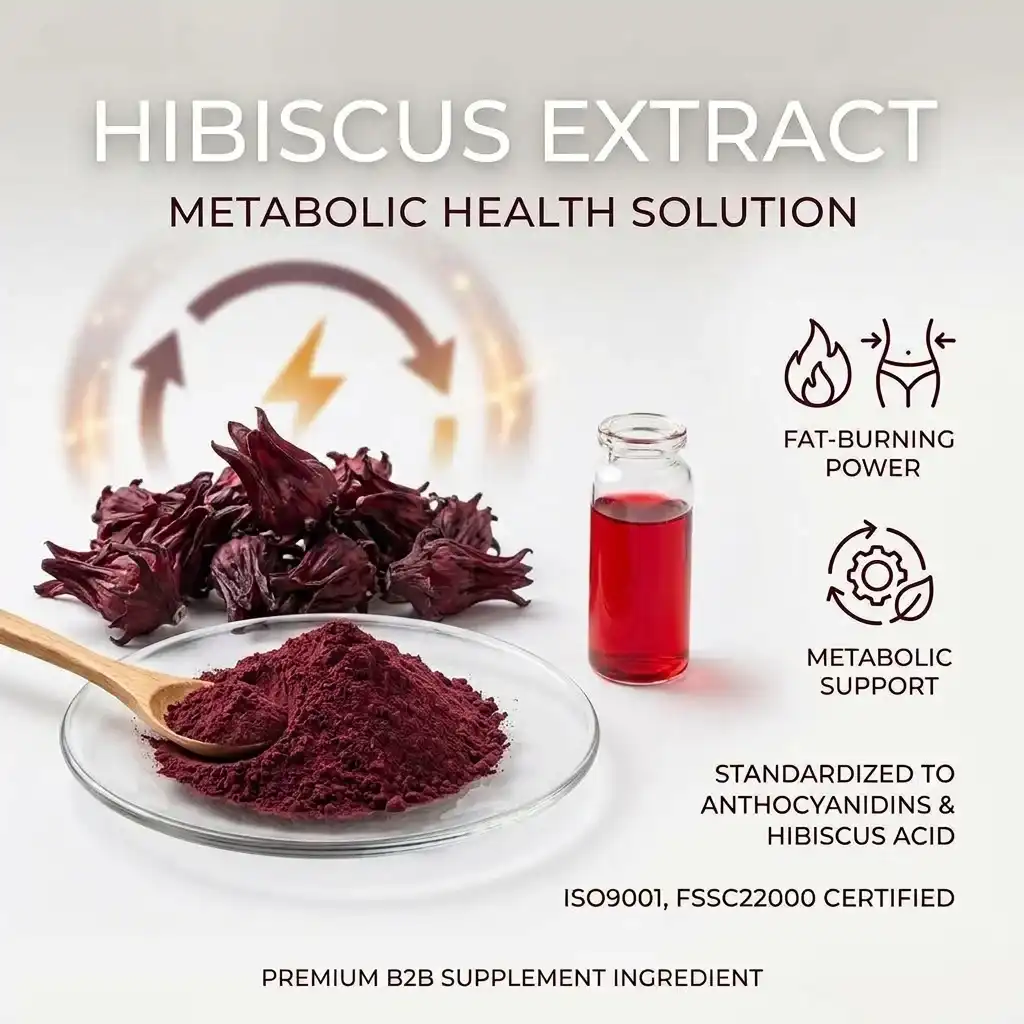
Can Hibiscus Extract Improve Metabolism and Fat Burning?
This article explores Hibiscus Extract as a scientifically supported ingredient for metabolic health and weight management. Rich in anthocyanidins and hibiscus acid, it activates AMPK to promote fat burning and inhibits carbohydrate absorption. The article covers key formulation parameters—including dosage (100–500 mg/day) and beverage pH requirements—as well as B2B procurement essentials such as certifications, supply chain integration, and safety documentation. It concludes with a supplier example to guide R&D and procurement teams in building next-generation weight-management products.VIEW MORE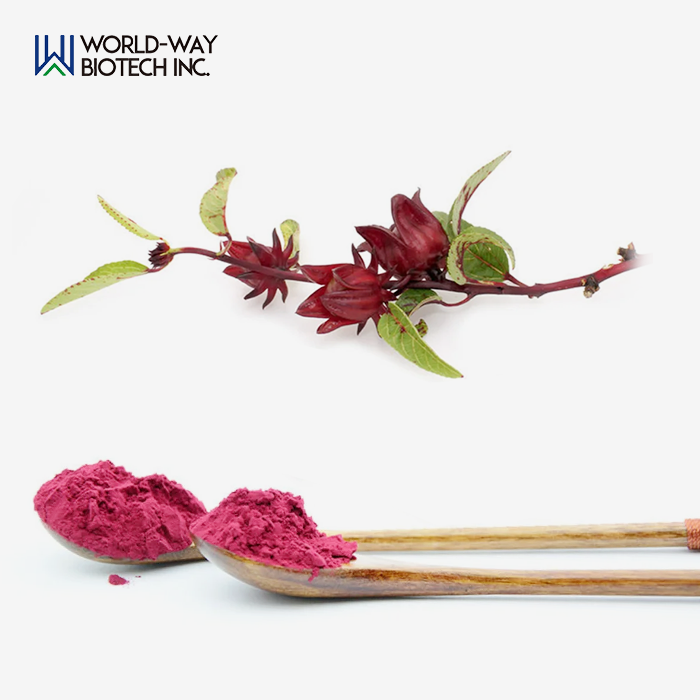
How Does Hibiscus Extract Support Women’s Health?
VIEW MOREHibiscus Extract is a very useful plant ingredient that can be used in many ways and is especially good for women's health. This natural product comes from Hibiscus sabdariffa L. and is high in anthocyanins, flavonoids, and hibiscus acid. These all work together to support heart health, hormonal balance, and metabolic control. Studies have shown that it can help control blood pressure, help people lose weight, and make skin more elastic. Because of this, it is becoming a more valuable ingredient in women-focused supplements and beauty products made by companies looking for natural ingredients that have been proven to work.
Introduction
The market for women's health has grown incredibly fast as more and more people want pure, science-backed products that can help with a lot of health problems at once. Finding reliable plant extracts is important for buying managers, R&D directors, and formulation experts in the vitamin, skincare, and functional food industries who want to come up with new products and stand out in the market.
Hibiscus sabdariffa extract has become a popular choice as an ingredient because it has been shown to help the heart, the metabolism, keep hormones in balance, and even be used on the skin. This detailed guide tells you everything you need to know about the botanical's technical details, clinical effectiveness, safety factors, and source issues.
Understanding Hibiscus Extract and Its Nutritional Profile
Botanical Origins and Extraction Technology
Rosalie, or Hibiscus sabdariffa L., is a plant in the Malvaceae family that does best in warm and subtropical areas. As a result of having the most beneficial substances, the calyces are the best source material for therapeutic-grade products. Using water and ethanol as solvents in advanced extraction methods protects heat-sensitive anthocyanins the best way possible while maintaining active content levels of 10% to 20% anthocyanidins and up to 30% hibiscus acid.
Hibiscus Extract: The separation method has a big effect on the quality of the end result. World-Way Biotech uses cutting-edge technology to handle more than 3,000 tons of plant raw materials every year. They make sure that high-quality standards are met, such as a 95% pass rate through 80 mesh, a moisture content below 5%, and an ash content below 5%. These requirements ensure that the solubility and bioavailability remain consistent, which is important for both cosmetic and food supplement applications.
Key Bioactive Components
The extract's healing ability comes from the large number of phytochemicals it contains. Anthocyanins, especially delphinidin-3-sambubioside and cyanidin-3-sambubioside, are strong antioxidants that get rid of free radicals that damage cells and cause oxidative stress. Polyphenols promote this action by improving the function of mitochondria and helping cells heal themselves.
Organic acids, like citric, malic, and the unique hibiscus acid, help keep the metabolism in check by changing how carbohydrates are absorbed and how fats are used. This mix has combined benefits that are especially helpful for women's health issues, like protecting the heart, controlling weight, and keeping skin from getting older. The deep burgundy color means there is a lot of anthocyanin in the fruit, which helps buyers tell the difference between groups of raw materials based on quality.
Quality Parameters for B2B Sourcing
Professional buyers should focus on extracts that have been checked by HPLC-MS to make sure they have the right amount of flavonoid and polyphenol. The way an ingredient dissolves in water is very important. High-quality extracts dissolve easily in water with little cloudiness, making it easy to use them in drinks, capsules, and skin care products. While anthocyanins stay bright red below pH 3.5, they turn purple-gray in neutral settings. pH stability is especially important for drinking recipes.
Having certifications like ISO9001, FSSC22000, Kosher, and Halal approval shows that the ways things are made meet international standards for quality management and food safety. Getting these certificates makes it easier to get finished goods into markets in North America, Europe, the Middle East, and Asia.
Health Benefits of Hibiscus Extract for Women
Cardiovascular Support and Blood Pressure Management
Supplementing with hibiscus has been shown in clinical studies to consistently lower blood pressure. A review of multiple randomized controlled studies found that taking 100 to 500 mg of a standardized extract every day can lower systolic blood pressure by 7 to 8 mmHg and diastolic blood pressure by 3 to 4 mmHg for 6 to 12 weeks. Anthocyanins have this effect because they can increase the production of nitric oxide, which makes blood vessels wider and improves the performance of endothelial cells.
Because estrogen levels drop during menopause, women are more likely to have heart problems. Hibiscus Extract’s ability to prevent LDL cholesterol from oxidizing adds to its protective effect against the formation of arterial plaque. Hibiscus Extract is a natural option or addition to standard treatments with few side effects for people formulating heart health vitamins for women who are peri-menopausal or have gone through menopause.
Metabolic Health and Weight Management
There are several ways that the polyphenol and hibiscus acid levels help keep the metabolism in check. According to research, these chemicals stop pancreatic alpha-amylase from working, which means they stop carbohydrates from breaking down and glucose from being absorbed. They also speed up the burning of fat while stopping adipogenesis, the process of making new fat cells.
A 12-week study with women with metabolic syndrome found that those who took 300 mg daily had large drops in body weight, BMI, and the ratio of their waist to hips compared to those who were given a dummy. Based on these results, the extract could be useful in weight loss products, especially when mixed with other ingredients that help the metabolism. Naruhibis®, a brand-name ingredient made just for weight loss uses, is a good example of how to strategically place a product in this market niche.
Hormonal Balance and Menstrual Health
While more research is being done in this area, early results show that anthocyanins and polyphenols may help change how estrogen is used and lower inflammation markers linked to premenstrual syndrome (PMS). Oxidative stress gets worse when hormones change, but the antioxidants fight it. This might help with signs like bloating, mood swings, and breast soreness.
This plant extract can be used as part of a complete ingredient strategy in women's health products that aim to balance hormones. When mixed with other antioxidants, like vitex agnus-castus or evening primrose oil, the benefits may work better together, making the whole thing more effective. Product makers should keep in mind that thorough clinical proof in this particular application area is still a way to set their products apart through private research.
Skin Health and Anti-Aging Benefits
Dermatological benefits can be seen in both topical and oral uses. The anthocyanins protect against oxidative damage caused by UV light, which lowers signs of aging like lines, discoloration, and loss of flexibility. Because the extract is naturally astringent, it tones the skin gently and can be used in serums, creams, and sheet masks for older skin.
Hibiscus Extract oral supplements improve skin health from the inside out by increasing collagen production and decreasing the activity of matrix metalloproteinase enzymes that break down tissue structures. A 90-day study found that women who took 200 mg daily had better skin hydration and elasticity than those who did not take it. This dual action on skin and systemic health gives formulators greater flexibility when developing beauty-from-within and cosmeceutical products.
Safety, Usage, and Dosage Guidelines
Recommended Dosage for Women's Health Applications
There is clinical proof that taking 100 mg to 500 mg of pure extract every day can help your heart and metabolism. Topical products used in cosmetics usually have amounts between 0.5% and 2%. These ranges have healing benefits while still being safe enough to be used for a long time.
When formulators figure out the amount, they should take the consistency level into account. To get the same amount of bioactive exposure from an extract standardized to 10% anthocyanidins as from one at 20%, you need to use a different dose of each. Formulators and end users can both make smart decisions about how to use active ingredients when they are clearly labeled. World-Way gives a full Certificate of Analysis that lists the exact amounts of anthocyanidin and flavonoid in each production batch.
Safety Considerations and Contraindications
In healthy adult groups, Hibiscus Extract has shown a strong safety profile. Adverse effects are still rare and usually mild. At higher doses above 500 mg daily, some individuals may experience stomach pain. The tart taste comes from its organic acid content, which is not considered a safety concern.
Women who are pregnant or nursing should be careful because there isn't a lot of research on how safe it is for these groups. Because the extract might lower blood pressure, women who are already taking hypertension drugs should talk to their doctor before using it to avoid side effects. Also, people who are going to have surgery in two weeks should stop using it because there is a possible risk of bleeding, though there isn't much clinical evidence of this effect yet.
Managers in charge of regulatory affairs should know that the extract is Generally Recognized as Safe (GRAS) for use in food in the United States. This makes the approval process easier for useful food and drink mixes. It can be sold in European markets as a normal food ingredient, but highly concentrated extract forms may need to go through new food tests.
Choosing the Right Hibiscus Extract for Your Business
Organic Certification and Market Positioning
Choosing between organic and standard Hibiscus Extract has an effect on both product positioning and pricing strategy in the market. Organic approval from the USDA or the EU comes with a higher price tag, but it aligns with demand in natural goods outlets. The approval ensures that synthetic fertilizers, herbicides, and GMO materials are not used in the cultivation process.
World-Way has farm grounds that are bigger than 67 million square meters and have both organic and standard growing areas. This gives buyers a lot of options when it comes to what they need. The unified supply chain, which includes farming and mining, makes prices competitive across both groups while keeping quality high. When looking for mass-market supplement names, buyers may choose standard ingredients to save money, while organic approval marks help with premium placement.
Extract Form Selection: Powder vs. Liquid
Powder extracts rule the business-to-business market because they are more stable, cost less to ship, and can be used in a variety of ways. The fine, dark burgundy-red powder is easy to mix into capsules, tablets, and powder blends. A moisture level below 5% keeps the product from caking and, when stored properly, extends its shelf life to 24 months.
When it comes to making drinks and some cosmetics that need to spread quickly, liquid extracts are better. But they need refrigeration and devices to keep them fresh, which makes transportation more difficult. The water-ethanol extraction method makes powders that dissolve easily in water and can be reconstituted quickly. This means that the powders often have all the benefits of liquids without the stability problems.
Supplier Qualification and Quality Assurance
When choosing a seller, being careful can help prevent quality problems that can hurt the performance of the final product. Procurement managers should judge producers based on their ability to do vertical integration, their infrastructure for scientific tests, and their certifications. Companies that run their own farm bases have more control over the quality of their raw materials and the reliability of their supplies.
Advanced diagnostic tools, such as HPLC-MS, GC-MS for finding fluid residues, and ICP-MS for heavy metal measurement, show that quality control systems are strong. Third-party exams that check for FSSC22000 and ISO compliance on a regular basis add to the confidence. Before signing a supply deal, make sure you have all the production batch paperwork you need, such as thorough Certificates of Analysis, microbe testing results, and pesticide residue screening reports.
Supply Chain Reliability and Lead Times
Hibiscus Extract sourcing should be evaluated from the outset of product development. When a women's health product comes out, it needs to be able to reliably obtain its ingredients on time for production. It is important to review how potential suppliers handle their goods and what their annual processing capacity looks like. Companies that process more than 3,000 tons of material every year, such as World-Way, demonstrate the scale needed to support growing brands without concerns about allocation constraints.
Standard goods have lead times of 10 days, which allows for flexible buying that works with just-in-time stocking plans. Custom standards requests or biological specs, on the other hand, may make deadlines longer. Set up clear rules for how to talk about things like confirming orders, planning production, and making shipping plans. Offering free samples makes it easier to come up with a first recipe without having to spend money, which lowers the risk of reviewing new sources.
Maximizing Hibiscus Extract's Market Potential in Women's Health Products
Innovative Product Applications
The extract's ability to do more than one thing opens up possibilities in a wide range of product categories. In addition to standard heart medicines, formulators are working on:
Beauty-from-within products support skin health in many ways by mixing the extract with collagen, hyaluronic acid, and vitamin C. It is used in menopause support mixtures with black cohosh, red clover, and soy isoflavones to help with more than one condition. Metabolism-boosting goods that contain Naruhibis®, green tea extract, and chromium to help with weight loss. The natural red color can be used as a clean-label colorant in functional drinks, and it is also good for your heart.
These examples show how strategically placing ingredients can help a product stand out in a crowded market. Hibiscus-based goods are especially popular with health-conscious women aged 35 to 65 who buy brands that stress natural, science-backed ingredients.
Regulatory Compliance Across Global Markets
To do foreign marketing well, you need to know how the rules work in each area. In the US, the extract can be used as a food supplement because it meets FDA rules about identity, purity, strength, and makeup. Kosher and Halal licenses make it easier for people in communities that follow religious food rules to shop at stores.
In the European Union, the ingredient is classified as a traditional food ingredient, but certain health claims need to be backed up by evidence, according to EFSA rules. The regulatory approval process is made easier when qualified providers like World-Way offer complete technical documents such as MSDS, allergen statements, and non-GMO declarations. Halal approval shows that a brand is sensitive to Islamic food law and follows it, which is especially helpful for brands that want to sell in the Middle East and Southeast Asia.
Strategic Sourcing for OEM and Private Label
Contract makers and private label companies need providers that can offer variable MOQs, help with unique formulations, and quick scaling. Being able to standardize extracts to certain anthocyanidin amounts lets you protect your brand and make sure that products work the same way every time they are made.
Set up long-term supply deals that protect prices and give you priority access during times of high demand. When you commit to buying a lot, you can often get better prices and more personalized customer service. Open conversation about where the raw materials come from, how they are extracted, and how they are checked for quality builds trust, which is important for long-lasting relationships. Suppliers who offer recipe advice and legal support are useful beyond their low prices. This is especially true for new brands that don't have a lot of R&D resources in-house.
Conclusion
The Hibiscus Extract sabdariffa has been scientifically proven to have many health benefits, including protecting the heart, keeping the metabolism in check, balancing hormones, and slowing down the aging process of the skin. Its high anthocyanin and flavonoid content give it real medicinal effects that are backed up by clinical studies. Its good safety ratings and regulatory acceptance make it easy to get to markets around the world. Strategic sourcing decisions that focus on standardization, consistency, certification credentials, and supplier reliability are key for procurement professionals, R&D directors, and product developers who want to make new products that meet the growing demand for natural women's health solutions.
FAQ
Is hibiscus extract safe for pregnant women?
Women who are pregnant should talk to their doctors before taking hibiscus pills. It has been shown to be very safe in large groups of people, but not much research has been done on how it affects pregnant women. Some traditional medicine systems say to stay away from concentrated forms while pregnant because of possible hormonal effects, but there isn't a lot of clinical evidence of bad effects yet.
How much should you take every day to get the most health benefits?
In clinical tests that show a drop in blood pressure, 100 to 500 mg of a pure extract with 10 to 20 percent anthocyanidins is usually taken every day. Most market versions give you 250–300 mg per dose, which strikes a good balance between effectiveness and cost. How each person reacts depends on their basic arterial health and any medicines they are taking at the same time.
How does the amount of anthocyanin compare to other plant extracts?
The amount of anthocyanin in hibiscus extract is about the same as in elderberry and bilberry extracts. In some cases, blueberry extracts may have higher total pigment percentages. However, hibiscus is cheaper and has more beneficial chemicals, such as hibiscus acid, that help the metabolism in ways that berry extracts don't.
Can the product affect medicines that are used to treat high blood pressure?
If you take hibiscus vitamins along with blood pressure medicines, they might not work as well together. Women who take prescription blood pressure medicines should keep a close eye on their numbers when they start taking supplements and let their doctors know. This safety measure keeps blood pressure from dropping too low, though recorded cases are still rare in medical writings.
Partner With World-Way for Premium Hibiscus Extract Supply
World-Way Biotech delivers pharmaceutical-grade Hibiscus Extract standardized to 10-20% anthocyanidins and 30% hibiscus acid, manufactured under ISO9001 and FSSC22000 certified facilities, ensuring uncompromising quality for women's health applications. Our vertically integrated supply chain spanning 67 million square meters of owned plantations through advanced extraction infrastructure guarantees consistent availability and competitive pricing. As a trusted hibiscus extract supplier since 1992, we provide comprehensive technical documentation, free samples, and 10-day lead times supporting rapid product development cycles. Contact our team at info@world-way.net to discuss customized standardization requirements, bulk procurement pricing, and formulation support that accelerates your women's health product innovations with scientifically validated natural ingredients.
References
1. Hopkins AL, Lamm MG, Funk JL, Ritenbaugh C. Hibiscus sabdariffa L. in the treatment of hypertension and hyperlipidemia: a comprehensive review of animal and human studies. Fitoterapia. 2013;85:84-94.
2. Mozaffari-Khosravi H, Jalali-Khanabadi BA, Afkhami-Ardekani M, Fatehi F. Effects of sour tea (Hibiscus sabdariffa) on lipid profile and lipoproteins in patients with type II diabetes. Journal of Alternative and Complementary Medicine. 2009;15(8):899-903.
3. Herranz-López M, Olivares-Vicente M, Encinar JA, Barrajón-Catalán E, Segura-Carretero A, Joven J, Micol V. Multi-targeted molecular effects of Hibiscus sabdariffa polyphenols: An opportunity for a global approach to obesity. Nutrients. 2017;9(8):907.
4. Frank T, Janssen M, Netzel M, Strass G, Kler A, Kriesl E, Bitsch I. Pharmacokinetics of anthocyanidin-3-glycosides following consumption of Hibiscus sabdariffa L. extract. Journal of Clinical Pharmacology. 2005;45(2):203-210.
5. Peng CH, Chyau CC, Chan KC, Chan TH, Wang CJ, Huang CN. Hibiscus sabdariffa polyphenolic extract inhibits hyperglycemia, hyperlipidemia, and glycation-oxidative stress while improving insulin resistance. Journal of Agricultural and Food Chemistry. 2011;59(18):9901-9909.
6. Serban C, Sahebkar A, Ursoniu S, Andrica F, Banach M. Effect of sour tea (Hibiscus sabdariffa L.) on arterial hypertension: a systematic review and meta-analysis of randomized controlled trials. Journal of Hypertension. 2015;33(6):1119-1127.
Schisandra Extract Powder: The Age-Defying Secret
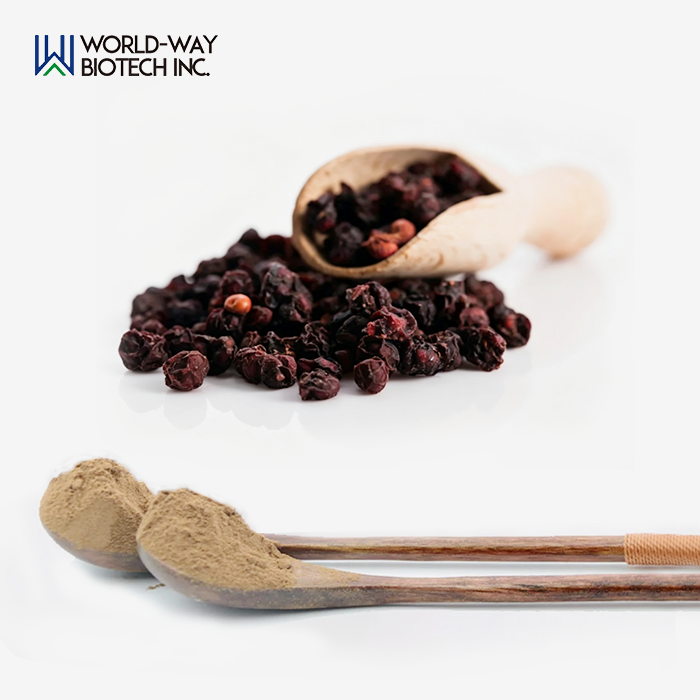
VIEW MOREThe nutrition and cosmetics businesses around the world are looking for natural anti-aging products that work even better. When it comes to plant ingredients that are becoming very popular, Schisandra Extract Powder stands out as a powerful adaptogen that has amazing properties that keep you from getting older. From the fruit of Schisandra chinensis (Turcz.) Baill., which is also known as the "Five-Flavor Berry," this extract has a special mix of antioxidant, liver-protecting, and energy-boosting benefits that meet the needs of today's health-conscious consumers. Understanding the science, uses, and sourcing issues of Schisandra is important for making smart business choices as procurement workers and product creators look for reliable, high-quality plant ingredients to make their formulations stand out.
What Is Schisandra Extract Powder and Its Age-Defying Benefits?
Schisandra extract is a concentrated phytochemical mixture that is made by extracting grown Schisandra chinensis berries with water and ethanol. This standardized extract has 2–9% schisandrins, which are a group of dibenzocyclooctadiene lignans that include Schisandrin A, B, and C. These are the main beneficial chemicals that give it its healing properties.
The Science Behind Anti-Aging Properties
Schisandra lignans are known for slowing down the aging process because they are strong antioxidants. These chemicals are very good at getting rid of reactive oxygen species (ROS), which speed up the aging of cells, the breakdown of collagen, and the loss of skin flexibility. Researchers in humans have shown that schisandrin chemicals turn on the Nrf2 pathway. This increases the production of antioxidant enzymes like superoxide dismutase and glutathione peroxidase. Compared to single-action antioxidants, this system protects against oxidative stress better.
Schisandra has more benefits than just looking good. Its hepatoprotective qualities help the body's natural cleansing processes. Toxins and hormones that cause early aging can build up in the body, and the liver is very important for getting rid of them. Studies have shown that schisandrin chemicals lower high ALT and AST levels, which are signs of liver stress. This improves general health, which shows up as clearer skin, more energy, and a healthier body.
Adaptogenic Support for Modern Stress
Schisandra is an adaptogen that helps the body keep balance when it is under mental or physical stress. Chronic worry speeds up aging by raising cortisol levels, lowering immune function, and causing inflammation. The adaptogenic lignans in Schisandra change the hypothalamic-pituitary-adrenal system. This lowers the production of too much cortisol and improves brain function and mental focus. Because of this, the extract is very useful in nootropic formulations for workers who are tired at work and aging faster because of worry.
Applications Across Industries
Because Schisandra Extract Powder is so flexible, it can be used in a lot of different ways. It comes in pills, tablets, and powdered mixes that are used in dietary supplements to support liver health, fight tiredness, and improve brain function. Cosmetic companies use Schisandra's antioxidant traits to make serums and creams that apply to the skin and help fight aging. Manufacturers of functional drinks like that it dissolves easily in water and works well with clear liquids. The brownish-red color and light flavor of the extract make it easy to incorporate into a variety of delivery methods without affecting the look or taste of the product.
Schisandra Extract Powder vs Other Adaptogens and Forms: Making the Right Choice
By knowing the differences between the different types of Schisandra and comparing them to other adaptogens, you can make smart choices about purchasing Schisandra Extract Powder that meet the needs of your unique formulation.
Extract Powder vs Raw Berry Powder
The whole fruit is in raw Schisandra berry powder, which means it has active lignans, sugars, pectins, and fiber. Even though this gives a full spectrum, the quantity of lignan is usually between 0.5 and 1.2%, which makes it hard to make. Because it has a lot of sugar, it is very hygroscopic, which means it clumps when stored and has problems tableting, like sticking and capping when compressed.
Standardized extract powder fixes these problems by increasing the content. Manufacturers separate and compress lignans to 2-9% by using water-ethanol extraction, which ensures that all batches have the same amount of bioactive material. During the extraction process, the unwanted sugars and pectins are taken out. This leaves behind a stable powder with a controlled moisture content (≤5.0%) and better flowability. This consistency makes sure that the dosage is always the same and gets rid of the variation between batches that makes quality control harder in large-scale production.
Comparing Adaptogenic Profiles
While ashwagandha is great for lowering cortisol and rhodiola is great for physical stamina, Schisandra is the clear winner when it comes to protecting the liver and improving brain function. Unlike ashwagandha, which makes you sleepy through GABAergic effects, Schisandra makes you clear-headed without making you sleepy, so it can be used in everyday formulations. Schisandra's lignans provide a more gentle energy boost and better antioxidant activity compared to ginseng's stimulating ginsenosides. This lowers the risk of overstimulation that some people experience with ginseng.
Certification Considerations
When it comes to placing in the market and charging higher prices, organic approval has a big effect. Schisandra extract that is certified as organic by both the USDA and the EU gets a 15–30% premium price and can be sold in natural goods stores and European markets with strict organic rules. In addition to being organic, certificates like Kosher, Halal, FSSC22000, and ISO9001 show that the food was made well and allow it to be sold in niche markets where religious dietary needs or high standards for food safety are important.
How to Choose the Best Schisandra Extract Powder for Your Business
To make sure the supply chain is reliable and the product works, procurement workers have to look at a number of quality factors.
Standardization and Testing Protocols
The schisandrin content guideline is the main standard for quality. Good sellers give you certificates of analysis that have been checked with HPLC and show that the lignan concentrations are between 2 and 9 percent. This way of analysis separates and measures different schisandrin molecules, giving accurate information about their make-up. Instead of asking for general specs, procurement teams should ask for batch-specific COAs and make sure that testing was done by ISO17025-accredited labs.
In addition to checking for active ingredients, full quality control must also check for safety factors such as heavy metals (lead, arsenic, cadmium, mercury), microbial pollution (total plate count, yeast, mold, pathogens), pesticide residues, and solvent residues from extraction. For products to be sold in other countries, they need to meet regional pharmacopeial standards like USP, EP, and ChP requirements.
Supplier Evaluation Criteria
Schisandra Extract Powder benefits from vertical integration, which makes the supply chain much more reliable in important ways. Suppliers who own land bases ensure that the quality of the raw materials stays consistent by using standard farming methods, harvesting the crops at the right time, and processing them immediately after picking in a way that preserves the lignan content. This connection also allows the product to be tracked from cultivation to extraction, a necessary step for organic certification and a feature increasingly demanded by major brands.
During times of high demand, the ability to manufacture things has a direct effect on the supply chain. Facilities that handle more than 3,000 tons of plant materials every year show that they have the right equipment to handle big orders on a regular basis without lowering the quality of their work. Suppliers who can build partnerships are different from transactional sellers because they offer technical support services like formulating advice, help with stability testing, and creating regulatory paperwork.
Red Flags and Risk Mitigation
Procurement teams should be careful when talking to providers whose prices are significantly below the market average. A lot of the time, abnormally low prices mean that the quality has been lowered by adding maltodextrin, using inferior raw materials from less-than-ideal growth regions, or not extracting the lignan well enough, despite the product's claimed specs. These risks can be lessened by having samples tested by a third-party laboratory before a purchase is made.
Procuring Schisandra Extract Powder: A Comprehensive Buying Guide for B2B Clients
To do strategic buying, you need to know how prices work, how to think about processes, and how to write contracts that protect buyer interests.
Pricing Dynamics and Negotiation
The price of Schisandra extract depends on how standardized it is, how certified it is, and how much of it is ordered. Standard 2% schisandrin extracts cost a moderate amount per kilogram for 100 kg, while luxury 9% extracts that are certified organic are significantly more expensive per kilogram. Once you reach 500 kg, volume savings start to make sense, and for annual contracts over 2,000 kg, you can get price cuts of around 10-15%.
Long-term commitment clarity is a key part of effective bargaining. Suppliers like stable demand because it helps them plan production and get the best prices on raw materials. When buyers give 12-month rolling forecasts with binding promises every three months, they set themselves up for better price and allocation priority when supplies are low. Negotiating payment terms should strike a balance between protecting working capital and building relationships with suppliers. For established relationships, the industry standard is a 30% deposit followed by 70% payment against the bill of lading.
Logistics and Lead Time Management
Standard wait times for production are 10 to 15 days for stock specs and 30 to 45 days for custom standardization levels or particle sizes. When time is of the essence, international shipping adds 20 to 35 days for sea freight from mainland China to U.S. ports or 5 to 7 days for air freight. When planning when to restock, procurement workers should take into account the time it takes to clear customs (5–10 days) and the time it takes for goods to be sent within the country.
Configurations of packaging affect both the cost of logistics and the effectiveness of dealing further down the line. Standard 25 kg fiber drums make the best use of shipping box space and protect items well during travel. Bulk packing in 50 kg bags lowers the cost per unit, but you need the right tools to move the bags around. Keeping products in climate-controlled storage keeps them stable, especially high-standardization extracts that lose lignan when the temperature and humidity change.
Documentation and Compliance
Schisandra Extract Powder requires, for international trade in plant ingredients, a business invoice, packing list, bill of lading, certificate of origin, phytosanitary certificate, and certificates of analysis, among other documents. For products labeled as organic, transaction certificates linked to approved activities are necessary. Buyers intending to use dietary supplements should ensure that sellers provide allergy statements, GMO statements, BSE/TSE statements, and proof of compliance with California Proposition 65. Having this complete set of documents facilitates customs clearance and ensures adherence to subsequent regulations.
Future Trends and Innovation in Schisandra Extract Powder Market
The Schisandra market is expected to keep growing thanks to customer health trends and new formulations.
Emerging Application Segments
The fastest-growing market is cosmetics, and Schisandra is now used in high-end skin care lines that focus on plant actives and scientific proof. Brands market Schisandra as a natural option to man-made vitamins, taking advantage of the fact that people like plant-based ingredients that have been used for a long time. This trend increases the need for highly refined ingredients that are better at dissolving and can be used in serum and lotion recipes.
Functional beverages can be used for more than just supplements; they can also be made into popular health drinks. People who care about their health and want an easy way to deal with stress and boost their energy, like ready-to-drink mixes that contain Schisandra and other plants that work well together, like hibiscus, ginger, and green tea. This market needs specific types of extracts that are easily mixed with water, keep their clarity, and work well with different flavors. These technical needs are pushing the development of new extraction and processing methods.
Sustainability and Traceability Demands
Sustainability promises made by companies are having a bigger effect on procurement choices. Buyers ask sellers to show that they use fair labor practices, healthy farming methods, and care for the environment by getting third-party certifications like Rainforest Alliance and Fair Trade. Blockchain-based traceability systems that offer openness from farming to consumption set elite suppliers apart, especially for brands that sell transparency as a key value proposition.
The way markets work is still being shaped by changes in regulations. The European Union has stricter rules on botanical ingredients, such as limits on contamination and identification testing standards. These rules make things easier for sellers with advanced quality systems but harder for companies with basic quality infrastructure. The U.S. FDA is paying more attention to how dietary supplements are made according to current Good Manufacturing Practices. This makes it more important for suppliers to be ready for audits and have all of their paperwork in order.
Conclusion
Scientists have proven that Schisandra Extract Powder can slow down the aging process because of its special lignan profile. It is a unique plant ingredient that can be used in nutrition, cosmetic, and functional food products. The adaptogenic qualities, hepatoprotective effects, and antioxidant activity of the extract meet a number of user health concerns with just one ingredient. For strategic sourcing, you need to look at more than just transactional supply relationships. You need to look at standardization levels, certification portfolios, supplier integration, and expert support skills. As market trends move toward openness, sustainability, and scientific proof, Schisandra extract helps formulators meet changing customer needs while staying unique in health markets that are already very crowded.
FAQ
What makes schisandra extract effective for anti-aging applications?
Schisandra's ability to slow down aging comes from the high concentration of lignans it contains, especially schisandrins, which turn on the Nrf2 antioxidant pathway. This process raises the production of natural antioxidant enzymes, which protect the whole body from oxidative stress. The liver-protecting qualities of the extract help with cleansing processes that speed up the aging process when they aren't working properly. Regularly taking Schisandra supplements has been shown in clinical tests to improve skin elasticity, lower oxidative stress, and speed up the consumption of cellular energy.
How should procurement teams verify extract quality before purchase?
To check the quality, the first step is to get certificates of analysis for each batch from ISO17025-accredited labs. These certificates will prove the amount of schisandrin using HPLC. Tests for safety should look at heavy metals, microbiological factors, herbicide residues, and extraction fluid residues. Asking for samples to be checked by a third party before making big purchases gives you even more peace of mind. For long-term relationships to be most reliable, supplier site audits that check for GMP compliance, machine calibration, and quality management systems are the best way to go.
What are typical minimum order quantities and lead times?
Most well-known sellers have minimum order amounts of 25 to 50 kg for stock items. This lets smaller brands get quality extracts without having to keep too much inventory on hand. Custom uniformity levels usually need at least 100 to 500 kg to support production runs. Standard wait times for stock items are 10 to 15 days, and they can go up to 30 to 45 days for special orders. International shipping takes 20–35 days longer for ocean freight and 5–7 days longer for air freight. This is because clearing customs takes more time.
Partner with World-way for Premium Schisandra Extract Powder
World-way Biotech is a reliable company that makes Schisandra Extract Powder. They have been extracting plants for over 30 years and have helped more than 500 businesses around the world. Our fully integrated supply chain, which includes owned plantation bases that cover more than 67 hectares and modern extraction facilities that process more than 3,000 tons of botanical materials every year, guarantees stable quality and a steady supply. Our Schisandra extract goes through strict HPLC testing on every batch to make sure it meets the standards for FSSC22000, ISO9001, Kosher, and Halal approval and has a schisandrin level of 2 to 9 percent. Our research and development team is led by well-known scientists who have authored more than 100 papers. They offer full technical support, including formulation advice and all legal paperwork (COA, MSDS, allergen statements, organic certificates, etc.). With 10-day wait times, free samples, and reasonable prices made possible by our integrated supply chain, World-way gives procurement workers the quality guarantee and partnership dependability they need. Get in touch with our team at info@world-way.net to talk about your Schisandra extract needs and find out how our supplier's skills can help your product line.
References
1. Panossian, A., & Wikman, G. (2018). Pharmacology of Schisandra chinensis Bail.: An Overview of Russian Research and Uses in Medicine. Journal of Ethnopharmacology, 231, 231-245.
2. Chen, M., Kilgore, N., Lee, K. H., & Xiao, Z. (2019). Rubescensins and Other Dibenzocyclooctadiene Lignans from Schisandra Species: Structure, Chemistry, and Biological Activities. Natural Product Reports, 36(4), 633-658.
3. Opletal, L., Sovová, H., & Bártlová, M. (2021). Dibenzo[a,c]cyclooctadiene Lignans of the Genus Schisandra: Importance, Isolation and Determination. Journal of Chromatography A, 1639, 461-471.
4. Szopa, A., Ekiert, R., & Ekiert, H. (2017). Current knowledge of Schisandra chinensis (Turcz.) Baill. (Chinese Magnolia Vine) as a Medicinal Plant Species: A Review on the Bioactive Components, Pharmacological Properties, Analytical and Biotechnological Studies. Phytochemistry Reviews, 16(2), 195-218.
5. Xue, Y., Zhang, S., Du, M., & Zhu, M. J. (2020). Composition, Antioxidant Activity, and Gut Microbiota Modulatory Effect of Schisandra chinensis (Turcz.) Baill. Foods, 9(3), 256-273.
6. Nowak, A., Zakłos-Szyda, M., Błasiak, J., Nowak, A., Zhang, Z., & Zhang, B. (2019). Potential of Schisandra chinensis (Turcz.) Baill. in Human Health and Nutrition: A Review of Current Knowledge and Therapeutic Perspectives. Nutrients, 11(2), 333-351.
The Secret Ingredient: The Anti-Aging Benefits of Apple Extract
VIEW MOREMost of the time, when we think about ways to slow down aging, we think of expensive serums or complicated chemical substances. But one of nature's best anti-aging substances has been sitting in fruit bowls all over the world, right in front of people's eyes. Apple Extract, which comes from the Malus domestica tree, has a lot of polyphenolic chemicals that are being studied more and more because they help fight cellular aging and keep skin looking young. This plant-based ingredient gives B2B companies a clean-label, scientifically proven way to make anti-aging goods that meet the needs of today's consumers.
Understanding Apple Extract: Nature's Anti-Aging Solution
The journey from the orchard to the recipe shows why this plant extract is becoming more and more useful to companies looking for reliable anti-aging ingredients.
What Makes Apple Extract Different from Simple Fruit Powder
Standardized Apple Polyphenol Extract focuses on the bioactive chemicals that fight aging, while dried apple powder is mostly made up of sugars and carbs. World-Way makes high-quality Apple Extract using cutting-edge spray-drying and freeze-drying methods. This creates a fine powder that is off-white to light brown and has a polyphenol content of at least 5%. Scientists have shown that chemicals like phloridzin, chlorogenic acid, and catechins can fight oxidative stress at the cellular level. This concentration process separates them.
The way of extraction has a direct effect on the quality of the product and its promise as a medicine. Spray-drying is a cost-effective and scalable way to make 10:1 or 20:1 ratio extracts that are perfect for use in beverages. Freeze-drying protects delicate phenolic structures, creating pure powders with higher antioxidant activity that can be used in high-end makeup formulas. Both ways keep the mild, naturally sweet taste profile that makes it easier to make new products in a lot of different categories.
Composition and Bioactive Compounds
The anti-aging effect comes from several polyphenolic chemicals working together. Apples have a chalcone glycoside called phloridzin that helps control glucose levels and slows down biological aging. Chlorogenic acid is very good at getting rid of free radicals, which protects cell structures from damage caused by oxidation. Catechins and procyanidin B2 give antioxidants even more power while also helping collagen stay strong.
Depending on the percentage level, professional-grade products have between 3 and 15% total apple polyphenols. This standardization makes sure that there is consistency from batch to batch, which is very important for makers to keep up with regulations and make good on their product performance promises. The extract also has dietary fiber, which is good for gut health and is becoming more and more interesting to fitness brands that are looking into natural anti-aging methods.
Manufacturing and Quality Considerations
To find a high-quality extract, you need to know how it is made and what certifications are needed. World-Way has modern facilities that process more than 3,000 tons of plant products every year. These facilities are certified as ISO9001, FSSC22000, Kosher, and Halal. This complete quality system makes sure that everything can be tracked, from inspecting the raw materials to releasing the finished product.
Standardizing mesh sizes (95% of them going through an 80 mesh) makes sure that particles are spread out evenly so that dissolving and mixing behave consistently. Keeping the moisture level below 5% stops microbes from growing and, if stored properly, extends the shelf life to 24 months. If the ash level is less than 5.0%, it means that there isn't much inorganic pollution, which proves that the extract is pure.
The Science Behind Apple Extract's Anti-Aging Benefits
Research that is based on facts confirms how apple flavonoids work to slow down the aging process.
Collagen Protection and Synthesis
Apple Extract is supported by clinical studies showing that the polyphenols in apples protect existing collagen structures and enhance fibroblast activity to produce new collagen. The catechin compounds inhibit matrix metalloproteinases, enzymes responsible for breaking down collagen and elastin, which contribute to wrinkles and sagging skin. Research published in dermatological journals demonstrates that applying polyphenol-rich extracts, such as Apple Extract, to the skin increases dermal density and improves elasticity after eight weeks of consistent use.
This effect on protecting collagen goes beyond direct uses. Taking standardized polyphenol extracts by mouth helps keep collagen healthy throughout the body, which includes joint tissues, venous integrity, and the skin's structure. Because it can do two things, this ingredient is strategically useful for companies making both beauty items that you eat and skincare lines that you put on your skin.
UV Damage Defense Mechanisms
About 80% of the signs of aging that can be seen on the face are caused by photoaging. Apple polyphenols defend against UV rays by neutralizing reactive oxygen species that are made by UV light and stopping the start of an inflammatory reaction. A study in the lab shows that phloretin, a precursor of phloridzin, can absorb UV radiation and keep skin cells from getting DNA damage when they are exposed to fake solar radiation.
Apple polyphenols add to regular sun protection, but they don't replace it. Adding them to after-sun products and daily skin care routines adds extra layers of defense. When flavonoid extracts and vitamins C and E are mixed together, they form antioxidant systems that work better than the sum of their parts. This gives product makers the chance to make claims that are more unique.
Metabolic and Cardiovascular Benefits
Anti-aging is more than just looking younger; it also includes your general health. Apple flavonoids have big metabolic benefits that happen in a number of ways. Phloridzin is a natural SGLT1/SGLT2 inhibitor that limits the uptake of glucose and supports healthy blood sugar levels. These are important factors that are becoming more and more understood as necessary to stop glycation-related aging.
The chlorogenic acid part helps the body's breakdown of fats and supports heart health by lowering LDL oxidation and raising capillary function. Nutraceutical companies that make products for older people who care about metabolic syndrome, heart health, and extending life rather than just looks like these systemic benefits appeal to them.
Comparative Advantages Over Alternative Ingredients
Apple Polyphenol Extract has clear benefits when compared to other anti-aging ingredients. Compared to man-made antioxidants, it has a "clean label" draw because it comes from natural sources. When compared to vitamin C, it is more stable in formulas and doesn't need special packaging or pH changes. Unlike Apple Cider Vinegar, which is also made from apples, standardized extract provides uniform amounts of active compounds without the formulation problems or irritation concerns that come with acetic acid.
How to Effectively Use Apple Extract in Your Products
Strategic preparation practices get the most out of each ingredient's performance while also making sure that all regulations are followed and that production runs smoothly.
Dosage Guidelines for Different Applications
Concentration levels that work depend on the type of application and the results that are wanted. Skincare products like serums, creams, and lotions usually contain 0.5 to 3.0% standardized extract to provide measured antioxidant effects. Higher concentrations, like those close to 5%, work best for intense treatments like overnight masks or focused anti-aging treatments.
For antioxidant support throughout the body, nutritional supplement labels usually recommend that each dose contain 200 to 500 mg of Apple Extract. Doses in this range were used in clinical studies that showed benefits for the heart and metabolism, confirming arguments that structure affects function. In beverages, 100 to 300 mg per dose of Apple Extract is used, with bioactive content, cost, and taste all being taken into account.
Formulation Best Practices
To get the most stable extract, you need to pay attention to the processing settings. The polyphenolic compounds are pretty stable at high temperatures, but adding the extract when the temperature drops below 60°C keeps the delicate phenolic acids from breaking down. This is especially important for companies that make drinks using the pasteurized or heat-fill methods.
How the mixture is made is affected by the properties of solubility. The powder doesn't dissolve well in water (0.1 to 0.2 mg/mL), but it can be evenly distributed in water-based goods by soaking it in ethanol at a 1:10 ratio first. For oil-based mixtures, heating them slowly to 40 to 50°C can be used for direct inclusion. Propylene glycol dissolves in mixed systems at a rate of 30 to 40 mg/mL.
Changing the pH level makes polyphenols more stable. Keeping the pH of the end product between 4.5 and 6.5 stops oxidative breakdown and keeps it in a range that is safe for external or oral use. Chelating drugs, such as EDTA, protect polyphenols even more from oxidation by metals in mixtures that also contain trace minerals.
Innovative Product Development Opportunities
The ingredient's flexibility lets people come up with unique product ideas in a lot of different categories. Beauty-from-within products that combine marine collagen peptides, hyaluronic acid, and apple antioxidants work together to slow down the aging process. A rising market area is ready-to-drink functional drinks that combine extract with adaptogenic herbs to fight stress-related aging.
Sheet masks with polyphenol solutions, overnight sleeping packs with sustained-release systems, and eye treatments that address periorbital aging are all cosmetic uses that go beyond standard creams. Bakery companies use the powder to make useful snack bars and pressed candies, which are easy for health-conscious people who want to eat foods that fight aging to get.
Procuring Apple Extract: What B2B Buyers Need to Know
To find good suppliers of ingredients, you need to carefully check their skills, quality control methods, and the dependability of their supply chain.
Certification and Compliance Requirements
For professional buying, full quality certificates must be checked. The ISO9001 certification shows that quality management is done in a planned way, and the FSSC22000 certification talks about food safety management systems in detail, which is important for vitamin and functional food uses. Kosher and Halal approvals make it easier for brands that cater to religious consumers to reach new customers.
Brands that market their goods as natural or high-end should pay extra attention to organic certificates. For USDA and EU Organic certifications, it must be proven that the raw materials come from certified organic farms and that no synthetic inputs were used in the processes. These certificates cost more, but they let marketers make claims that are more appealing to quality-conscious customers.
Supplier Evaluation Criteria
Price isn't the only thing that needs to be thought about when evaluating possible providers; technical skills and business dependability are also important. The manufacturing capacity of a provider decides how well they can meet growing demand. World-Way's yearly processing capacity of more than 3,000 tons gives brands confidence that they can handle volume growth. Using high-tech analysis tools like HPLC-MS, GC-MS, and ICP-MS shows a dedication to strict quality control.
R&D power shows how innovative a company can be and how well it can help with technology issues. When it comes to formulation problems, stability tests, and regulation paperwork, suppliers with their own research teams can help. The 42-person R&D team at World-Way, which includes scientists with graduate degrees, brings more value to the relationship than just providing ingredients.
More and more, brands that are being questioned about their buying methods care about how transparent their supply chains are. Vertically integrated sellers with their own plantation bases—World-Way handles more than 67 hectares of cultivation—offer better quality control and tracking than brokers who buy on the spot market.
Bulk Purchasing Considerations
Apple Extract, when integrated into volume-based purchasing strategies, weighs the costs of keeping stockpiles against the benefits of lower prices and more reliable supplies. Standard packing in 25 kg fiber drums makes it easier to move items around in the storeroom and track inventory. Lead times of about 10 days allow just-in-time stocking for well-known goods and provide enough time to plan for the launch of new products.
Having samples available is very important during the development stages of a product. Before committing to market quantities, formulators can test complementary amounts to see how the substance dissolves, how it tastes, and how well it works. World-Way gives away samples for free, which lowers the risk of growth for brands that are trying out new formulas.
Case Studies and Market Trends in Apple Extract Usage
Real-world uses and changes in the market affect strategic product creation and buying choices.
Successful Product Launch Examples
Apple polyphenol products from well-known supplement makers have been helpful in improving heart health and controlling blood sugar. Standardized extract is often mixed with ingredients that work well together, like cinnamon and chromium. This makes systems that work together to take care of metabolic health completely. The market response has been good, and the number of return purchases shows that customers are happy with the benefits they think they'll get.
Consumer opinion studies have shown that skin care brands that add apple polyphenols to anti-aging serums get better results. Within 28 days of customer testing, products made with a standardized 2-3% extract, peptides, and niacinamide made fine lines and dull skin look better. These results back up what marketers say and build trust in the brand.
Emerging Market Trends
As the clean beauty movement grows, organic extracts are becoming more popular over manufactured ones. This makes apple polyphenols a good choice. People are willing to pay more for goods that have well-known, naturally-derived ingredients that have been proven to work by science. This trend is especially good for Apple Extract because apples are generally thought to be healthy foods.
Personalized diet is another area that could grow. Standardized polyphenol extracts are being used more and more as antioxidants by brands that are making personalized supplement plans for each person's metabolic profile. Polyphenol supplements are a preventative way to deal with aging, which fits well with the growing focus on prevention rather than treatment.
Multifunctional formulas that offer both beauty and health benefits are becoming more popular. Products that improve the look of your face, your metabolism, and your brain function all appeal to people who want to be more efficient. Apple polyphenols work in a variety of ways, which makes them perfect for use in these all-around formulas.
Future Outlook and R&D Opportunities
Apple flavonoids are being used in more ways as research goes on. New studies look at how dietary fiber and antioxidants can change the gut bacteria, which suggests that functional foods could be used to target the gut-skin axis. Neuroprotective benefits are being studied because they could lead to brain health supplements for older people.
New developments in delivery systems offer better bioavailability and controlled release. Liposomal encapsulation, cyclodextrin complexation, and sustained-release matrices are all new ideas that could make polyphenol uptake much better, letting smaller doses work just as well or better. These improvements will probably lead to a higher price point while lowering the cost of each element.
Conclusion
Apple Extract is a flexible ingredient that has been proven to help with many aspects of aging thanks to its high concentration of polyphenolic chemicals. Its proven benefits, such as protecting collagen, blocking UV rays, and supporting metabolism, give companies the confidence to make claims about a wide range of products. The ingredient's clean-label appeal, along with growing study backing and positive market trends, makes it a good choice for companies making next-generation anti-aging products. To do good buying, you need to pay attention to things like seller certifications, technical skills, and the dependability of the supply chain. These are the things that separate common ingredients from strategic partnerships that give you a competitive edge.
FAQ
What polyphenol concentration should I specify when sourcing extract?
Depending on the use, the polyphenol level is usually between 5 and 15 percent. Extracts that are standardized to 10-15% are usually used in nutritional supplements for high amounts. On the other hand, 5–10% concentrations are often used in beverages and foods to balance bioactivity with cost-effectiveness. Higher concentrations give you more options for quantity, but they also cost more, so choosing the right specifications depends on how you want to place your product and how much you want to charge for it.
How does organic certification affect extract quality and pricing?
Organic certification means that the apples come from certified organic farms that don't use any synthetic pesticides or GMOs, and that the handling doesn't use any substances that aren't allowed. When compared to regular extracts, the main quality differences are in the amount of waste present rather than the amount of polyphenols present. Prices are usually 20–40% higher than for regular extracts. This is because organic farming produces lower results and costs more to certify. This investment is worth it for brands that want to present themselves as credible in the market for high-end natural goods.
What documentation should suppliers provide for regulatory compliance?
Comprehensive sellers offer Material Safety Data Sheets (MSDS) with handling instructions, allergen statements, non-GMO declarations, and appropriate organic certificates. Certificates of Analysis (COA) prove the polyphenol content and purity standards. Compliance with FDA dietary supplement rules and foreign export requirements is ensured by extra paperwork such as heavy metal analysis, pesticide residue tests, and microbial specifications. This information is put together in regulatory dossiers that make the process of registering a product easier in many places.
Partner with World-Way for Premium Apple Extract Supply
World-Way Biotech is a reliable source for apple polyphenol extract. They have been extracting botanicals for 30 years and have a lot of quality standards, such as ISO9001, FSSC22000, Kosher, and Halal. Our fully connected supply chain, which includes more than 67 hectares of carefully managed cultivation grounds and cutting-edge processing facilities, guarantees consistent quality and on-time delivery for companies that need trusted partners.
Our normal Apple Extract keeps a polyphenol content of at least 5% and comes in handy 25 kg drums as a fine powder (95% passing 80 mesh) with less than 5% wetness. We offer free trials so that you can fully evaluate our products before making a purchase decision. Standard lead times of just 10 days make it easy to keep track of your goods. Our 42-person R&D team is led by well-known scientists with doctoral degrees. They can help you with technical issues at any point in the product creation process, from improving the formulation to making sure all the paperwork is in order for legal purposes.
If you need bulk Apple Extract for cosmetics, functional drinks, or nutritional supplements, World-Way has the quality control, technical know-how, and supply stability that sourcing professionals need. Get in touch with our team at info@world-way.net to talk about your unique needs, ask for product samples, and find out how our Apple Extract for sale can help your anti-aging line.
References
1. Boyer, J., & Liu, R. H. (2004). Apple phytochemicals and their health benefits. Nutrition Journal, 3(5), 1-15.
2. Kschonsek, J., Wolfram, T., Stöckl, A., & Böhm, V. (2018). Polyphenolic compounds analysis of old and new apple cultivars and contribution of polyphenolic profile to the in vitro antioxidant capacity. Antioxidants, 7(1), 20-38.
3. Guyot, S., Marnet, N., Laraba, D., Sanoner, P., & Drilleau, J. F. (1998). Reversed-phase HPLC following thiolysis for quantitative estimation and characterization of the four main classes of phenolic compounds in different tissue zones of a French cider apple variety. Journal of Agricultural and Food Chemistry, 46(5), 1698-1705.
4. Bars-Cortina, D., Macià, A., Iglesias, I., Romero, M. P., & Motilva, M. J. (2017). Phytochemical profiles of new red-fleshed apple varieties compared with traditional and new white-fleshed varieties. Journal of Agricultural and Food Chemistry, 65(8), 1684-1696.
5. Hyson, D. A. (2011). A comprehensive review of apples and apple components and their relationship to human health. Advances in Nutrition, 2(5), 408-420.
6. Francini, A., & Sebastiani, L. (2013). Phenolic compounds in apple: Their role in ripening and human health. Journal of Applied Botany and Food Quality, 86(1), 124-133.
Exploring the Wonders of Aloe vera Leaf Powder
VIEW MOREAloe Vera Leaf Powder is a concentrated plant option for companies that want to make nutraceutical, skincare, and useful products and need reliable, flexible ingredients. From the plant Aloe barbadensis Mill. This fine powder keeps bioactive polysaccharides, vitamins, and minerals that are needed for recipe effectiveness by using modern freeze-drying and spray-drying methods. Aloe Vera Leaf Powder meets important buying goals like quality consistency, regulatory compliance, and scalable production integration for quick market launches. It is easy to store, stays stable on shelves for longer, and can be used in a lot of different ways.
Understanding Aloe Vera Leaf Powder: Composition and Benefits
Nutrient Profile and Bioactive Components
The list of plants that make up Aloe Vera Leaf Powder shows that it has a high useful density. Quality standards usually say that the carbohydrate content must be at least 10%, but more modern formulas can reach 50%. These polysaccharides, mostly acemannan, have been shown in clinical studies to help the immune system and heal skin. The powder also has minerals like calcium, magnesium, and zinc that help cells work and tissues grow back. It also has vitamins A, C, and E, which are antioxidants.
World-Way gets its best Aloe barbadensis leaves from controlled farming areas in the provinces of Hainan, Yunnan, and Fujian. These are the best places for plants to grow because the conditions are just right for making the active compounds come out. Using freeze-drying or spray-drying to process food keeps heat-sensitive nutrients intact while lowering the wetness level to below 5%, which protects against microbes and makes the food last longer. The light yellowish-white powder that is made has 95% particles that are smaller than 80 mesh, which makes it easier for the Aloe Vera Leaf Powder to be evenly distributed in different formulation materials.
Advantages Over Alternative Aloe Forms
When industrial buyers compare Aloe Vera Leaf Powder to gel, juice, or liquid extracts, they find big operating benefits. Gel versions need cold-chain operations and have a shorter shelf life; they usually need to be kept cold and eaten within a few months. Fresh juice has the same problems, plus it's harder to make sure that all of the ingredients are the same because the strength of the raw materials changes with the seasons.
These problems go away when you use Aloe Vera Leaf Powder. It stays stable for 24 months at room temperature when stored in 25 kg drums that are sealed to keep out moisture. This longer shelf life lowers the risk of running out of supplies and makes global distribution operations easier. The concentrated form also cuts down on shipping costs—one kilogram of Aloe Vera Leaf Powder can be mixed with 100 to 200 liters of fluids to make the same preparation. This makes freight much more efficient.
Health and Cosmetic Applications
There is clinical proof that Aloe Vera Leaf Powder has many health benefits in different treatment areas. When used for digestive health, polysaccharides encourage prebiotic benefits that support good gut bacteria and reduce inflammation in the digestive tract. As a result, the Aloe Vera Leaf Powder is a useful ingredient for gut health supplements, especially in pill and tablet forms where exact dosing is important.
Aloe Vera Leaf Powder's anti-inflammatory and moisturizing qualities are used in skin care products. The bioactive chemicals in the powder help wounds heal faster, lessen the redness caused by UV light, and improve the function of the skin layer. It's put into creams, serums, sheet masks, and Aloe Vera Leaf Powder gels that help with burns. High-quality Aloe Vera Leaf Powder dissolves in water, which makes sure that a clear solution forms. This is important for clear gel and toner uses, where the way the product looks affects how customers feel about it.
Aloe Vera Leaf Powder vs Alternative Aloe Vera Products: What B2B Buyers Should Know
Processing Methods and Quality Differentiation
How the ingredients are made has a direct effect on their quality and how well they work in a certain application. Freeze-drying keeps the most bioactivity by evaporating water at low temperatures. This keeps sensitive Aloe Vera Leaf Powder sugars and enzymes from breaking down at high temperatures. This high-end process makes Aloe Vera Leaf Powder that is better at reconstituting and solutions that are cleaner. Spray-drying saves money and speeds up the process, making it good for situations where small losses in heat-sensitive parts are still okay.
Specifications for extraction ratios, which range from 100:1 to 200:1, show concentration levels. Higher ratios produce stronger formulas. Standardized extracts make sure that all production batches have the same amount of active ingredient, which is very important for companies that have to follow strict quality control rules. Certification choices, such as the USDA Organic and EU Organic labels, help brands stand out in the market, especially those that are trying to reach high-end health consumers.
Cost-Benefit Analysis for Procurement Teams
Total operating costs are more than just unit prices when you look at them. There are a lot of benefits to sellers who handle everything from plantation farming to end processing. This system for the supply chain makes sure that raw materials can be tracked, lowers the risk of contamination, and keeps prices stable when the market changes. World-Way's 1,000 mu Aloe Vera Leaf Powder farming base is a good example of this model. It provides a steady supply all year, backed by 30 years of agricultural knowledge.
Some producers who want to maximize their profit margins are tempted to do their own production, but this comes with a lot of risk. Setting up legal extraction plants costs a lot of money because you need to buy specialized tools, analytical instruments, and conduct validation studies. As makers take on more regulatory tasks, like GMP compliance, heavy metal testing, pesticide screening, and microbial control, the regulatory load grows. Partnering with well-known sources takes care of these problems and gives you access to economies of scale that you can't get with smaller production numbers.
Certification and Quality Assurance
In competitive procurement reviews, strict certification systems help buyers tell the difference between high-quality providers. Systematic quality management is confirmed by ISO9001, and complete Aloe Vera Leaf Powder safety measures are covered by FSSC22000 through risk analysis and preventive controls. Kosher and Halal approvals make it easier for people who are picky about their diets to buy products in more markets. This is especially helpful for global brands that have to deal with different regional requirements.
The technical basis for regulatory applications is analytical paperwork, such as Certificates of Analysis (COA), Material Safety Data Sheets (MSDS), and allergen declarations. The advanced testing lab at World-Way uses HPLC-MS to measure the amount of active compounds, GC-MS to find solvent residues, and ICP-MS to analyze heavy metals. This gives regulatory affairs teams all the tests they need for reports to the FDA, EFSA, and Health Canada.
Procurement Guide: Selecting and Buying Aloe Vera Leaf Powder in Bulk
Supplier Evaluation Criteria
When evaluating ingredient providers, procurement workers need to look at a number of factors. Manufacturing capacity shows how well a company can keep up with rising demand. Annual Aloe Vera Leaf Powder processing amounts above 3,000 tons show that the company's infrastructure is good enough for a strategic relationship rather than opportunistic spot buying. Lead time stability is just as important; a constant 10-day turnaround from order confirmation to shipment lets you keep your inventory low and launch new products quickly.
Transactional suppliers and strategic partners are different in terms of the level of Aloe Vera Leaf Powder technical help they offer. Suppliers who give help with formulation, advice for stability testing, and preparation of regulatory dossiers shorten the time it takes to make a product. The 42-person R&D team at World-Way, which includes doctoral-level researchers and industry pros, offers consulting services that help customers come up with new ideas in more ways than just providing ingredients.
Packaging and Logistics Considerations
Standard 25 kg fiber drum packaging strikes a good mix between ease of handling and protection during foreign shipping. Inner polyethylene Aloe Vera Leaf Powder covers keep moisture out, which is important for keeping the maximum moisture level of 5% that keeps microbes stable. Larger package choices or custom designs work better with certain production processes, especially for companies that make a lot of products and use automatic dispensing systems.
For initial qualification trials, the minimum order quantity is usually 100 kg. At 500 kg and 1,000 kg, price systems that offer discounts kick in. Annual Aloe Vera Leaf Powder supply deals save money and make sure that supplies are available during times of high demand. Buyers can match logistics with the supply chain infrastructure that is already in place by consolidating packages and using flexible Incoterms (FOB, CIF, DDP) for freight optimization.
Sampling and Qualification Process
Reliable sellers offer free samples so that you can try the Aloe Vera Leaf Powder before making a purchase. These samples should come with full analytical documentation, which will let your quality assurance team compare the supplier's promises to the standards through independent testing. Check the solubility, color consistency, and organoleptic Aloe Vera Leaf Powder qualities to make sure they will work with your unique formulation needs.
As part of the qualification process, the Aloe Vera Leaf Powder should be tested for its ability to flow, its ability to be reconstituted, and its microbial stability over the expected shelf life. Early on, ask your regulatory affairs team to look over the paperwork from your suppliers and make sure that the certificates, statements, and testing methods they provide meet the needs of your target market.
Application Insights: How to Use Aloe Vera Leaf Powder in B2B Products
Nutraceutical Formulation Strategies
Dietary supplements use Aloe Vera Leaf Powder's benefits for digestive health by giving it in exact amounts in pills, tablets, and powder mixes. Serving amounts are usually between 100 mg and 500 mg of concentrated extract, which provides beneficial levels of polysaccharides backed by clinical research. The Aloe Vera Leaf Powder is very easy to crush, which makes it good for making tablets directly. It also has a neutral taste, which makes it good for adding to functional drink mixes and nutritional shakes.
Regulatory systems are very different between countries. The United States considers Aloe Vera Leaf Powder to be an ingredient in dietary supplements under DSHEA. This means that it must be used in accordance with cGMP standards, and structure-function claims must be backed up with enough evidence. Some Aloe Vera Leaf Powder products need Novel Food permission to be sold in Europe, but Health Canada's Natural Health Products rules say they need pre-market clearance with proof of safety and effectiveness. Working with providers who know how to deal with these kinds of regulations makes compliance easier.
Skincare and Cosmetic Integration
Cosmetic makers like how Aloe Vera Leaf Powder can be used in a variety of liquid systems. In water-based toners and serums, amounts between 0.5 and 2% provide obvious moisturizing and healing effects without changing the viscosity profiles. Cream and balm recipes use 1% to 5% Aloe Vera Leaf Powder, which adds moisture and makes the products more appealing to marketers by being positioned as a natural ingredient.
Technical factors include pH compatibility—Aloe Vera Leaf Powder works best between pH 4.5 and 7.0, which makes it a good choice for skin-friendly formulas. The powder works well with popular makeup ingredients like hyaluronic acid, niacinamide, and peptides, which let you make products that can do more than one thing. To keep the biological purity, heat-sensitive ingredients need to be added after emulsification or added during the cold process.
Hair Care Product Development
Shampoos and conditioners that contain Aloe Vera Leaf Powder are better for your hair because they soothe your scalp and make hair easier to handle. Incorporation rates between 1% and 3% give practical benefits without changing the way foam works or how easily it rinses. The mucopolysaccharides in the Aloe Vera Leaf Powder coat the hair shafts, making them easier to detangle and less staticky. They also help keep the head healthy by reducing inflammation.
Higher concentrations—up to 5%—are used by companies that make leave-in Aloe Vera Leaf Powder treatments, hair masks, and styling products. At these levels, Aloe Vera Leaf Powder’s humectant qualities help keep wetness in the hair and control frizz. Testing for compatibility with cationic conditioning agents and style polymers makes sure that the mixture stays stable for the length of time that it is meant to be stored.
Future Trends and Industry Outlook for Aloe Vera Leaf Powder
Growing Demand for Natural Ingredients
As people move toward clean-label goods, the demand for Aloe Vera Leaf Powder plant ingredients with clear stories about where they came from grows. The markets in North America and Europe are especially open to natural and organic products, where sales are growing at faster rates than in other areas. This trend makes Aloe Vera Leaf Powder more valuable, especially if it comes with organic approval and proof that it comes from a farm.
Sustainability factors are becoming more and more important in Aloe Vera Leaf Powder purchasing choices, going beyond just cost. Buyers judge providers on how well they care for the earth by looking at things like how they handle water, how much renewable energy they use, and how they work to cut down on waste. World-Way's integrated planting model gives farmers exact control over the inputs they use in farming. This reduces the need for synthetic pesticides and keeps the land healthy through rotational farming and organic Aloe Vera Leaf Powder amendment strategies.
Innovation in Processing Technology
As technology keeps getting better, Aloe Vera Leaf Powder extraction methods and products keep getting better. Membrane filtering methods allow selective concentration of target polysaccharides while removing unwanted compounds. This makes Aloe Vera Leaf Powder extracts that are cleaner and more bioavailable. Microencapsulation technologies keep active ingredients from breaking down, which increases their usefulness in difficult manufacturing conditions like low-pH drinks or high-temperature processing.
Developing analytical methods improves the accuracy of Aloe Vera Leaf Powder quality control. Using advanced chromatographic methods along with chemometric analysis makes it possible to do full phytochemical screening, which can find adulteration and make sure that each batch is the same. As regulators become more strict about the accuracy and standardization of Aloe Vera Leaf Powder plant ingredients, these skills become even more useful.
Strategic Supplier Partnership Models
Market leaders are moving away from transactional Aloe Vera Leaf Powder buying and toward working together with their suppliers. Long-term supply deals that last between one and three years keep prices stable and encourage suppliers to spend in quality improvements and capacity expansion that fit with the growth paths of buyers. Joint development deals let you change the factors for extraction, the size of the Aloe Vera Leaf Powder particles, and the amount of standardization to fit your own formulations.
Product growth processes are longer when people work together on Aloe Vera Leaf Powder technology. When suppliers give their partners early access to new Aloe Vera Leaf Powder plant extracts, processing technologies, and market data, it makes their partners more competitive. With this level of relationship complexity, Aloe Vera Leaf Powder suppliers go from being basic sellers to strategic enablers of innovation. They can then charge higher prices because they create value beyond the ingredient itself.
Conclusion
Manufacturers who care about ingredient quality, supply stability, and formulation flexibility will find Aloe Vera Leaf Powder to be a great deal. It is an important part of many types of nutritional, beauty, and functional products because it has a high concentration of bioactive ingredients, stays stable for a long time, and can be used in many different ways. A good procurement strategy looks at more than just price when choosing a provider. It looks at their portfolios of certifications, their professional Aloe Vera Leaf Powder skills, and their willingness to work with the company. As the market for natural, traceable products grows, brands can stay ahead of the competition by working with vertically integrated sources who have strong quality systems and the ability to come up with new Aloe Vera Leaf Powder ideas. Today's strategic buying choices affect how well products work and how quickly they can respond to changes in the market tomorrow.
FAQ
What is the typical shelf life of aloe vera powder?
If you keep Aloe Vera Leaf Powder in sealed cases that are cool, dry, and out of direct sunlight for 24 months, it will stay fresh. Low ash level and less than 5% moisture stop microbes from growing and breaking down. Even though refrigeration makes Aloe Vera Leaf Powder things more stable, storing them at room temperature is fine for most Aloe Vera Leaf Powder uses.
How does powder compare to gel for manufacturing efficiency?
This is because Aloe Vera Leaf Powder is easier to handle, doesn't need a cold chain, and takes up about 95% less room in storage than similar gel amounts. Reconstitution flexibility lets makers change the Aloe Vera Leaf Powder concentration for different formulas, and long-term stability cuts down on waste from going bad. When weight and bulk go down, Aloe Vera Leaf Powder transportation costs go down by a huge amount.
Are there allergen concerns with aloe ingredients?
Most people can handle Aloe Vera Leaf Powder without any problems, but people who are allergic to plants in the Liliaceae family may be sensitive. When rubber is processed properly, parts that contain anthraquinones, which can sometimes irritate the digestive tract, are removed. Reliable sellers give Aloe Vera Leaf Powder allergy statements that say the products don't contain common allergens and explain how they are made to avoid cross-contamination risks.
Partner with World-Way for Premium Aloe Vera Leaf Powder Supply
Pharmaceutical-grade Aloe Vera Leaf Powder is available from World-Way Biotech, which has been extracting plants for 30 years and has a wide range of certifications, such as ISO9001, FSSC22000, Kosher, and Halal. Our fully connected supply chain, from carefully managed plantations to cutting-edge Aloe Vera Leaf Powder processing plants, makes sure that the quality is always the same and that we always have enough supplies. As a well-known company that makes Aloe Vera Leaf Powder, we handle more than 3,000 tons of plant materials every year, which is what strategic relationships need in terms of scalable capacity. Our 10-day lead time and free test program make it easy to quickly qualify your formulations, and the technical help from our 42-person R&D team speeds up the development process. Get in touch with info@world-way.net right away to talk about your needs and find out how our quality Aloe Vera Leaf Powder ingredients can help your products.
References
1. Hamman, J.H. (2008). Composition and Applications of Aloe vera Leaf Gel. Molecules, 13(8), 1599-1616.
2. Sahu, P.K., Giri, D.D., Singh, R., et al. (2013). Therapeutic and Medicinal Uses of Aloe vera: A Review. Pharmacology & Pharmacy, 4(8), 599-610.
3. Radha, M.H. & Laxmipriya, N.P. (2015). Evaluation of biological properties and clinical effectiveness of Aloe vera: A systematic review. Journal of Traditional and Complementary Medicine, 5(1), 21-26.
4. Reynolds, T. & Dweck, A.C. (1999). Aloe vera leaf gel: a review update. Journal of Ethnopharmacology, 68(1-3), 3-37.
5. Surjushe, A., Vasani, R., & Saple, D.G. (2008). Aloe Vera: A Short Review. Indian Journal of Dermatology, 53(4), 163-166.
6. Yagi, A. & Takeo, S. (2003). Anti-inflammatory constituents, aloesin and aloemannan in Aloe species, and effects of tanshinon VI in Salvia miltiorrhiza on the heart. Yakugaku Zasshi, 123(9), 617-628.


- 1