
Corn Leaf Extract Expands Botanical Ingredient Options for Functional Food and Beverage Formulations
Sep 21, 2026
Corn leaf extract, derived from the dried foliage of Zea mays L., is gaining meaningful attention among R&D directors and product developers in the functional food and beverage space. As consumer demand for plant-based, science-backed ingredients continues to grow, this botanical offers a differentiated profile built around flavonoids such as luteolin, apigenin, and corn flavone, alongside phenolic acids including chlorogenic acid, caffeic acid, and ferulic acid. For procurement teams seeking ingredients with both functional credibility and supply chain depth, it presents a practical and well-supported option worth evaluating.
Understanding Corn Leaf Extract and Its Functional Benefits
Bioactive Composition That Drives Formulation Value
World-Way's Corn Leaf Extract is made from dried leaves of the Zea mays plant and contains flavonoids (5% to 15%), phenolic acids, polysaccharides, and essential minerals. The flavonoid fraction, especially luteolin and apigenin, has been shown to be an effective antioxidant, which can be measured using the ORAC test. Chlorogenic acid and ferulic acid help with digestive health, which is one of the main uses for this substance. The extract is a fine, greenish-yellow powder that dissolves in water and goes through an 80-mesh screen 95% of the time.
Metabolic Health Applications Supported by Research
Peer-reviewed research on flavonoids from Zea mays shows that they can help with blood sugar control, high blood pressure, and diuretic action. A study released in 2020 in the journal Food Chemistry confirmed that polyphenols from corn can stop α-glucosidase from working. This supports their use in formulas for managing blood sugar levels. This ingredient connects bioactivity directly to consumer health priorities, so R&D teams that are making metabolic wellness claims in functional drinks or supplements don't have to use synthetic additives.
Versatility Across Product Categories
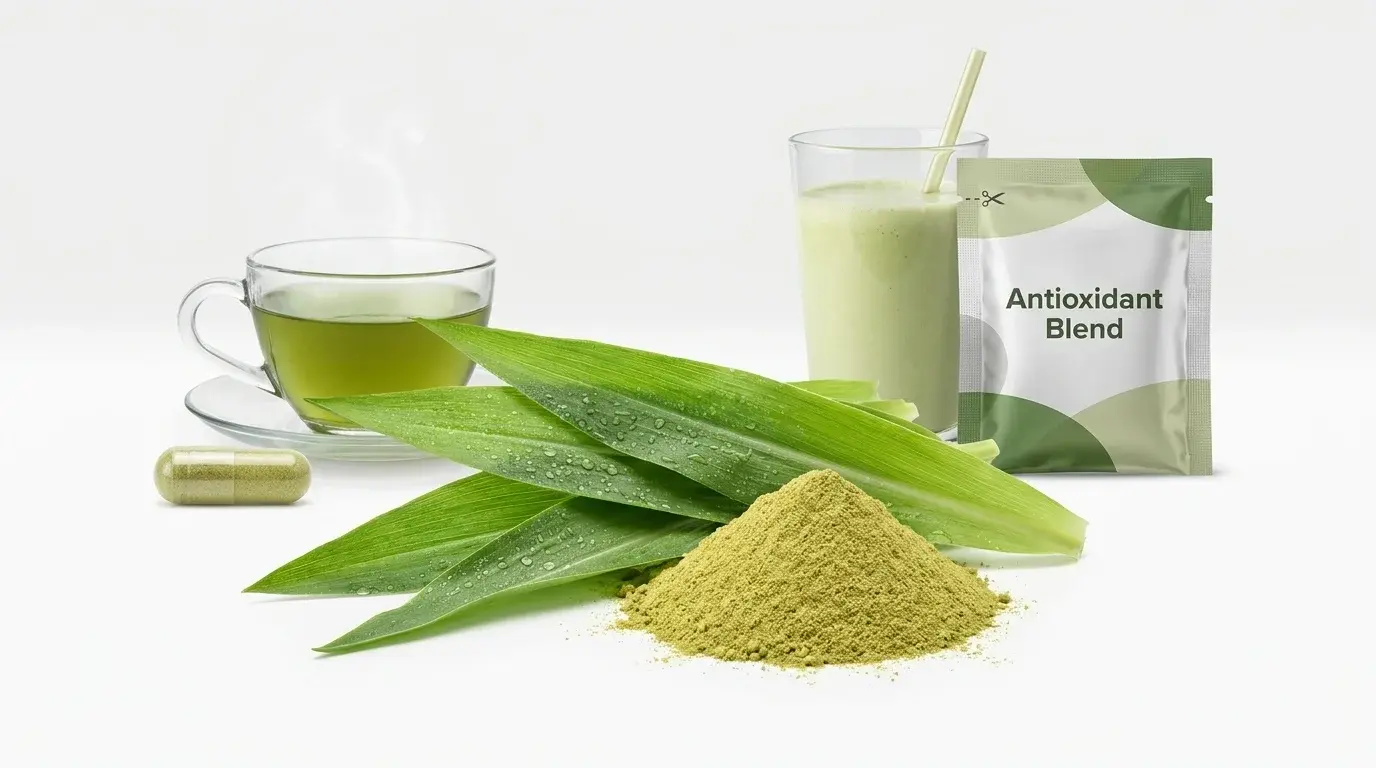
The extract works well in functional teas, nutraceutical pills, meal replacement drinks, and mixes of antioxidant supplements. Because it dissolves easily in water, it makes production easier in devices that use water. Formulators can choose the concentration level that fits both their product positioning and label requirements. Flavonoids are standardized to 5% to 15% and come in 5:1 to 10:1 ratio extracts.
Comparing Corn Leaf Extract with Similar Botanical Ingredients
Corn Leaf vs. Corn Silk Extract
More people know about corn silk extract, which is used to treat urinary tract problems and make you pee more often. Corn Leaf Extract has some flavonoid chemistry that is similar to that of silk, but it also has a wider range of phenolic chemicals, such as caffeic acid and ferulic acid, which are not usually found in large amounts in materials made of silk. The leaf part has a wider range of phytochemicals that can be used in products that focus on metabolic health and antioxidants.
Corn Leaf vs. Green Tea Extract
Because of EGCG studies, green tea extract is still the standard for polyphenol-based useful ingredients. But it has trouble with how labels are read in some places, and at the right amounts, it can add bitterness. Corn Leaf Extract flavonoids have a milder taste and work well in products that are aimed at people who want plant-based antioxidant support without the side effects of caffeine.
Organic vs. Conventional Grade: What Procurement Teams Should Know
Certification level is very important if you want to sell through US or EU store outlets. Conventional Corn Leaf Extract that is certified by ISO9001 and FSSC22000 works well for most B2B food and nutrition uses. Brands that need to follow USDA or EU Organic rules must only buy from suppliers whose plantations are managed by qualified professionals and whose chain of custody is clearly recorded. Making sure that certifications are up-to-date, inspected by a third party, and able to track individual batches protects both the purity of the product and its legal standing.
Quality, Procurement, and Supplier Considerations
Certifications That Signal Production Integrity
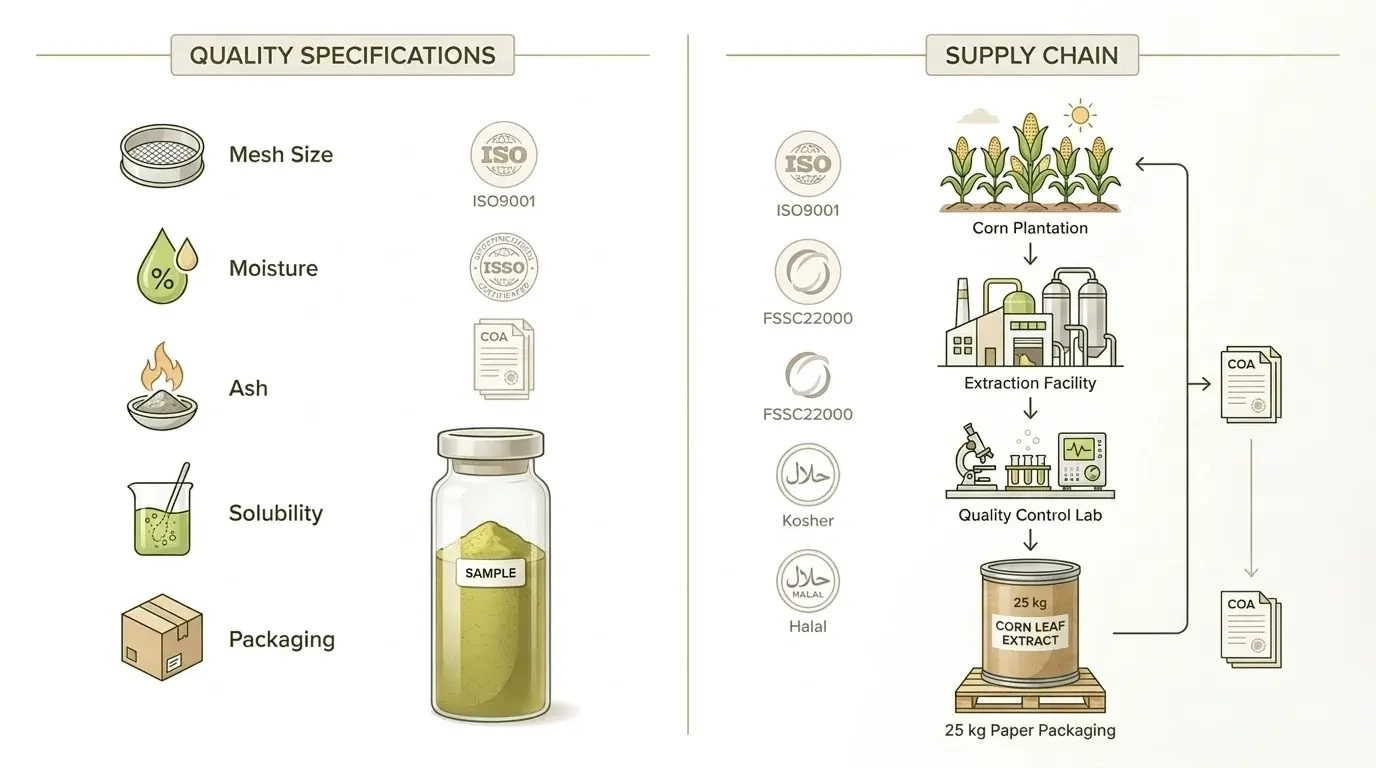
When looking at a Corn Leaf Extract supplier, the range of certifications they have can tell you a lot about how well they run their business. This item is certified by World-Way as ISO9001, FSSC22000, Kosher, and Halal. A standard called FSSC22000, which has been tested by GFSI, confirms that food safety management is done at the system level as well as the product level. ISO9001 makes sure that quality management is the same from one batch of products to the next. These qualifications are the bare minimum that procurement managers in controlled markets should have.
Here are the quality standards that World-Way uses to describe its Corn Leaf Extract:
- Appearance: Greenish-yellow fine powder
- Mesh size: 95% pass 80 mesh
- Moisture: ≤ 5.0%
- Ash content: ≤ 5.0%
- Solubility: Water soluble
- Packaging: 25 kg/drum
- Lead time: 10 days
- Free sample: Available
These factors show that production is being controlled at a level that is right for making functional and nutritional foods. Consistent limits on moisture and ash help meet shelf life goals and ensure precise blending further down the line.
Supplier Structure and Supply Chain Depth
For botanical products to have a stable supply chain, it takes more than just working with vendors. It needs to be vertically integrated. World-Way runs plantation bases that cover more than 67 hectares and processes more than 3,000 tons of botanical raw materials every year at its Phytoway extraction facility. It uses green extraction technology that keeps the bioactive integrity of the materials. This structure makes less use of spot-market raw materials and supports delivery commitments all year, which are important things to think about when planning yearly contracts for buying Corn Leaf Extract.
Custom Formulation and OEM Capability
OEM and private label services are offered by World-Way for brands that want to stand out from the crowd by getting more than just common ingredients. To meet particular formulation needs, the extraction factors, standardization levels, particle size, and solubility profiles can be changed. To meet the needs of global market access, technical paperwork packages are made. These packages include COA, MSDS, non-GMO declarations, allergen statements, and regulatory dossiers.
How to Incorporate Corn Leaf Extract into Functional Formulations?
Dosage, Compatibility, and Stability Guidance
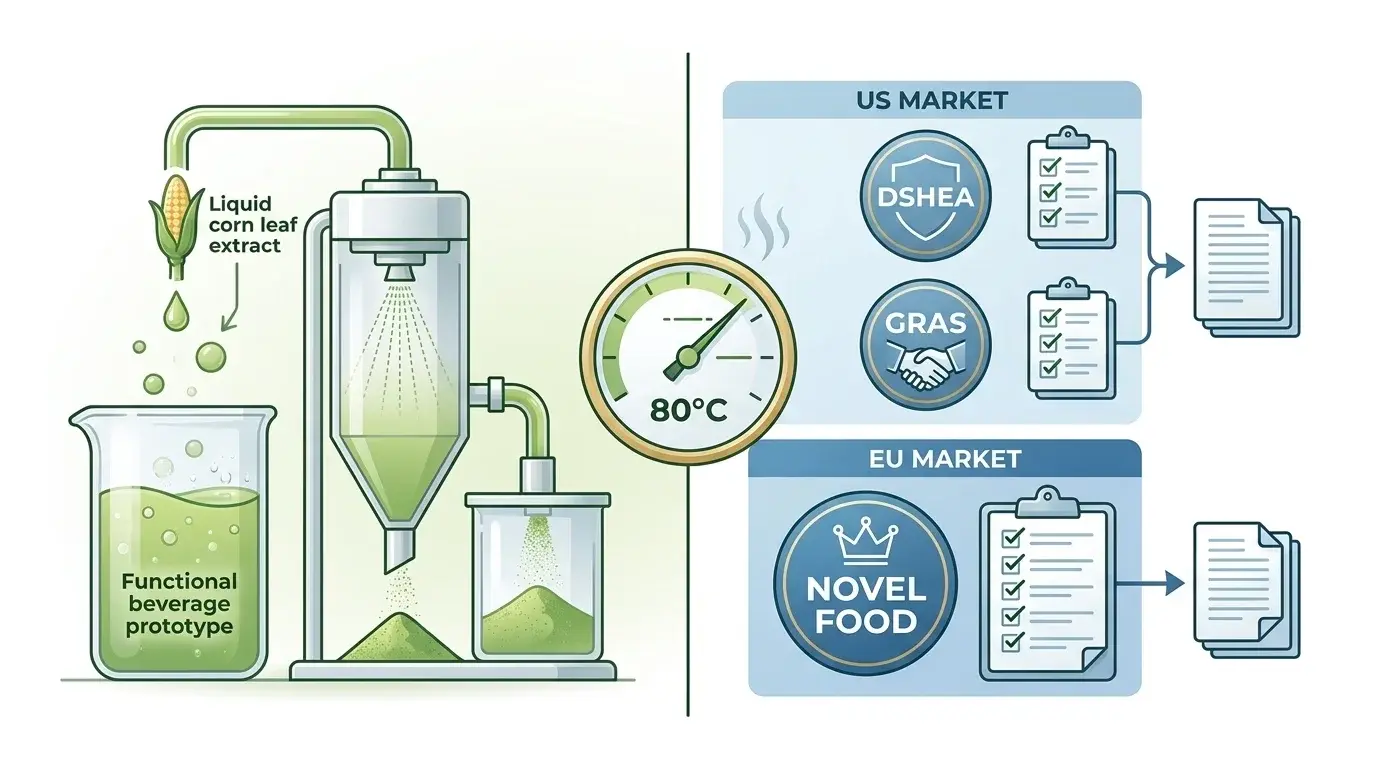
Flavonoid extracts from corn leaves work well in water-based systems and are thermally stable up to 80°C, which is hot enough for most spray-drying and pasteurization processes. A food-grade emulsifier helps spread the substance evenly in oil-based delivery systems. In functional beverage prototypes, flavonoids are usually added at rates between 0.1% and 0.5% by weight, but this can change depending on the label's target flavonoid concentration.
Sensory Profile and Consumer Acceptance
Flavonoids from Zea mays leaves are better than some other plant products because they don't make the taste or smell any stronger or weaker. They don't have the strong astringency that comes with high-polyphenol green tea concentrates. This makes it easier to use them in drinks and foods where taste is important for making the product stand out.
Regulatory Considerations for US and Global Markets
Plant extracts that are used in dietary supplements in the US are regulated by the DSHEA. For functional food uses, the FDA's GRAS pathway or food additive rules must be used to review the ingredients. For EU markets, novel food status assessment might be needed, but it depends on the concentration of the extract and what it is meant to be used for. Before setting the final recipe parameters, procurement teams should make sure they know the legal classification for the market they want to reach.
Conclusion
For companies creating useful foods, drinks, and supplements based on plant-based metabolic health ingredients, Corn Leaf Extract from Zea mays L. is a reliable and well-studied choice. The flavonoid and phenolic acid makeup is linked to known biological activity; it dissolves easily in water, which makes production easier, and its taste profile means it can be used in a lot of different ways. If your buying team is looking at different ingredient choices based on scientific rigor, supply stability, and the level of certification, this extract should be on your shortlist.
FAQ
What certifications does World-Way's Corn Leaf Extract carry?
The item has ISO9001, FSSC22000, Kosher, and Halal certifications. These certificates show that the food safety system is following the rules and that it is compatible with dietary restrictions. This is important for selling the food all over the world, in places like North America, Europe, and the Middle East.
How does Corn Leaf Extract compare to more established botanical antioxidants?
It's a good compromise because it's easier to mix with water than grape seed extract, has a wider range of phenolics than corn silk, and doesn't have the caffeine link that green tea does. The flavonoid and phenolic acid combination gives it a scientifically sound edge when it comes to metabolic health positioning.
What documentation is available to support regulatory submissions?
World-Way provides COAs, MSDSs, non-GMO statements, allergen statements, and organic certificates when they are needed. On request, regulatory dossiers can be made to back up DSHEA, EU Novel Food, or other market-specific applications.
Are free samples available, and what is the lead time?
Yes, you can get free samples. Usually, it takes 10 days to get a report. For business orders, the packaging is 25 kg per drum.
Is the extraction process environmentally responsible?
World-Way uses a green, sustainable extraction process for this product, which leaves behind few solvents and meets the standards for clean labels in both the US and European markets.
Partner with World-Way for Your Next Formulation Project
Since 1992, World-Way Biotech has given plant ingredients to about 500 businesses in more than 60 countries. As a reliable company that makes Corn Leaf Extract and has its own plantation bases, FSSC22000-certified production, and a 42-person research and development team, we help procurement teams with everything from figuring out what ingredients they need to supplying them commercially. Ask for a free sample or talk to our technical team today about a unique recipe brief. You can email us at info@world-way.net or go to worldwaybio.com.
References
1. Ferreres, F. et al. "Flavonoid profile of Zea mays leaves." Food Chemistry, 2011.
2. Luo, X., et al. "Antioxidant and α-glucosidase inhibitory activity of corn leaf polyphenols." Food Chemistry, 2020.
3. Ren, S., et al. "Hypoglycemic effects of flavonoids from Zea mays in diabetic animal models." Journal of Ethnopharmacology, 2017.
4. Oomah, B.D., and Mazza, G. "Functional foods: biochemical and processing aspects." CRC Press, 2000.
5. Ramirez-Rodrigues, M.M., et al. "Phytochemical composition and biological activity of corn-derived botanical extracts." Industrial Crops and Products, 2011.
6. Grand View Research. "Botanical Extracts Market Size, Share & Trends Analysis Report." Grand View Research, 2023.
Standard Disclaimer (DSHEA):
These statements have not been evaluated by the Food and Drug Administration.
This product is not intended to diagnose, treat, cure, or prevent any disease.

Send Inquiry
You may like