
How Can Companies Choose a Stable Melilotus Extract Supplier for Customized Production Needs?
Oct 19, 2026
Choosing a stable Melilotus Extract supplier requires evaluating several interconnected factors: ingredient quality, certification compliance, production flexibility, and supply chain transparency. For procurement teams sourcing yellow sweet clover extract (Melilotus officinalis) in bulk, the decision goes beyond price. It involves verifying coumarin standardization levels, dicoumarol safety controls, and the supplier's capacity to support OEM formulations. A dependable supplier will hold recognized quality certifications, offer technical documentation, and maintain consistent raw material sourcing — all critical requirements for supplement brands, pharmaceutical manufacturers, and cosmetic formulators operating at scale.

Understanding the Challenges in Selecting a Sweet Clover Extract Supplier
When buying teams try to get botanical products, two of the biggest problems they keep running into are supply outages and inconsistent extract quality. These problems don't just happen; they're usually caused by management holes in suppliers that could have been avoided.
Raw Material Variability
Melilotus officinalis's bioactive profile changes depending on when it is picked, where it grows, and how it is handled after it is picked. If suppliers don't use controlled cultivation or standard arrival checks, they will make batches with different amounts of coumarin, which has a direct effect on how well the product works.
Weak Quality Control Infrastructure
Not every company that sells plant extracts does full scientific testing. Buyers could get non-compliant goods if they don't do HPLC-based coumarin assays, dicoumarol limit tests, and ICP-MS heavy metal screens. According to a study published in 2020 in the Journal of Pharmaceutical and Biomedical Analysis, dicoumarol formation in sweet clover that has not been dried properly is a real safety risk that can be avoided.
Certification and Documentation Gaps
Countries with strict rules, like the US, EU, and Japan, need a lot of technical paperwork, like a COA, MSDS, allergen statements, non-GMO declarations, and organic certificates. When suppliers can't provide these documents when asked, it causes compliance problems that delay product launches and put market access at risk.
Key Criteria for Evaluating Botanical Extract Suppliers
There should be a structured way to evaluate a Melilotus Extract source that takes both scientific and operational factors into account. Here are the most important things that buying workers should look for in a vendor:
- Analytical Testing Standards: Confirm the supplier runs HPLC for coumarin quantification, GC-MS for solvent residue detection, and microbiological testing (TPC, yeast, mold, E. coli). These tests establish that the extract meets both safety and efficacy thresholds.
- Certifications: ISO9001 and FSSC22000 indicate systematic quality management. Kosher and Halal certifications expand market access. USDA Organic or EU Organic certifications are increasingly required by North American and European buyers.
- Customization Capacity: The supplier should offer ratio extracts (5:1, 10:1), standardized coumarin content, and particle size specifications (e.g., 95% pass 80 mesh). Packaging formats — such as 25kg/drum for bulk distribution — must align with your logistics requirements.
- Lead Time and Logistics: A 10-day lead time is a meaningful benchmark for production planning. Suppliers with in-house manufacturing and large stock positions reduce delays compared to trading companies.
These factors are a useful way to sort things. Once you have a list of suppliers that meet technical and operational standards, you can narrow the field even more by doing more research, such as facility audits and checking references.

Comparing Supplier Profiles: What Differentiates a Strong Source?
Suppliers from North America, Europe, and Asia sell plant products on the world market. There are different trade-offs between each type of area supplier when it comes to price, infrastructure quality, and governmental alignment.
China-Based Manufacturers
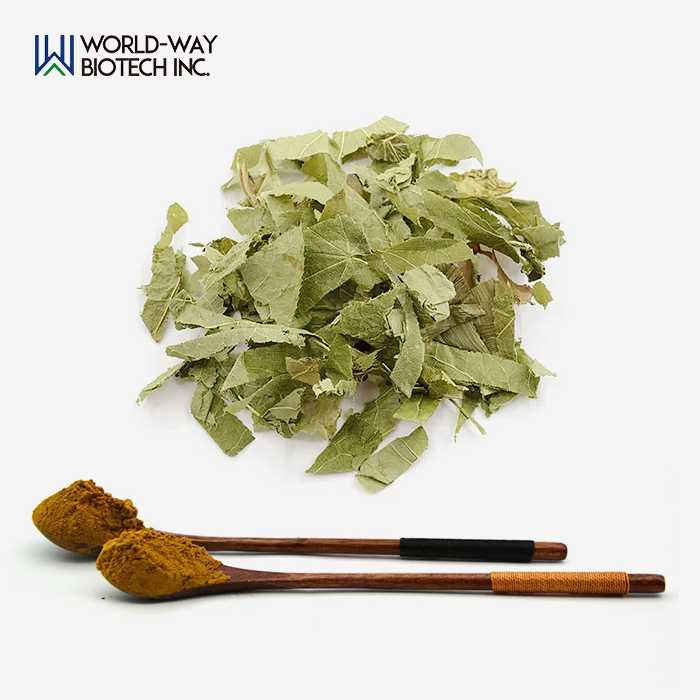
A big part of the world's stock of plant ingredients comes from Chinese companies that make extracts. Vertically integrated suppliers, who own crop bases, extraction facilities, and their own labs, can offer reasonable prices without lowering quality standards. The Changsha, Hunan-based World-Way Biotech company was founded in 1992. Each year, it processes more than 3,000 tons of botanical raw materials and sends them to more than 60 countries. The whole herb Melilotus officinalis is used to make their Melilotus Extract, which is standardized to Coumarin ≥1% (HPLC), with moisture ≤5.0% and ash ≤5.0%.
North American and European Distributors
These suppliers usually offer faster delivery within the United States and may have organic products that have already been certified. However, they often get extract from outside makers, which makes it harder to track. MOQs may also be higher compared to the cost of making them.
Branded vs. Standard Extract Positioning
Buyers who are working on differentiating their products should check with the supplier to see if they offer proprietary extract designations or standard commodity grades. Suppliers like World-Way offer both regulated specs and ratio extracts (5:1 and 10:1). This gives formulators more control over claims of strength.
A Step-by-Step Approach to Securing a Dependable Supplier
Botanical ingredients like Melilotus Extract should only be bought after going through a qualification process that can be used again and again. The steps below can be easily changed to fit the needs of each R&D director and buying manager:
Step 1: Write down the details. Find out what kind of coumarin you need, how much you want to extract, the particle size, the maximum amount of moisture, and the package style before you contact any suppliers. This makes sure there is clear communication and gives sellers clear guidelines to quote against.
Step 2: Ask for Proof. Request a current COA, MSDS, non-GMO statement, allergen statement, and any relevant certificates (ISO, FSSC22000, Kosher, Halal). When suppliers give these quickly, it shows that they are ready for regulated markets on the inside.
Step 3: Get a free sample. Your quality assurance team can test the sample on their own with this. World-Way gives away free samples with a 10-day lead time, which lets you test things out early on without having to commit to a big purchase.
Step 4: Place a Pilot Order. Place a small commercial order before committing to a large annual contract volume. Check the similarity between the sample and the production batch, the integrity of the packaging, and the accuracy of the shipping.
Step 5: Talk about the terms of the contract. Agree on the minimum order quantity (MOQ), price levels, delivery dates, quality guarantees for each batch, and ways to settle disagreements. For long-term sourcing partnerships, it is common to have written quality agreements.
Step 5 — Negotiate Contract Terms. Agree on MOQ, pricing tiers, delivery schedules, batch-to-batch quality commitments, and dispute resolution procedures. Written quality agreements are standard practice for long-term sourcing relationships.

Scientific Evidence and Market Trends Supporting Supplier Selection
More and more doctors are interested in lymphotropic and venotonic botanicals. This gives procurement teams more information to use when deciding how reliable an ingredient is. Studies in the journals "Phytomedicine" and "Vascular Pharmacology" have shown that coumarin plays a part in macrophage-mediated proteolysis. This is how sweet clover extract helps the lymphatic system drain and lowers protein-rich edema. This scientific proof supports using Melilotus-based extracts in venous health supplements and products that help with swelling.
The Grand View Research market report from 2023 says that the plant extract market will grow at a compound annual growth rate of 6.7% and hit USD 8.5 billion by 2028. The top three reasons people buy US supplement brands are being able to track down ingredients, having organic approval, and scientific proof.
When buyers work with suppliers who can meet both quality and scientific documentation standards, they are better able to back up ingredient claims in regulated markets, answer questions from retailers, and get through FDA facility audits without any problems.
Conclusion
Picking a reliable supplier for extracts from yellow sweet clover or Melilotus Extract is an important choice that impacts the quality of the product, its compliance with regulations, and its ability to continue getting supplies in the future. The best providers offer checked quality controls, certifications known around the world, a range of customizable choices, and clear technical documentation. Follow an organized qualification process from defining specifications to evaluating test orders. This will help procurement teams lower risk and build relationships with suppliers that will support consistent product performance across market cycles.
FAQ
What certifications should a Melilotus Extract supplier hold?
At minimum, look for ISO9001 (quality management) and FSSC22000 (food safety). If you sell in US markets, Kosher and Halal certifications expand retail eligibility. For EU and USDA organic-labeled products, verify the corresponding organic certificates directly with the certifying body.
How can I verify coumarin purity before placing a bulk order?
Request a third-party COA showing HPLC-based coumarin quantification. A reliable specification reads Coumarin ≥1% for standardized grades. Also request the dicoumarol limit test result — this confirms that improper drying has not generated the toxic anticoagulant byproduct associated with fermented material.
What is a standard MOQ and lead time for bulk orders?
World-Way's Melilotus Extract ships in 25kg/drum units with a 10-day lead time. MOQ and pricing tiers vary by specification and order volume. Free samples are available for qualified buyers before a commercial commitment.
Can suppliers support OEM or custom formulation requests?
Yes — suppliers with in-house extraction and blending capabilities can accommodate custom coumarin concentrations, ratio extracts (5:1, 10:1), and specific particle size requirements. Confirm these capabilities before finalizing a supplier agreement.
Partner with World-Way for Reliable Melilotus Extract Supply
Since 1992, world-way biotech inc. has sold plant products to more than 500 businesses in more than 60 countries. We are a vertically integrated Melilotus Extract producer, which means we own the plantations we use, do our own advanced extraction, and test the extracts in-house using HPLC, GC-MS, and ICP-MS. This means we can give you reliable, certified extracts that help you meet your product development timeline. Get a free taste or talk about your unique needs today. You can email us at info@world-way.net or go to worldwaybio.com.
References
1. Casley-Smith, J. R., & Casley-Smith, J. R. (1992). High-protein oedemas and the benzo-pyrones. Journal of Pharmaceutical and Biomedical Analysis.
2. Bruneton, J. (1999). Pharmacognosy, Phytochemistry, Medicinal Plants (2nd ed.). Intercept Ltd.
3. Grand View Research. (2023). Herbal Extracts Market Size, Share & Trends Analysis Report. Grand View Research.
4. Hemmerly, T. E. (2000). Appalachian Wildflowers. University of Georgia Press.
5. Wichtl, M. (Ed.). (2004). Herbal Drugs and Phytopharmaceuticals (3rd ed.). Medpharm Scientific Publishers.
6. European Medicines Agency. (2016). Assessment Report on Melilotus officinalis (L.) Pall., Herba. EMA/HMPC Committee on Herbal Medicinal Products.
Standard Disclaimer (DSHEA):
These statements have not been evaluated by the Food and Drug Administration.
This product is not intended to diagnose, treat, cure, or prevent any disease.

Send Inquiry


Related Industry Knowledge
- Bulk Black Elderberry Extract Supports Consistent Ingredient Supply
- How Can Coffee Extract Help Manufacturers Achieve Consistent Flavor Profiles Across Different Applications?
- Barley Grass Extract: Benefits and Properties
- What Product Applications Can Corn Leaf Extract Enhance in Food and Botanical Industries?
- Bulk Corn Leaf Extract Supports Sustainable Plant-Based Ingredient Sourcing for Global Manufacturers
- How Does Corn Leaf Extract Provide New Opportunities for Plant-Based Ingredient Development?
- How Can Manufacturers Select Reliable Black Elderberry Extract Suppliers for Large Scale Production?
- How Do Manufacturers Use Beet Root Powder in Beverage Formulations?
- How Does Hibiscus Extract Support Women’s Health?
- Schisandra Extract Powder: The Age-Defying Secret