
What Product Applications Can Corn Leaf Extract Enhance in Food and Botanical Industries?
Sep 29, 2026
Corn Leaf Extract, derived from the dried foliage of Zea mays L., opens a wide range of application opportunities across food manufacturing and botanical product development. Its bioactive profile—rich in flavonoids like luteolin and apigenin, phenolic acids including chlorogenic and ferulic acid, and plant polysaccharides—supports metabolic health, natural preservation, and skin care functions. Whether you are an R&D director sourcing clean-label antioxidants or a product developer targeting functional beverage markets, this ingredient offers documented biological activity with commercial-grade consistency.
Understanding Corn Leaf Extract and Its Unique Properties
Bioactive Composition and Functional Value
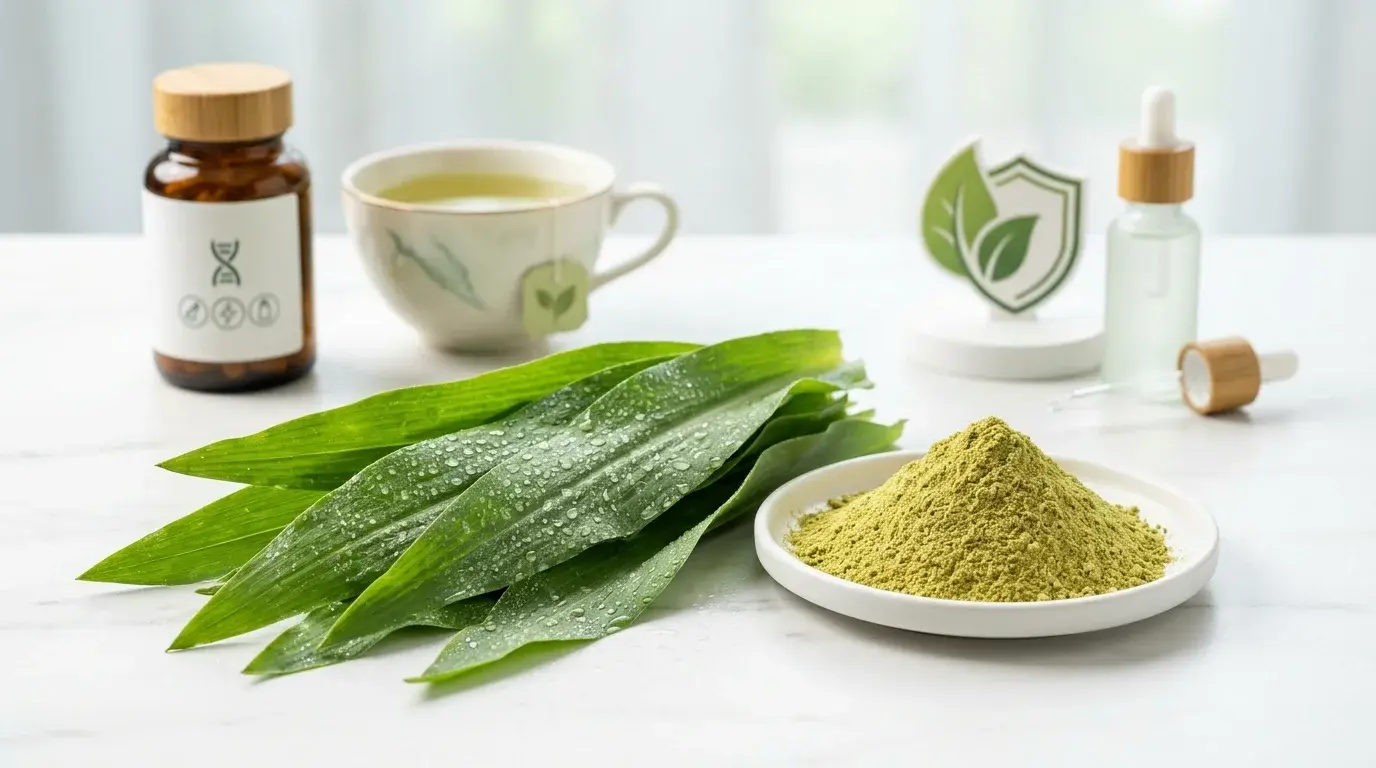
What a green and eco-friendly way to make World-Way's Corn Leaf Extract! The dried leaves of Zea mays are used. Active ingredients that are flavonoids, such as luteolin, apigenin, and corn flavone, are very important. Citric acids (like caffeine, chlorogenic acid, and ferulic acid), carbs, and trace nutrients are also good for you. These chemicals work together to help you urinate, lower your blood sugar and blood pressure, and keep cells from getting hurt. The extract comes in 5:1 to 10:1 ratios and is standardized to have between 5% and 15% total flavonoids. This makes it possible for formulators to precisely choose how much of the active chemical to use.
Production Methods and Quality Standards
They get their raw materials from managed forest areas and process them on a big scale with methods for extraction, concentration, and spray drying. Finally, the product is a fine greenish-yellow powder (95% pass 80 mesh), with about 5% water and the same amount of ash. It fully mixes with water, which makes it easier to add to mixtures that are mostly water. These brands have approved the item as ISO9001, FSSC22000, Kosher, and Halal. Each batch is also tested for microbial limits, ICP-MS heavy metals, and HPLC measurements before it is sold.
How It Compares to Other Corn-Derived Extracts?
Some of the best things about corn kernel extract are its starch and antioxidants. On the other hand, corn silk extract is famous for making you pee and being good for your kidneys. Corn Leaf Extract, on the other hand, has more phenolic and flavonoid chemicals and works well as an antioxidant. There is a special group of phytochemicals in the leaf part that neither the silk extract nor the kernel extract can match when it comes to quality control. These phytochemicals are natural antioxidants or metabolic health ingredients.
Core Applications in the Food Industry
Nutritional Supplements and Metabolic Health Formulations
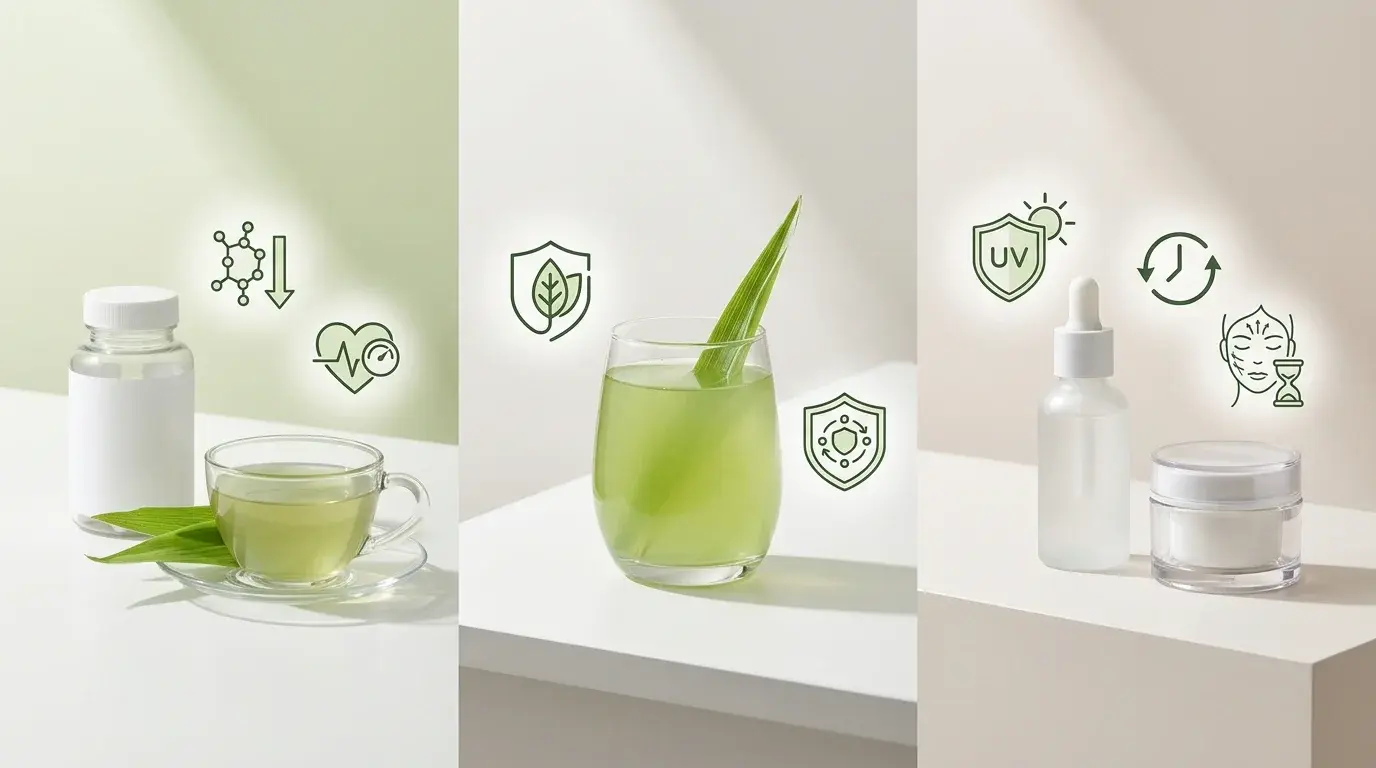
Flavonoids found in corn leaf can lower blood sugar and blood pressure. Corn Leaf Extract is great for weight loss and heart health products that want to reduce blood sugar. When the flavonoid amounts stay between 10% and 15%, it works well in pills and tablets. There is proof that luteolin and chlorogenic acid can change the way the body uses glucose. If a brand wants to market its goods in a way that is based on science, this is a good ingredient story.
Functional Beverages and Natural Preservation
The extract also does two other things for functional drinks: it adds antioxidant activity to the final product and keeps vitamins and colors from breaking down while it's being stored. Some of its phenolic acids, like ferulic acid, have been shown to kill common germs that make food go bad. To put it another way, manufactured preservatives can be used less or not at all, and the product will still last as long. The water-soluble powder format (moisture ≤5.0%) mixes easily with ready-to-drink drinks and doesn't change the taste or make the drinks cloudy.
Powder vs. Liquid Extract Format Considerations
The environment where the product is being made decides whether powder or liquid forms should be used. When deciding how to work with production, these are the main things that matter:
- Powder format (World-Way standard): Offers a 24-month shelf life in sealed, cool, dry storage. It handles high-temperature short-duration processes up to 80°C without significant bioactivity loss, making it compatible with pasteurization and spray-drying steps common in beverage and supplement manufacturing.
- Liquid extract format: Provides faster dispersion but requires refrigerated logistics and shorter shelf management windows. It suits smaller-batch operations where cold-chain infrastructure is already established.
The powder form is better for most big supplement and drink companies because it doesn't need to be frozen and can be kept at room temperature.
Applications in Botanical and Cosmetic Formulations
Skin Care: Antioxidant and Anti-Aging Functions
UV light can damage skin cells, so scientists have looked at luteolin and the other flavonoids found in Zea mays leaf extract to see if they can protect skin cells from this damage. Formulators in the cosmeceutical field usually add 0.5% to 2.0% of it to the water-phase parts of serums, creams, and color enhancers. The ingredient mostly draws water, so when it's mixed with regular emulsifiers, it smooths out oil-in-water emulsions without changing the way the product feels.
Integration into Botanical Health and Wellness Products
If you want to support metabolic health or detoxification, Corn Leaf Extract works well with other plant actives like dandelion, hibiscus, and mulberry leaf, which are all made by World-Way. The phenolic acids in the corn leaf part help make more antioxidants when mixed with these other plant extracts in functional tea mixes or capsules that contain more than one plant. This makes it easier to put labels in the right places without having to use fake binders.
Regulatory Compliance and Consumer Safety Profile
Brands that want to sell in the EU and the US can get safety paperwork from World-Way. There are non-GMO statements, food statements, Kosher/Halal certificates, and a Certificate of Analysis (COA). LC-MS/MS checks every batch against more than 500 pesticide chemicals to make sure it meets the EPA and EC 396/2005 guidelines. This much paperwork directly helps get new goods registered and speeds up the process for regulatory affairs teams so that products can be sold faster.
Procurement Insights for B2B Buyers
Supplier Evaluation Criteria
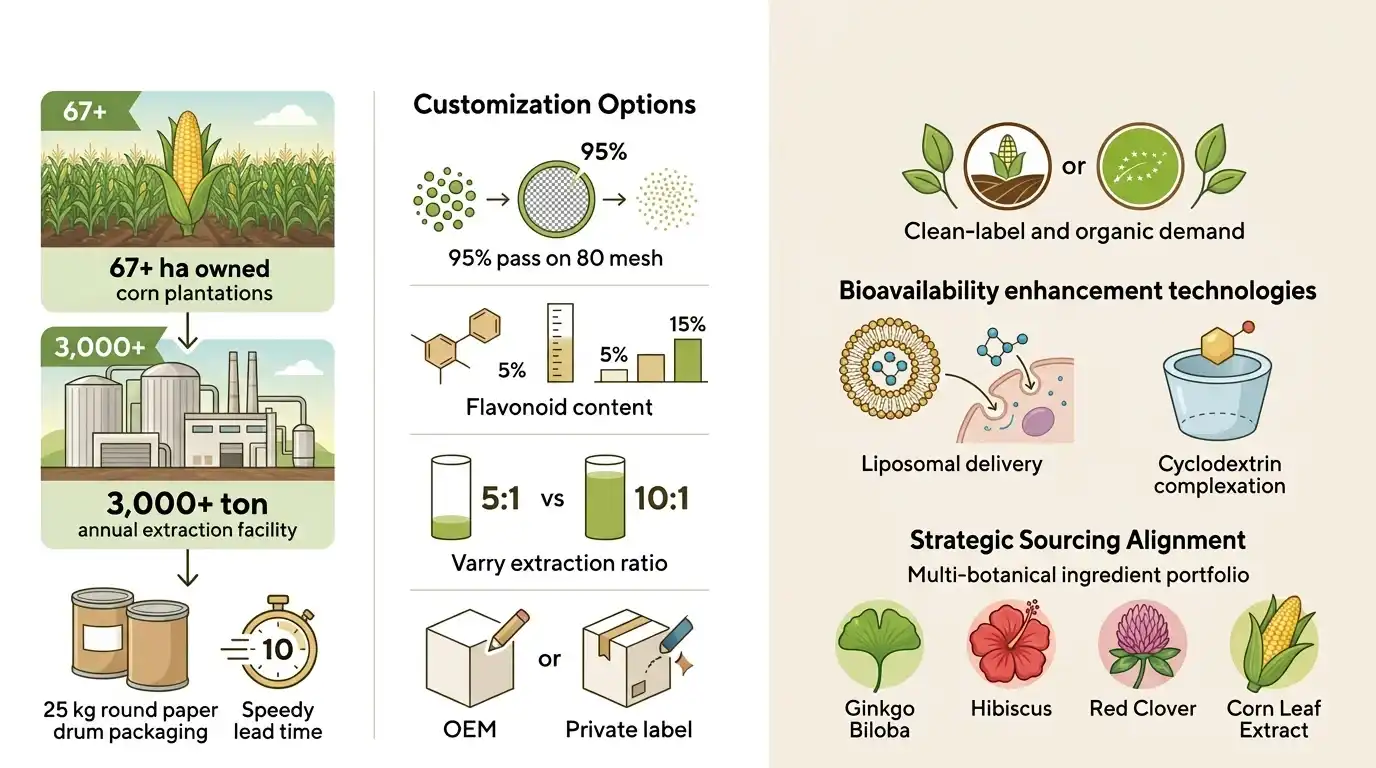
It's not enough for procurement managers to just look at price when picking a Corn Leaf Extract supplier. It is easy to follow the supply chain at World-Way, from their own 67+ acre plantation lands to Micolta's 3,000+ ton-per-year extraction factory. This is because of how the company is set up. This integration lowers the chance of supply interruptions and meets the quality standards set by FSSC22000 and ISO.
Bulk Purchasing and Sample Access
World-Way sends Corn Leaf Extract in 25 kg drums with a 10-day lead time. Before you agree to make big deals, you can get free samples for research and development (R&D). With farm management and a global buying network, World-Way has a steady supply of raw materials all year long. This makes it easy for procurement teams to make yearly contracts. This is because the prices of many goods that come from plants change all the time.
Customization for Specific Applications
You can pick from different extraction factors at World-Way, such as particle size (95% pass 80 mesh standard), flavonoid levels ranging from 5% to 15%, and ratio concentrations ranging from 5:1 to 10:1. We offer OEM and private label services for brands that need help coming up with a recipe or making a finished product. You get technical and legal paperwork packages when you place your order. These are sent to you to help you get into the global market.
Emerging Trends and Market Directions
Clean-Label and Organic Ingredient Demand
People in Europe and North America who buy supplements want more plant-based goods with clean labels that come from clear sources. Corn Leaf Extract is a good example of this trend because it is non-GMO, made without dangerous chemicals (only water or ethanol is used), and some product lines are approved organic by the USDA and EU. People send clear messages to brands that market this item as a natural source of antioxidants about how open agriculture is.
Bioavailability Improvements and Delivery Innovation
New ways of making medicines are being formed by studies into how bioavailable phenolics are. Two packaging technologies—liposome delivery and cyclodextrin complexation—are used on plant products that dissolve in water to help the body absorb them better. When purchasing managers look for ingredients that could be used in the future, it's easier to get these new delivery formats as they become more popular if they work with a company that has an active research and development team. World-Way has a 42-person technical team with five PhDs.
Strategic Sourcing Alignment
The way people buy things is changing so that they have fewer but better ties with suppliers. Buyers who work with botanical companies that are fully merged can get a steady supply of many types of ingredients and find it easier to handle paperwork. They also lower the risk of audits. This company, World-Way, has many botanical ingredients, such as Ginkgo Biloba, Hibiscus, Red Clover, and Corn Leaf Extract. This makes it a good choice for a central botanical ingredient source.
Conclusion
Corn Leaf Extract from Zea mays L. is a plant extract that has been used for a very long time in metabolic health drinks, functional drinks, natural preservation, and skincare. A lot of it can be made because it has a standard amount of flavonoids, dissolves in water, stays stable at high temperatures, and comes with all the paperwork you need to prove it. R&D and buying teams in the food, cosmetics, and supplement businesses can use World-Way's ingredient because its supply chain is backed by plantations and it can be customized. When your team tests this item for a new product, they can use the information and samples that are ready for them.
FAQ
What certifications does World-Way's Corn Leaf Extract hold?
It holds ISO9001, FSSC22000, Kosher, and Halal certifications. Every production batch is tested for heavy metals (ICP-MS), pesticide residues (LC-MS/MS), and microbial limits before release.
What is the standard packaging and lead time?
The extract ships in 25 kg drums with a 10-day lead time. Free samples are available for evaluation before bulk orders.
Is the extract suitable for high-temperature food processing?
Yes. It maintains bioactivity up to 80°C for short-duration processing, making it compatible with pasteurization and pelletizing operations.
Can I request a specific flavonoid standardization level?
World-Way offers standardized extracts at 5%, 10%, and 15% total flavonoids, as well as 5:1 and 10:1 ratio extracts depending on application needs.
Is the extract compatible with cosmetic oil-in-water emulsions?
Yes. The extract is hydrophilic and disperses evenly in water-phase formulations. A food-grade emulsifier or lecithin is recommended for oil-based systems.
Request a Sample from World-Way — Trusted Corn Leaf Extract Manufacturer
world-way biotech inc. has sold plant-based ingredients to over 500 companies in over 60 countries since 1992. Our Corn Leaf Extract is made in a factory that is FSSC22000 certified and has all the necessary paperwork for the government. We can offer free samples, custom specs, and 10-day lead times because our company makes, sells, and ships Corn Leaf Extract. Send an email to info@world-way.net or visit worldwaybio.com to talk to our technology team about your product needs and start the buying process right away.
References
1. Ferreres, F. et al. "Flavonoid and Phenolic Acid Profiles of Zea mays Leaves." Journal of Agricultural and Food Chemistry, 2011.
2. Oliveira, T.T., et al. "Antioxidant and Antimicrobial Activity of Corn Plant Polyphenols." Food Chemistry, 2014.
3. Xiao, J., et al. "Dietary Flavonoids and Type 2 Diabetes: Evidence from Epidemiological Studies." Critical Reviews in Food Science and Nutrition, 2017.
4. Heim, K.E., Tagliaferro, A.R., & Bobilya, D.J. "Flavonoid Antioxidants: Chemistry, Metabolism and Structure-Activity Relationships." Journal of Nutritional Biochemistry, 2002.
5. Pan, M.H., et al. "Luteolin: A Dietary Flavone with Diverse Anticancer Properties." Cancer Letters, 2012.
6. Grand View Research. "Botanical Extracts Market Size, Share & Trends Analysis Report." Grand View Research Industry Report, 2023.
Standard Disclaimer (DSHEA):
These statements have not been evaluated by the Food and Drug Administration.
This product is not intended to diagnose, treat, cure, or prevent any disease.

Send Inquiry
You may like