How Does Hibiscus Extract Support Women’s Health?
Jun 17, 2026
Hibiscus Extract is a very useful plant ingredient that can be used in many ways and is especially good for women's health. This natural product comes from Hibiscus sabdariffa L. and is high in anthocyanins, flavonoids, and hibiscus acid. These all work together to support heart health, hormonal balance, and metabolic control. Studies have shown that it can help control blood pressure, help people lose weight, and make skin more elastic. Because of this, it is becoming a more valuable ingredient in women-focused supplements and beauty products made by companies looking for natural ingredients that have been proven to work.
Introduction
The market for women's health has grown incredibly fast as more and more people want pure, science-backed products that can help with a lot of health problems at once. Finding reliable plant extracts is important for buying managers, R&D directors, and formulation experts in the vitamin, skincare, and functional food industries who want to come up with new products and stand out in the market.
Hibiscus sabdariffa extract has become a popular choice as an ingredient because it has been shown to help the heart, the metabolism, keep hormones in balance, and even be used on the skin. This detailed guide tells you everything you need to know about the botanical's technical details, clinical effectiveness, safety factors, and source issues.
Understanding Hibiscus Extract and Its Nutritional Profile
Botanical Origins and Extraction Technology
Rosalie, or Hibiscus sabdariffa L., is a plant in the Malvaceae family that does best in warm and subtropical areas. As a result of having the most beneficial substances, the calyces are the best source material for therapeutic-grade products. Using water and ethanol as solvents in advanced extraction methods protects heat-sensitive anthocyanins the best way possible while maintaining active content levels of 10% to 20% anthocyanidins and up to 30% hibiscus acid.
Hibiscus Extract: The separation method has a big effect on the quality of the end result. World-Way Biotech uses cutting-edge technology to handle more than 3,000 tons of plant raw materials every year. They make sure that high-quality standards are met, such as a 95% pass rate through 80 mesh, a moisture content below 5%, and an ash content below 5%. These requirements ensure that the solubility and bioavailability remain consistent, which is important for both cosmetic and food supplement applications.
Key Bioactive Components
The extract's healing ability comes from the large number of phytochemicals it contains. Anthocyanins, especially delphinidin-3-sambubioside and cyanidin-3-sambubioside, are strong antioxidants that get rid of free radicals that damage cells and cause oxidative stress. Polyphenols promote this action by improving the function of mitochondria and helping cells heal themselves.
Organic acids, like citric, malic, and the unique hibiscus acid, help keep the metabolism in check by changing how carbohydrates are absorbed and how fats are used. This mix has combined benefits that are especially helpful for women's health issues, like protecting the heart, controlling weight, and keeping skin from getting older. The deep burgundy color means there is a lot of anthocyanin in the fruit, which helps buyers tell the difference between groups of raw materials based on quality.
Quality Parameters for B2B Sourcing
Professional buyers should focus on extracts that have been checked by HPLC-MS to make sure they have the right amount of flavonoid and polyphenol. The way an ingredient dissolves in water is very important. High-quality extracts dissolve easily in water with little cloudiness, making it easy to use them in drinks, capsules, and skin care products. While anthocyanins stay bright red below pH 3.5, they turn purple-gray in neutral settings. pH stability is especially important for drinking recipes.
Having certifications like ISO9001, FSSC22000, Kosher, and Halal approval shows that the ways things are made meet international standards for quality management and food safety. Getting these certificates makes it easier to get finished goods into markets in North America, Europe, the Middle East, and Asia.
Health Benefits of Hibiscus Extract for Women
Cardiovascular Support and Blood Pressure Management
Supplementing with hibiscus has been shown in clinical studies to consistently lower blood pressure. A review of multiple randomized controlled studies found that taking 100 to 500 mg of a standardized extract every day can lower systolic blood pressure by 7 to 8 mmHg and diastolic blood pressure by 3 to 4 mmHg for 6 to 12 weeks. Anthocyanins have this effect because they can increase the production of nitric oxide, which makes blood vessels wider and improves the performance of endothelial cells.
Because estrogen levels drop during menopause, women are more likely to have heart problems. Hibiscus Extract’s ability to prevent LDL cholesterol from oxidizing adds to its protective effect against the formation of arterial plaque. Hibiscus Extract is a natural option or addition to standard treatments with few side effects for people formulating heart health vitamins for women who are peri-menopausal or have gone through menopause.
Metabolic Health and Weight Management
There are several ways that the polyphenol and hibiscus acid levels help keep the metabolism in check. According to research, these chemicals stop pancreatic alpha-amylase from working, which means they stop carbohydrates from breaking down and glucose from being absorbed. They also speed up the burning of fat while stopping adipogenesis, the process of making new fat cells.
A 12-week study with women with metabolic syndrome found that those who took 300 mg daily had large drops in body weight, BMI, and the ratio of their waist to hips compared to those who were given a dummy. Based on these results, the extract could be useful in weight loss products, especially when mixed with other ingredients that help the metabolism. Naruhibis®, a brand-name ingredient made just for weight loss uses, is a good example of how to strategically place a product in this market niche.
Hormonal Balance and Menstrual Health
While more research is being done in this area, early results show that anthocyanins and polyphenols may help change how estrogen is used and lower inflammation markers linked to premenstrual syndrome (PMS). Oxidative stress gets worse when hormones change, but the antioxidants fight it. This might help with signs like bloating, mood swings, and breast soreness.
This plant extract can be used as part of a complete ingredient strategy in women's health products that aim to balance hormones. When mixed with other antioxidants, like vitex agnus-castus or evening primrose oil, the benefits may work better together, making the whole thing more effective. Product makers should keep in mind that thorough clinical proof in this particular application area is still a way to set their products apart through private research.
Skin Health and Anti-Aging Benefits
Dermatological benefits can be seen in both topical and oral uses. The anthocyanins protect against oxidative damage caused by UV light, which lowers signs of aging like lines, discoloration, and loss of flexibility. Because the extract is naturally astringent, it tones the skin gently and can be used in serums, creams, and sheet masks for older skin.
Hibiscus Extract oral supplements improve skin health from the inside out by increasing collagen production and decreasing the activity of matrix metalloproteinase enzymes that break down tissue structures. A 90-day study found that women who took 200 mg daily had better skin hydration and elasticity than those who did not take it. This dual action on skin and systemic health gives formulators greater flexibility when developing beauty-from-within and cosmeceutical products.
Safety, Usage, and Dosage Guidelines
Recommended Dosage for Women's Health Applications
There is clinical proof that taking 100 mg to 500 mg of pure extract every day can help your heart and metabolism. Topical products used in cosmetics usually have amounts between 0.5% and 2%. These ranges have healing benefits while still being safe enough to be used for a long time.
When formulators figure out the amount, they should take the consistency level into account. To get the same amount of bioactive exposure from an extract standardized to 10% anthocyanidins as from one at 20%, you need to use a different dose of each. Formulators and end users can both make smart decisions about how to use active ingredients when they are clearly labeled. World-Way gives a full Certificate of Analysis that lists the exact amounts of anthocyanidin and flavonoid in each production batch.
Safety Considerations and Contraindications
In healthy adult groups, Hibiscus Extract has shown a strong safety profile. Adverse effects are still rare and usually mild. At higher doses above 500 mg daily, some individuals may experience stomach pain. The tart taste comes from its organic acid content, which is not considered a safety concern.
Women who are pregnant or nursing should be careful because there isn't a lot of research on how safe it is for these groups. Because the extract might lower blood pressure, women who are already taking hypertension drugs should talk to their doctor before using it to avoid side effects. Also, people who are going to have surgery in two weeks should stop using it because there is a possible risk of bleeding, though there isn't much clinical evidence of this effect yet.
Managers in charge of regulatory affairs should know that the extract is Generally Recognized as Safe (GRAS) for use in food in the United States. This makes the approval process easier for useful food and drink mixes. It can be sold in European markets as a normal food ingredient, but highly concentrated extract forms may need to go through new food tests.
Choosing the Right Hibiscus Extract for Your Business
Organic Certification and Market Positioning
Choosing between organic and standard Hibiscus Extract has an effect on both product positioning and pricing strategy in the market. Organic approval from the USDA or the EU comes with a higher price tag, but it aligns with demand in natural goods outlets. The approval ensures that synthetic fertilizers, herbicides, and GMO materials are not used in the cultivation process.
World-Way has farm grounds that are bigger than 67 million square meters and have both organic and standard growing areas. This gives buyers a lot of options when it comes to what they need. The unified supply chain, which includes farming and mining, makes prices competitive across both groups while keeping quality high. When looking for mass-market supplement names, buyers may choose standard ingredients to save money, while organic approval marks help with premium placement.
Extract Form Selection: Powder vs. Liquid
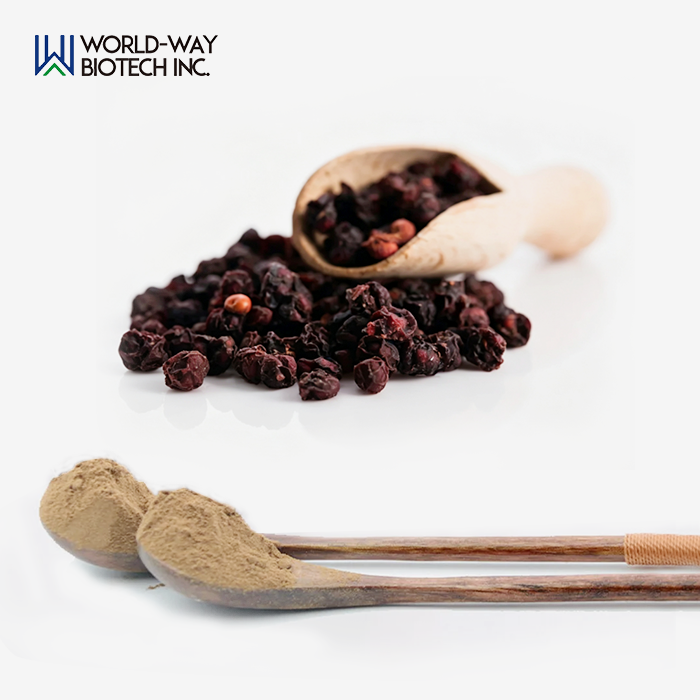
Powder extracts rule the business-to-business market because they are more stable, cost less to ship, and can be used in a variety of ways. The fine, dark burgundy-red powder is easy to mix into capsules, tablets, and powder blends. A moisture level below 5% keeps the product from caking and, when stored properly, extends its shelf life to 24 months.
When it comes to making drinks and some cosmetics that need to spread quickly, liquid extracts are better. But they need refrigeration and devices to keep them fresh, which makes transportation more difficult. The water-ethanol extraction method makes powders that dissolve easily in water and can be reconstituted quickly. This means that the powders often have all the benefits of liquids without the stability problems.
Supplier Qualification and Quality Assurance
When choosing a seller, being careful can help prevent quality problems that can hurt the performance of the final product. Procurement managers should judge producers based on their ability to do vertical integration, their infrastructure for scientific tests, and their certifications. Companies that run their own farm bases have more control over the quality of their raw materials and the reliability of their supplies.
Advanced diagnostic tools, such as HPLC-MS, GC-MS for finding fluid residues, and ICP-MS for heavy metal measurement, show that quality control systems are strong. Third-party exams that check for FSSC22000 and ISO compliance on a regular basis add to the confidence. Before signing a supply deal, make sure you have all the production batch paperwork you need, such as thorough Certificates of Analysis, microbe testing results, and pesticide residue screening reports.
Supply Chain Reliability and Lead Times
Hibiscus Extract sourcing should be evaluated from the outset of product development. When a women's health product comes out, it needs to be able to reliably obtain its ingredients on time for production. It is important to review how potential suppliers handle their goods and what their annual processing capacity looks like. Companies that process more than 3,000 tons of material every year, such as World-Way, demonstrate the scale needed to support growing brands without concerns about allocation constraints.
Standard goods have lead times of 10 days, which allows for flexible buying that works with just-in-time stocking plans. Custom standards requests or biological specs, on the other hand, may make deadlines longer. Set up clear rules for how to talk about things like confirming orders, planning production, and making shipping plans. Offering free samples makes it easier to come up with a first recipe without having to spend money, which lowers the risk of reviewing new sources.
Maximizing Hibiscus Extract's Market Potential in Women's Health Products
Innovative Product Applications
The extract's ability to do more than one thing opens up possibilities in a wide range of product categories. In addition to standard heart medicines, formulators are working on:
Beauty-from-within products support skin health in many ways by mixing the extract with collagen, hyaluronic acid, and vitamin C. It is used in menopause support mixtures with black cohosh, red clover, and soy isoflavones to help with more than one condition. Metabolism-boosting goods that contain Naruhibis®, green tea extract, and chromium to help with weight loss. The natural red color can be used as a clean-label colorant in functional drinks, and it is also good for your heart.
These examples show how strategically placing ingredients can help a product stand out in a crowded market. Hibiscus-based goods are especially popular with health-conscious women aged 35 to 65 who buy brands that stress natural, science-backed ingredients.
Regulatory Compliance Across Global Markets
To do foreign marketing well, you need to know how the rules work in each area. In the US, the extract can be used as a food supplement because it meets FDA rules about identity, purity, strength, and makeup. Kosher and Halal licenses make it easier for people in communities that follow religious food rules to shop at stores.
In the European Union, the ingredient is classified as a traditional food ingredient, but certain health claims need to be backed up by evidence, according to EFSA rules. The regulatory approval process is made easier when qualified providers like World-Way offer complete technical documents such as MSDS, allergen statements, and non-GMO declarations. Halal approval shows that a brand is sensitive to Islamic food law and follows it, which is especially helpful for brands that want to sell in the Middle East and Southeast Asia.
Strategic Sourcing for OEM and Private Label
Contract makers and private label companies need providers that can offer variable MOQs, help with unique formulations, and quick scaling. Being able to standardize extracts to certain anthocyanidin amounts lets you protect your brand and make sure that products work the same way every time they are made.
Set up long-term supply deals that protect prices and give you priority access during times of high demand. When you commit to buying a lot, you can often get better prices and more personalized customer service. Open conversation about where the raw materials come from, how they are extracted, and how they are checked for quality builds trust, which is important for long-lasting relationships. Suppliers who offer recipe advice and legal support are useful beyond their low prices. This is especially true for new brands that don't have a lot of R&D resources in-house.
Conclusion
The Hibiscus Extract sabdariffa has been scientifically proven to have many health benefits, including protecting the heart, keeping the metabolism in check, balancing hormones, and slowing down the aging process of the skin. Its high anthocyanin and flavonoid content give it real medicinal effects that are backed up by clinical studies. Its good safety ratings and regulatory acceptance make it easy to get to markets around the world. Strategic sourcing decisions that focus on standardization, consistency, certification credentials, and supplier reliability are key for procurement professionals, R&D directors, and product developers who want to make new products that meet the growing demand for natural women's health solutions.
FAQ
Is hibiscus extract safe for pregnant women?
Women who are pregnant should talk to their doctors before taking hibiscus pills. It has been shown to be very safe in large groups of people, but not much research has been done on how it affects pregnant women. Some traditional medicine systems say to stay away from concentrated forms while pregnant because of possible hormonal effects, but there isn't a lot of clinical evidence of bad effects yet.
How much should you take every day to get the most health benefits?
In clinical tests that show a drop in blood pressure, 100 to 500 mg of a pure extract with 10 to 20 percent anthocyanidins is usually taken every day. Most market versions give you 250–300 mg per dose, which strikes a good balance between effectiveness and cost. How each person reacts depends on their basic arterial health and any medicines they are taking at the same time.
How does the amount of anthocyanin compare to other plant extracts?
The amount of anthocyanin in hibiscus extract is about the same as in elderberry and bilberry extracts. In some cases, blueberry extracts may have higher total pigment percentages. However, hibiscus is cheaper and has more beneficial chemicals, such as hibiscus acid, that help the metabolism in ways that berry extracts don't.
Can the product affect medicines that are used to treat high blood pressure?
If you take hibiscus vitamins along with blood pressure medicines, they might not work as well together. Women who take prescription blood pressure medicines should keep a close eye on their numbers when they start taking supplements and let their doctors know. This safety measure keeps blood pressure from dropping too low, though recorded cases are still rare in medical writings.
Partner With World-Way for Premium Hibiscus Extract Supply
World-Way Biotech delivers pharmaceutical-grade Hibiscus Extract standardized to 10-20% anthocyanidins and 30% hibiscus acid, manufactured under ISO9001 and FSSC22000 certified facilities, ensuring uncompromising quality for women's health applications. Our vertically integrated supply chain spanning 67 million square meters of owned plantations through advanced extraction infrastructure guarantees consistent availability and competitive pricing. As a trusted hibiscus extract supplier since 1992, we provide comprehensive technical documentation, free samples, and 10-day lead times supporting rapid product development cycles. Contact our team at info@world-way.net to discuss customized standardization requirements, bulk procurement pricing, and formulation support that accelerates your women's health product innovations with scientifically validated natural ingredients.
References
1. Hopkins AL, Lamm MG, Funk JL, Ritenbaugh C. Hibiscus sabdariffa L. in the treatment of hypertension and hyperlipidemia: a comprehensive review of animal and human studies. Fitoterapia. 2013;85:84-94.
2. Mozaffari-Khosravi H, Jalali-Khanabadi BA, Afkhami-Ardekani M, Fatehi F. Effects of sour tea (Hibiscus sabdariffa) on lipid profile and lipoproteins in patients with type II diabetes. Journal of Alternative and Complementary Medicine. 2009;15(8):899-903.
3. Herranz-López M, Olivares-Vicente M, Encinar JA, Barrajón-Catalán E, Segura-Carretero A, Joven J, Micol V. Multi-targeted molecular effects of Hibiscus sabdariffa polyphenols: An opportunity for a global approach to obesity. Nutrients. 2017;9(8):907.
4. Frank T, Janssen M, Netzel M, Strass G, Kler A, Kriesl E, Bitsch I. Pharmacokinetics of anthocyanidin-3-glycosides following consumption of Hibiscus sabdariffa L. extract. Journal of Clinical Pharmacology. 2005;45(2):203-210.
5. Peng CH, Chyau CC, Chan KC, Chan TH, Wang CJ, Huang CN. Hibiscus sabdariffa polyphenolic extract inhibits hyperglycemia, hyperlipidemia, and glycation-oxidative stress while improving insulin resistance. Journal of Agricultural and Food Chemistry. 2011;59(18):9901-9909.
6. Serban C, Sahebkar A, Ursoniu S, Andrica F, Banach M. Effect of sour tea (Hibiscus sabdariffa L.) on arterial hypertension: a systematic review and meta-analysis of randomized controlled trials. Journal of Hypertension. 2015;33(6):1119-1127.
Standard Disclaimer (DSHEA):
These statements have not been evaluated by the Food and Drug Administration.
This product is not intended to diagnose, treat, cure, or prevent any disease.

Send Inquiry