
Melilotus Extract Provides Botanical Ingredient Options for Specialty Formulations and Natural Product Development
Oct 13, 2026
Melilotus extract, derived from Melilotus officinalis (L.) Pall., is gaining real traction among R&D teams and procurement managers sourcing evidence-based botanical ingredients. Standardized to coumarin ≥1% (HPLC), this greenish-brown fine powder delivers measurable venotonic, anti-edema, and anti-inflammatory activity through a synergistic profile of coumarins, flavonoids, and triterpenoid saponins. As consumer demand for natural circulatory health solutions rises in North America and Europe, yellow sweet clover extract offers formulators a scientifically grounded, cost-competitive alternative worth serious evaluation.

Understanding Melilotus Extract and Its Botanical Properties
Botanical Origin and Chemical Profile
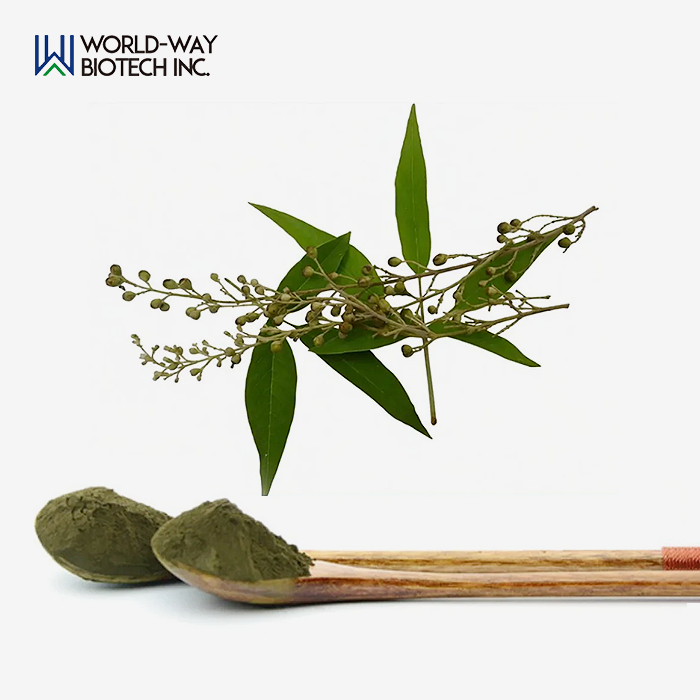
The Fabaceae family includes Melilotus officinalis, which is also known as yellow sweet clover. World-Way gets the whole herb to extract it, which makes a standard ingredient with a lot of phytochemicals. Natural coumarin chemicals (melilotoside, dicoumarol intermediates), flavonoids, and triterpenoid saponins are the main active ingredients. Together, these chemicals help the lymphatic and circulatory systems work. The end extract is a fine greenish-brown powder that passes through an 80-mesh screen 95% of the time. It has less than 5.0% moisture and less than 5.0% ash, so it can be used in pills, capsules, and topical gels.
Documented Health Benefits
Peer-reviewed research shows that coumarin-rich plant extracts from M. officinalis boost the activity of macrophages that break down proteins. This helps break down protein-rich interstitial fluid, which is what causes chronic edema in the first place. Unlike most diuretics, sweet clover extract works on tissue blockage instead of just getting rid of water. Clinical data also suggests that the ingredient may have mild pain-relieving and antioxidant properties. This means that it can be used in more vein health supplements, products for recovering from surgery, and topical anti-swelling formulas.
Safety, Dosage, and Compliance Considerations
Dicoumarol content is a key safety factor that sets this botanical ingredient apart. Naturally occurring coumarin does not pose an anticoagulant risk; the risk comes up only when plant material is dried or processed incorrectly, and dicoumarol is produced. World-Way controls and keeps an eye on the dicoumarol limits by using HPLC measurement on every batch. In clinical settings, standardized extracts that give 7–30 mg of coumarin every day are used to treat chronic venous insufficiency (CVI). The extract is certified as ISO9001, FSSC22000, Kosher, and Halal, which means it meets the dietary and legal standards of major global markets.

Melilotus Extract in Specialty Formulations — Applications and Advantages
Targeted Applications in Circulatory and Venous Health
Yellow sweet clover powder is mostly used to make Melilotus Extract venous health products and medicines that reduce swelling. Its venotonic properties make the walls of veins stronger and encourage lymphatic return, which makes it a popular botanical for products that treat chronic venous insufficiency. Topical gels and creams can use it because it helps reduce swelling and stays stable between pH 4.5 and 6.5, which also protects the flavonoid fraction that is present. Manufacturers in the clinical stage have put this extract into systems that are taken by mouth or put on the skin, and the results have been the same in both cases.
Comparison with Other Herbal Circulatory Ingredients
Most of the time, horse chestnut extract (escin) is used as a standard. Both work on venous insufficiency, but M. officinalis extract has specific benefits for formulation:
Here are the core differentiators compared to horse chestnut:
- Broader mechanism of action: Coumarin from yellow sweet clover directly increases the activity of lymphatic macrophages, which directly treats protein-rich swelling at the tissue level—a mechanism not replicated by escin alone.
- Greater pH flexibility: Topical formulations can work with a wider pH range, which lowers the cost of reformulating.
- Lower sensitization risk: Horse chestnut is known to cause skin sensitization problems, but M. officinalis extracts at standardized concentrations don't.
Because of these things, yellow sweet clover extract is a functionally unique botanical choice for formulators who need to use a single ingredient to treat lymphatic congestion and venous tone.
Form Factor Options and Manufacturing Implications
World-Way offers this extract in three main types: ratio extracts (5:1, 10:1), standardized coumarin powder (coumarin ≥1%), and fine powder that dissolves in water for use in liquids. The 25 kg/drum packaging can be used for both small-scale tests and full production runs. The 10-day wait time and free samples make it possible for R&D teams to test for stability and compatibility before signing large contracts, which is helpful for quick product launches.
Selecting Quality Melilotus Extract for B2B Procurement
Critical Quality Metrics to Verify
Before approving any sweet clover extract supplier, professional purchasing teams should ask for proof of five important quality factors:
- Coumarin assay: It was HPLC-verified that the coumarin assay worked as expected to prove its medicinal effectiveness.
- Dicoumarol limit test: The dicoumarol limit test confirms that there are no harmful anticoagulant leftovers that were created when the raw material was dried incorrectly.
- Heavy metal screening: ICP-MS testing against USP/EP standards for lead, arsenic, cadmium, and mercury as part of heavy metal screening.
- Solvent residue analysis: GC confirmation that ethanol and other extraction solvents are safe.
- Microbiological purity: To make sure the microbes are pure, they are tested for yeast, mold, E. coli, and pathogens using global food and drug safety standards.
It is common to ask for a full Certificate of Analysis (COA) and MSDS for Melilotus Extract before making a buy. The company World-Way also offers regulatory dossiers, non-GMO declarations, and allergen statements to help with market access filings in the US, EU, and other regulated markets.
Certifications That Matter for Global Distribution
Product approvals directly affect how quickly a product can get to market. Melilotus Extract from World-Way has been certified by ISO9001 and FSSC22000 for quality and food safety management. It is also Kosher and Halal for the dietary market. Some products in the World-Way portfolio have USDA Organic and EU Organic certifications for buyers who want to sell natural products in the US. These qualifications shorten the time it takes to get a product on the market for buyers who care a lot about compliance and would normally do their own source checks before giving approval.
OEM, Private Label, and Bulk Purchasing Options
World-Way helps OEM and private label clients come up with new products by giving them flexible extraction parameters, custom standardization levels, and help with formulating. When you buy in bulk in 25 kg/drum units, you can use them for both yearly contracts and one-time purchases. The fully integrated plantation-to-production supply chain includes over 67 hectares of owned cultivation grounds and a factory that can process more than 3,000 tons of raw material every year. This ensures a steady supply all year long at prices that represent true vertical integration instead of trade margin markups.
Case Studies and Industry Insights on Melilotus Extract Usage
Real-World Performance in Venous Health Products
European supplement companies have put standardized M. officinalis material into edible capsules that are meant to target CVI and contain 7–15 mg of coumarin per daily dose. According to user comments from clinical studies, leg pain and swelling go down within 4 to 8 weeks, which is in line with the mechanistic data on lymphatic proteolysis stimulation. These results back up buyers' decisions to buy in the growing EU vascular health supplement category. This category is still growing because older people in Germany, France, and Italy are looking for non-drug ways to improve their health.
Skincare and Topical Anti-Inflammatory Applications
North American beauty companies have tried topical formulas with 0.5–2% yellow sweet clover extract for claims that it can help skin recover from surgery and reduce puffiness. The flavonoid part adds antioxidant activity that works with the coumarin component to help reduce swelling. According to the stability data, the product will still work properly for 24 months if it is kept in a cool, dry, closed place, which is the same as World-Way's claimed shelf life.
Market Trends Supporting Increased Demand
In 2023, the global market for botanical extracts was worth more than USD 6 billion (Grand View Research, 2024); ingredients that help with circulation and pain were two of the fastest-growing subcategories. Clean-label, clinically backed plant-based actives that support venous and lymphatic health claims are in high demand in North America and Europe. This makes Melilotus Extract a good choice for formulators who are making the next generation of natural products to help with vein health and swelling.

How to Ensure Long-Term Success with Melilotus Extract in Product Development?
Formulation Stability and Compatibility Best Practices
For coumarin-standardized extracts, stability testing should include real-time studies and conditions that speed up aging (40°C/75% RH for 6 months). Keeping the phenolic chemicals dry and storing them in airtight cases stops them from oxidizing. Keeping the pH between 4.5 and 6.5 protects the flavonoid fraction and keeps the coumarin active whole when used topically. Before finalizing formulation specs, it is suggested that compatibility tests be done with common excipients like microcrystalline cellulose, magnesium stearate, and common emulsifiers.
Customizing Concentrations for Targeted Outcomes
Along with the coumarin ≥1% normal grade, World-Way offers ratio extracts (5:1, 10:1). This lets R&D teams choose the right level of potency for their goal indication. Higher-ratio extracts work well in concentrated capsules, and the standardized powder mixes easily into skin creams and functional drinks. By working directly with World-Way's 42-person research and development team, which is led by doctoral advisors and researchers whose work has been published in top journals, procurement clients can get application-specific advice that cuts down on development time.
Strategic Supplier Partnerships for Sustained Supply
A provider with real control over the raw materials is needed for long-term supply stability. World-Way is in charge of more than 67 hectares of plantation bases, inspects all raw materials as they come in, and keeps a standard lead time of 10 days. QA managers can get all the paperwork they need for regulatory submissions and shelf-life claims through annual procurement contracts that include set schedules for batch testing and retained sample programs. Brands that want to have their own unique place in the botanical ingredients space can work with us on a private label partnership.

Conclusion
Melilotus Extract fills a clear need in the market for botanical ingredients. This need is supported by well-known mechanisms, growing clinical proof, and rising customer desire for natural goods that help with vein and lymphatic health. The most important things for business-to-business buyers about the ingredient are that it has verified bioactives, a stable supply chain, flexible forms, and well-known certificates. With responsive technical support and a buying and production model that is fully integrated, World-Way is a good choice for brands that need to make unique formulations that work in regulated global markets.
FAQ
What is the standard specification for World-Way Melilotus extract?
At World-Way, we offer M. officinalis extract that is standardized to coumarin ≥1% (checked by HPLC), has moisture ≤5.0%, ash ≤5.0%, and 95% passing through 80 mesh. The product comes in 25 kg/drums and dissolves in water. You can get free samples, but they usually take 10 days to arrive.
Does this extract have anticoagulant effects like warfarin?
The natural coumarin in the Melilotus Extract product does not stop blood from clotting. The danger comes from dicoumarol, which only forms when things aren't dried or processed properly. World-Way controls the amount of dicoumarol that can be made by testing every batch of output with HPLC.
What certifications does this botanical ingredient hold?
The item is certified as ISO9001, FSSC22000, Kosher, and Halal. For regulatory submissions, full technical paperwork is provided upon request. This includes COA, MSDS, non-GMO declarations, and allergen statements.
What formats and extract ratios are available?
World-Way sells standardized coumarin powder and ratio extracts (5:1 and 10:1). Through the OEM/private label program, you can get custom extraction parameters and standardization levels.
What are the recommended storage conditions and shelf life?
Keep in a cool, dry place in containers that keep air out. Keep away from direct light and water. When kept this way, the shelf life is 24 months.
Partner with World-Way for Your Melilotus Extract Supply
Since 1992, world-way biotech inc. has sold plant products to more than 500 businesses in more than 60 countries. As a reliable Melilotus Extract producer with its own planting bases, FSSC22000 and ISO9001 certification, and a 42-person R&D team, World-Way makes sure that the quality of all of its products, from the raw materials to the finished products, is always the same. Get your free sample or group price right now. To get in touch with our tech team, email us at info@world-way.net or go to worldwaybio.com.
References
1. Casley-Smith, J. R., & Casley-Smith, J. R. (1992). Modern Treatment of Lymphoedema. Lymphology.
2. Felter, H. W., & Lloyd, J. U. (1898). King's American Dispensatory. Ohio Valley Company.
3. Grand View Research. (2024). Botanical Extracts Market Size, Share & Trends Analysis Report. Grand View Research.
4. Rotschke, B., & Wiedemann, B. (2001). Coumarin in Melilotus officinalis: Pharmacological Activity and Safety Review. Phytomedicine.
5. Pittler, M. H., & Ernst, E. (2004). Horse chestnut seed extract for chronic venous insufficiency. Cochrane Database of Systematic Reviews.
6. Mills, S., & Bone, K. (2000). Principles and Practice of Phytotherapy: Modern Herbal Medicine. Churchill Livingstone.
Standard Disclaimer (DSHEA):
These statements have not been evaluated by the Food and Drug Administration.
This product is not intended to diagnose, treat, cure, or prevent any disease.

Send Inquiry
Related Industry Knowledge
- Can Astragalus Extract Support Antioxidant and Skin-Conditioning Cosmetic Formulations?
- Embrace the Healing Power of Organic Aloe Vera Leaf Powder
- Apple Extract: A Natural Remedy for Hair Loss?
- 6 Benefits of Schisandra Extract Powder
- Melilotus Extract Provides Botanical Ingredient Options for Specialty Formulations and Natural Product Development
- What Product Applications Can Corn Leaf Extract Enhance in Food and Botanical Industries?
- Coffee Extract Creates Versatile Flavor and Aroma Solutions for Beverage, Bakery, and Food Product Development
- Black Elderberry Extract Provides Botanical Flavor Solutions for Functional Beverage and Food Applications
- What Should Buyers Check When Sourcing Black Elderberry Extract in Bulk?
- Does Schisandra Extract Powder Have Benefits?